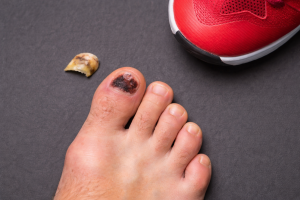
Detached toenail next to the foot showing a bruised, healing nail bed after injury
Experiencing a toenail falling off can be concerning and, at times, painful. Understanding the reasons behind this condition and how to care for your toes is crucial for maintaining foot health. Whether caused by an injury, infection, or underlying medical conditions, timely evaluation and treatment can help restore your nails and prevent further issues.
Common Causes of Toenail Loss
There are several reasons why toenails may fall off. Identifying the cause is essential for effective treatment. Some common causes include:
Trauma or Injury: One of the most common reasons for a toenail to fall off is physical trauma. Stubbed toes, dropping heavy objects, or sports injuries can cause the nail to detach. According to the Mayo Clinic, trauma often leads to subungual hematomas, which occur when blood collects under the nail.
Fungal Infections:Fungal infections can also lead to toenail loss. Conditions such as onychomycosis cause nails to become discolored, thick, or brittle. When left untreated, the nail may eventually fall off. According to the American Podiatric Medical Association (APMA), these infections are more common in individuals who frequently use communal showers or engage in activities where feet are wet.
Ingrown Toenails: An ingrown toenail occurs when the edge of the nail grows into the surrounding skin, causing pain and potential infection. Severe cases can lead to nail loss, as noted by NIH.
Underlying Medical Conditions: Certain health conditions, such as psoriasis and diabetes, can affect nail health. Psoriasis, for instance, might cause the nails to separate from the nail bed, leading to loss.
Poor Circulation: Diabetes and peripheral vascular disease can lead to poor circulation, affecting the nail’s health and growth. It’s vital for individuals with these conditions to monitor their feet regularly to detect potential problems early.
Allergic Reactions: Occasionally, allergic reactions to nail products or footwear can cause nails to weaken, making them more prone to falling off.
Symptoms and Signs of Toenail Loss
Recognizing the early symptoms can aid in prompt treatment. Some signs accompanying toenail loss include:
Pain and Tenderness: You might notice pain in the area of the affected nail, especially if it is caused by an injury.
Color Changes: Discoloration of the nail can signal various issues, including infections and injuries.
Swelling or Redness: The surrounding skin may become swollen or red, indicating possible infection.
Separation from the Nail Bed: If you observe your toenail slowly lifting away from the nail bed, it could be a sign that it might fall off.
When to Seek Medical Attention
If your toenail falls off, it’s essential to consult a podiatrist, especially if you experience the following:
Increased pain or swelling
Fever or chills, which may indicate an infection
Visible signs of infection, such as pus or an unusual odor
Frequent occurrences of toenails falling off
Underlying health conditions that may complicate healing
In these cases, an examination by a professional can help determine the underlying cause and appropriate treatment. According to the American Orthopaedic Foot & Ankle Society, timely medical intervention can also prevent complications.
Home Remedies and Care
While professional care is crucial, some home remedies can help manage the symptoms and promote healing:
Keep the Area Clean: Clean the toe with mild soap and water, then gently pat it dry.
Bandage It Up: Protect the toe by covering it with a sterile bandage, keeping it clean and safe from further injury.
Over-the-Counter Pain Relief: Use pain relievers such as ibuprofen or acetaminophen to manage discomfort.
Antibiotic Ointment: If a fungal or bacterial infection is suspected, applying an over-the-counter antibiotic ointment may help.
Avoid Tight Shoes: Wearing loose-fitting shoes can prevent additional trauma to the affected area and promote healing.
Prevention Tips
Taking preventative measures can help mitigate the risk of toenails falling off in the future:
Proper Foot Hygiene: Regularly wash and dry your feet to prevent fungal infections.
Wear Comfortable Footwear: Properly fitting shoes reduce the risk of trauma and ingrown toenails.
Monitor Health Conditions: Keep any underlying conditions, like diabetes, well-managed to promote overall foot health.
Use Nail Care Products Wisely: Avoid harsh chemicals and use nail polish removers that are gentle on the nails.
Consult a Podiatrist Regularly: Regular check-ups can identify potential nail problems before they escalate.
Conclusion
A toenail falling off can cause concern, but understanding the reasons, symptoms, and methods of care can help you manage the situation effectively. If you find yourself in such a situation, especially in Houston or Cypress, it’s vital to consult a podiatrist for further evaluation and treatment. Your foot health matters, and early intervention can make a significant difference. Don’t let toenail issues keep you from stepping out in confidence – contact us today!
Don’t let foot or ankle pain slow you down. Our podiatry team proudly serves patients in Houston and Cypress, TX. Call (832) 415-1790 or book online at www.denielfootandanklecenter.com.