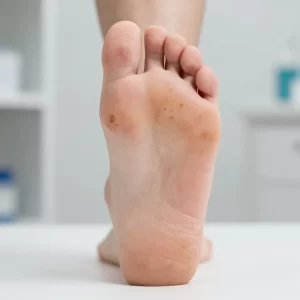
Brown spots on the bottom of your feet may be benign or serious.
Brown spots on the bottom of the feet can be worrisome for many individuals. While they are often benign and arise from common conditions like age spots or bruises, some may indicate more serious issues. Understanding the causes, symptoms, and treatment options for brown spots on the bottom of your feet is essential for maintaining optimal foot health.
What Causes Brown Spots on the Bottom of the Feet?
Several factors can lead to the appearance of brown spots on the soles of your feet. Here are some of the most common:
Age Spots: Also known as liver spots, these are caused by prolonged exposure to sunlight and are common in older adults. They often appear as flat brown spots and are typically harmless [Mayo Clinic].
Melanocytic Nevi: These are moles that can appear anywhere on the body, including the feet. They can be flat or raised and vary in color.
Hyperpigmentation: This occurs when certain areas of the skin produce more melanin, often due to hormonal changes, inflammation, or injury.
Fungal Infections: Conditions like athlete’s foot can lead to brown spots due to skin damage or discoloration.
Skin Cancer: More rarely, brown spots may indicate a form of skin cancer such as melanoma. Regular monitoring and consultation with a dermatologist are vital for early detection.
Identifying the Symptoms
Understanding the symptoms associated with brown spots on the bottom of the feet can help in obtaining an accurate diagnosis:
Color: The shade of the spots can vary from light brown to very dark. Understanding the changes in color can provide insights into their origins.
Shape and Size: Irregularly shaped or asymmetrical spots warrant attention, particularly if they grow over time [AOFAS].
Itching or Pain: If the brown spots are accompanied by itching, pain, or any other unusual sensations, it is advisable to seek medical evaluation.
When to See a Doctor
While many brown spots on the feet are harmless, certain situations require professional medical evaluation:
Changes in Appearance: If you notice any changes in the shape, size, or color of a brown spot, it is essential to see a dermatologist.
Persistent Symptoms: Brown spots that are itchy, painful, or bleed should not be ignored [Cleveland Clinic].
Family History: If there is a family history of skin cancer, increased vigilance is necessary.
Physical Examination: A thorough visual examination will help assess the characteristics and potentially identify the cause.
Dermatoscopy: This non-invasive technique allows for a more detailed view of the skin lesions.
Biopsy: If there’s suspicion of a more serious condition, a small tissue sample may be taken for laboratory analysis to rule out skin cancer.
Treatment Options
Treatment will depend on the underlying cause of the brown spots on the soles of your feet:
Observation: If the spots are diagnosed as benign, no treatment may be needed beyond regular monitoring.
Topical Creams: For issues like pigmentation, dermatologists may recommend creams containing hydroquinone or retinoids to lighten the spots.
Laser Treatment: For cosmetic concerns, laser therapy can effectively reduce the prominence of brown spots [NIH].
Removal: In cases where skin cancer is suspected, surgical removal of the lesion may be necessary.
Prevention Tips
Preventing the appearance of brown spots on the feet involves several proactive strategies:
Sun Protection: Use sunscreen on your feet, especially when wearing sandals, to prevent sun-induced pigmentation.
Regular Skin Check-ups: Schedule regular appointments with a dermatologist for full-body skin checks, especially if you have a history of skin issues.
Foot Hygiene: Keeping your feet clean and dry can prevent fungal infections that may lead to brown spots.
Healthy Lifestyle: Maintaining overall skin health through a balanced diet, adequate hydration, and avoiding smoking can also be beneficial.
In summary, brown spots on the bottom of the feet can arise from various factors ranging from benign conditions to more serious issues. Understanding the causes, symptoms, and treatment options is crucial for maintaining foot health. If you notice any concerning changes, contact your healthcare provider for further evaluation and guidance.
Whether you’re dealing with ongoing discomfort or a new foot concern, our Houston and Cypress podiatrists offer personalized treatment plans tailored to your needs. Call (832) 415-1790 or visit our clinic website.