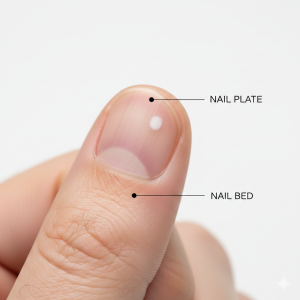
fingernail showing a small white spot (leukonychia) on the nail plate
Noticing a white spot on your fingernail can be concerning, but it often doesn’t indicate anything serious. In this article, we will explore the potential causes, treatments, and necessary precautions related to this common occurrence. Understanding what may lead to the appearance of white spots can help you identify when to seek further medical attention and when a little TLC for your nails will suffice.
Common Causes of White Spots on Fingernails
White spots, also called leukonychia, can originate from various factors. Some of the primary causes include:
Injury to the Nail: A common cause of white spots is trauma to the nail bed, which can occur when you hit your finger or press too hard while performing tasks. This type of injury may create a small white spot that grows out with the nail (Mayo Clinic).
Allergic Reactions: Sometimes, a reaction to nail polish or nail polish removers can result in white spots. The ingredients in some cosmetic products can provoke contact dermatitis, leading to discoloration of the nails.
Fungal Infections: Fungi can cause changes in nail color and texture. Fungal infections often lead to a yellow or white discoloration. It is important to monitor the nail for any additional symptoms, such as crumbling or pain (Cleveland Clinic).
Vitamin Deficiencies: Deficiencies in vitamins or minerals, particularly zinc and calcium, can lead to the appearance of white spots. Ensuring you have a well-balanced diet is essential for optimal nail health.
Medical Conditions Associated with White Spots
While many cases of white spots on nails stem from benign causes, several underlying medical conditions could also be at play:
Psoriasis: This skin condition can affect the nails, causing them to become pitted, discolored, or develop white spots. Psoriasis occurs when skin cells multiply rapidly, leading to thickened, often painful areas of skin (APMA).
Eczema: Eczematous changes can also manifest in the nails, leading to alterations in color and texture. People with eczema may find their nails prone to white spots due to inflammation.
Systemic Illnesses: Chronic illnesses such as liver or kidney disease can affect nail health and quality. White spots may be indicative of underlying systemic problems; if you notice other symptoms, consult a healthcare provider.
When Should You See a Doctor?
In most cases, white spots on nails represent a harmless inconvenience. However, it’s crucial to monitor changes. You should schedule an appointment with a healthcare professional if:
The white spots are accompanied by pain, swelling, or an unusual shape of the nail.
The spots persist over time and do not grow out with the nail.
You notice significant discoloration, changes in nail texture, or multiple nails affected.
Consulting a podiatrist can provide clarity on your symptoms and the best course of action for treatment.
Prevention and Management
To maintain healthy nails and potentially prevent the formation of white spots, consider the following:
Protect Your Nails: When performing tasks that could injure your nails, wear gloves to prevent trauma.
Opt for Gentle Nail Products: Consider using nail polishes and removers labeled as ‘gentle’ or ‘free of harsh chemicals’ to minimize the risk of allergic reactions.
Maintain a Healthy Diet: Ensure your diet is rich in vitamins and minerals essential for nail health. Take special note of zinc and calcium intake.
Stay Hydrated: Dehydration can affect nail quality, so drink plenty of water to help keep nails strong.
Treatment Options for White Spots
If you have white spots on your fingernails, here are some solutions to consider:
Topical Treatments: If a 21 is suspected, antifungal treatments may be necessary. Consult your healthcare provider for appropriate medication.
Dietary Supplements: Increasing your intake of zinc or calcium through food or supplements can help improve nail health and appearance.
Moisturize: Regularly applying moisturizer to your hands and nails can help keep them hydrated and reduce brittleness.
Remember, it’s always wise to address persistent changes in your nails with a professional.
Conclusion
In summary, while a white spot on the fingernail often indicates a minor issue such as trauma or a cosmetic reaction, it can sometimes point to more serious conditions. By understanding the causes and appropriate management strategies, you can better maintain the health and appearance of your nails. If you have any concerns about the state of your nails, don’t hesitate to reach out to a healthcare professional.
For compassionate care and expert advice on nail health, visit our clinic in Houston or Cypress. Call us today or book an appointment online to ensure your nails are healthy and happy!
If you’re experiencing persistent foot or ankle pain in Houston or Cypress, TX, our specialists are here to help. Contact us at (832) 415-1790 or visit our website to book a visit.



Comments
[…] White Spots on Fingernails: Causes, Treatment & When to See a Doctor […]
Comments are closed.