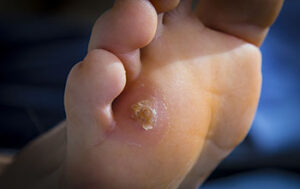
Foot corns result from physical stress on the skin
Corns are a common foot ailment that can cause discomfort and pain if left untreated. They typically form on areas of the foot that experience excessive friction or pressure, often due to ill-fitting shoes or abnormal foot mechanics. Understanding how to remove corns on the foot not only alleviates discomfort but also helps prevent future occurrences. This guide provides a comprehensive overview of corns, their causes, and effective removal methods.
What Are Corns?
Corns are small, thickened areas of skin that develop on the foot. They are usually characterized by a hard center surrounded by inflamed skin. Corns often form on the tops or sides of toes, as well as the soles of the feet, particularly on bony areas that experience friction. According to the American Podiatric Medical Association, corns can vary in size and shape, but they typically present as painful bumps that can affect daily activities.
Causes of Corns
Understanding the underlying causes of corns is crucial for effective treatment. Corns generally form due to:
Ill-Fitting Footwear: Shoes that are too tight, too loose, or have inadequate cushioning can cause friction on the foot.
Foot Deformities: Conditions such as bunions, hammertoes, or high arches can alter the foot’s natural alignment, leading to increased pressure on specific areas.
Repetitive Activities: Certain sports or occupations that involve repetitive foot movements can also contribute to the development of corns.
By addressing these factors, individuals can reduce their risk of developing corns and improve their overall foot health.
Prevention of Corns
The best way to deal with corns is to prevent them from forming in the first place. Here are some effective strategies:
Choose Proper Footwear: Always wear shoes that fit well and provide adequate support. Consider visiting a specialty store to find shoes that suit your foot shape.
Use Protective Padding: If you’re prone to corns in certain areas, using protective pads or corn cushioning products can help reduce friction.
Maintain Foot Hygiene: Keep your feet clean and dry to prevent skin irritation. Regularly moisturizing your feet can help soften thickened skin and reduce the risk of corn formation.
By incorporating these preventative measures into your daily routine, you can significantly decrease your chances of developing corns.
How to Remove Corns on Foot
If you already have corns, there are several methods to effectively remove them:
Soaking and Pumice Stone: Soaking your feet in warm, soapy water for 10-15 minutes can soften the corn. After soaking, gently rub the corn with a pumice stone to remove the thickened skin. Model this technique after Mayo Clinic’s recommendations for foot care.
Over-the-Counter Treatments: There are numerous topical treatments available at pharmacies that can assist in corn removal. Look for products containing salicylic acid, which can help dissolve the thickened skin. However, be cautious as these products should not be applied on broken or infected skin.
Foot Pads and Cushions: Applying cushioned pads around the corn can relieve pressure and allow the corn to heal. This provides immediate relief while promoting the natural shedding of dead skin.
Professional Treatment: If corns are painful or persistent, it may be time to visit a podiatrist. Professional treatment options include cryotherapy (freezing off the corn), complete removal, or addressing foot deformities that contribute to the problem. The Cleveland Clinic emphasizes the importance of consulting with a foot specialist for persisting foot issues.
It’s essential to note that attempting to cut or shave a corn can lead to infection, so it’s best left to professionals.
When to See a Doctor
While many corns can be managed at home, there are situations when consulting a physician becomes necessary. Seek medical attention if:
The corn shows signs of infection, such as increased redness or discharge.
You experience persistent pain that interferes with daily activities.
You have diabetes or other conditions that affect your foot health, as corns can lead to serious complications.
The National Institutes of Health provides essential guidelines on when to seek medical advice regarding foot-related problems.
Conclusion
Understanding how to remove corns on the foot is essential for maintaining foot health and comfort. By implementing preventative measures, practicing proper foot hygiene, and knowing the right treatment options, you can manage corns effectively. If you’re struggling with persistent corns or foot pain, don’t hesitate to reach out to our Houston clinic for expert care. Your foot health is our priority!
For patients in Houston and Cypress, TX, our Foot and ankle specialist provides compassionate, evidence-based care to relieve pain and restore comfort. Call us today at (832) 415-1790 or visit www.denielfootandanklecenter.com to schedule your appointment.



Comments
[…] How to Remove Corns on Foot | Houston Podiatry Clinic […]
Comments are closed.