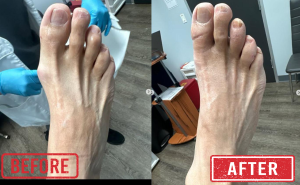
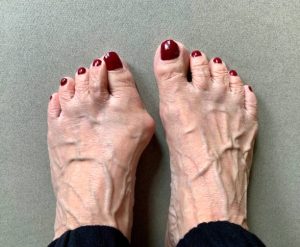
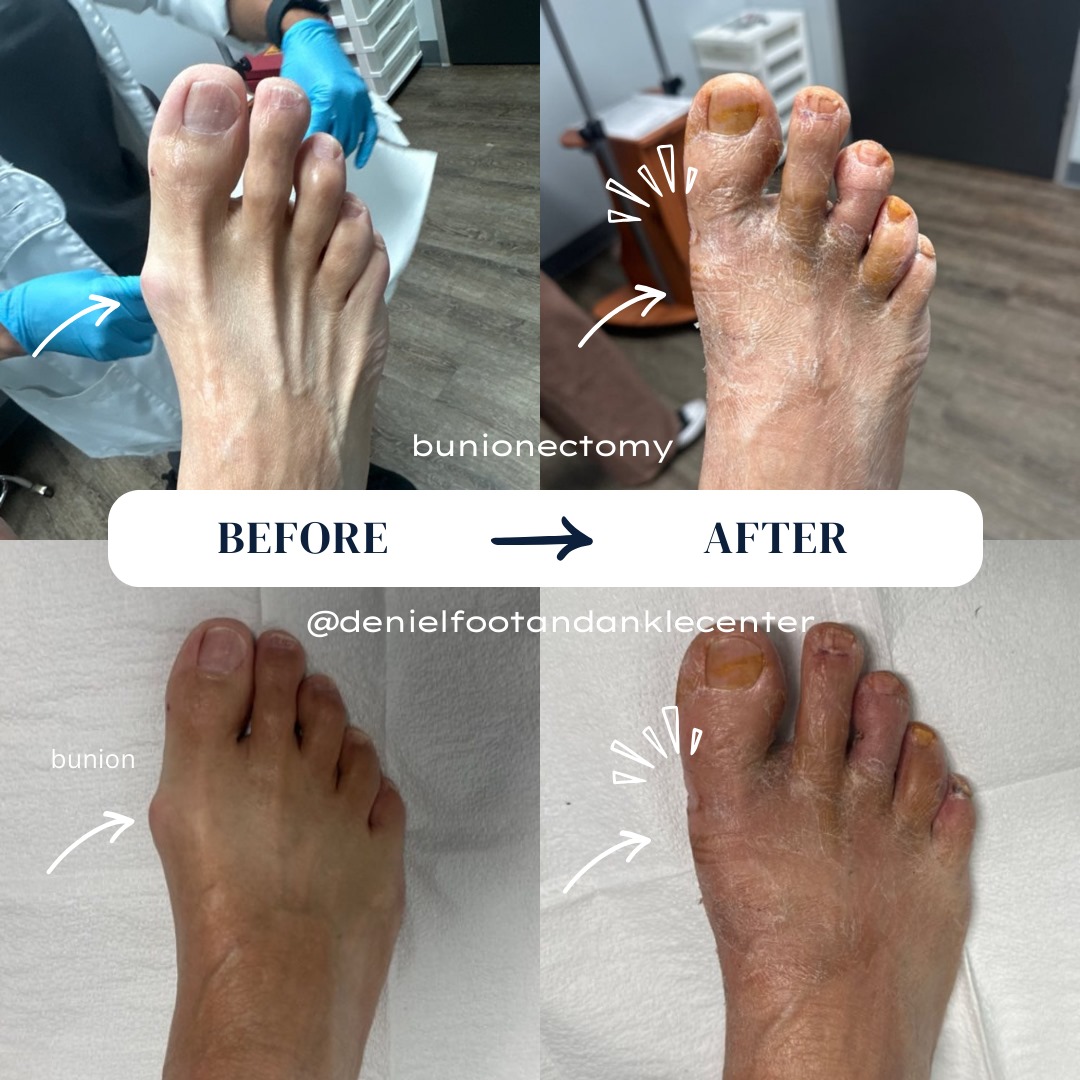
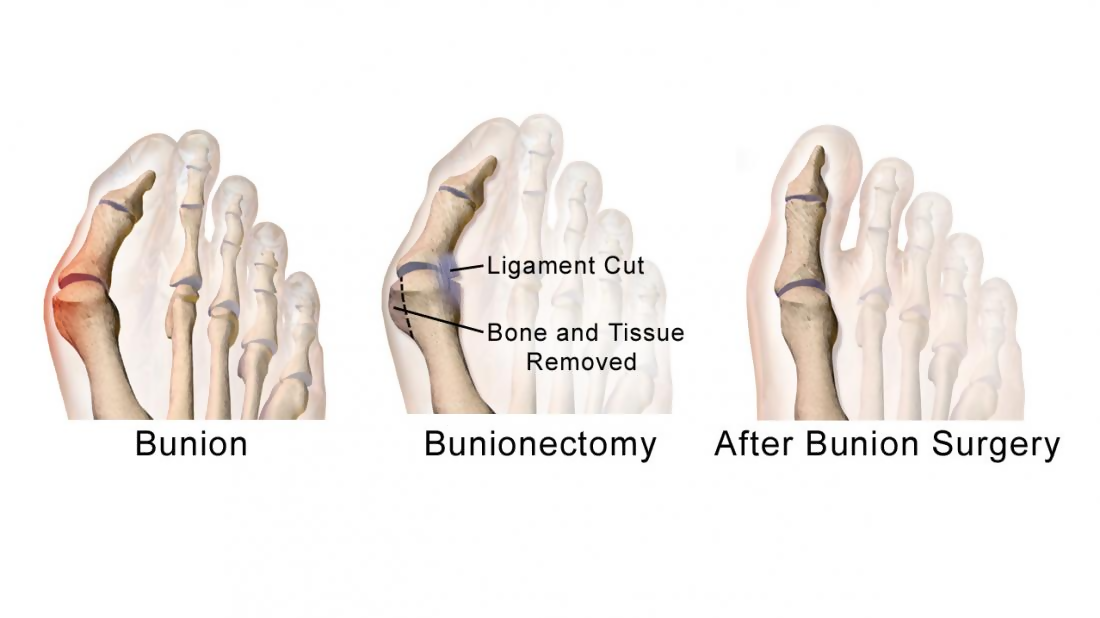
Before and after shots of Minimal Invasive Bunion Surgery
Are painful bunions disrupting your life? If so, there’s a revolutionary solution that can help: minimally invasive bunion surgery. This advanced surgical method offers a chance to alleviate discomfort and restore your mobility, all while minimizing the physical and emotional toll of traditional procedures. Say goodbye to bunion pain and take a step toward a more confident, pain-free life.
are a common foot condition that even celebrities struggle with. From red carpets to athletic arenas, many individuals suffer from bunions that not only cause physical discomfort but can also lead to a lack of confidence. Whether it’s the visible appearance or the pain when walking, bunions can affect anyone. In fact,
some of the most well-known faces have had to deal with this condition. This article will discuss how bunions can impact confidence, highlight examples of celebrities with bunions, and explore treatment options, including how they can be fixed.
Bunions are bumps that occur around the joint of your big or small toe. They are, however, bones that grow outward and change direction. Additionally, this development can create swelling in your soft tissue, which is why some bunions appear red and irritated.
A bunion, usually a bony bump, that forms on the joint of the big toe. It means that some bones at the front of the foot have moved out of place, causing the big toe to pull towards the smaller toes, forcing the joint to stick out. The area around the joint is red and sore. The most obvious symptom of a bunion is a bulging lump at the joint of the toe. Avoid bunion surgery by seeking solutions immediately you notice bunion symptoms.
Causes of bunions
The exact cause of bunions is not known, but other likely reasons are
Foot deformities at birth.
Inherited foot type.
Foot injuries and stresses.
Some bunions have been linked to inflammatory rheumatoid arthritis.
Tight or too-narrow shoes or high-heeled shoes cause bunions though some experts disagree with this.
Other factors that increase the risk of developing bunions are:
Wearing high heels is believed to be the number one risk factor. High heels force the toes to the front of the shoes causing the toes to cramp.
Wearing too narrow or tight shoes, likely pointed, cause bunions due to pressure on the toes cramped together.
The tendency to develop bunions might be a result of inherited anatomy or structure of the foot.
If you have an underlying condition, such as rheumatoid arthritis, it likely favors the development of bunions.
Adolescents, especially girls, are likely to get bunions. It is not known why, but doctors suspect the constant need to change footwear around this age as a contributing factor. However, bunions in adolescents and young people have not been linked to any underlying health condition.
Bunionette forms at the little toe’s joint, often known as a tailor’s bunion, is caused by the pressure put on the side of the foot. It often happens due to sitting cross-legged for long hours, putting pressure on the side of the foot leading to bunions near the pinky toes.
Unless you seek bunion treatment Houston, bunions are permanent. However, several measures will make you comfortable and slow bunion progression. Some measures include
Maintain a healthy weight that does not put pressure on your feet.
Buy the gel-filled pad or moleskin from a drugstore for the protection of the bunion. You need to test the moleskin for a short time to determine if it helps ease pressure and pain.
Buy over-the-counter arch supports or shoe inserts that will position the foot correctly.
Following your podiatrist’s guidance, use a splint at night to ease the discomfort and hold the toe straight.
Take pain killers that are anti-inflammatory such as ibuprofen.
Use massage, warm soaks, and icepacks regularly. If you have circulation problems, consult the foot doctor before using an icepack.
Buy proper fitting shoes with a wide toe box with room for your toes. The heels of the shoes should be lower than two inches.
Immediately you notice changes in the structure of the toe or foot, visit a bunion doctor to avoid complications such as stiff toe, chronic toe pain, and foot/toe deformity.
Over at DeNiel Foot and Ankle Center located in Houston, Texas, and covering surrounding areas like Cypress, and Katy, TX. Ejodamen Shobowale, DPM and her highly skilled staff provide personalized comprehensive care for all your podiatry and sport medicine needs. Whether the issue is foot-related like hammertoes, or toenail fungus or involves pain in the heel , nerves, or joints, Dr. Sho, as she is fondly called, can get you back on your feet in no time.
A bunion can be painful, and affects the function and movement of the joint. A foot doctor might recommend surgical intervention to offer instant relief. Minimally invasive bunion surgery Houston
is becoming a popular option for treatment that started with the Kramer osteotomy and K-wire.
Why should you consider minimally invasive bunion surgery Houston? Minimally invasive surgery is preferred for mild and moderately painful bunions since
it facilitates easier recovery. For severe bunions, patients undergo open surgery to fix the symptoms of the condition.
The term minimally invasive encompasses a variety of incisional approaches and bunion correction methods. The techniques have been evolving over the past decades.
Best bunion surgeons successfully execute realignment using minimally invasive techniques. Depending on the severity of the bunion, several correction methods are used,
such as realignment osteotomy (bone cutting and bone shaving) or fusion that is bone mending.
Podiatrists use specialized equipment that allows bony correction through small incisional portals made on the skin of the foot.
Minimally invasive bunion surgery Versus bunionectomy
Use of high speed, small cone-shaped bone burs to shave and cut the bony segments, while bunionectomy uses large flat bone saws.
Tiny incisions made during the surgery allow quick recovery while bunionectomy is open surgery that takes significant time to recover.
Experience less after surgery pain that goes away after a short period, allowing you to back to your activities,but after a bunionectomy, you need physical therapy to build strength in your joints.
A short operative and recovery time while for bunionectomy you might not be able to walk for a few weeks.
Minimally invasive procedures offer bunion correction with minimal trauma and disruption of the overlying soft tissue and skin.
Are you the best candidate for minimally invasive bunion surgery?
When conducted by the best bunion surgeon, most bunions can be corrected using minimally invasive techniques. Moderate bunions are easy to correct,
as compared to large and small bunions. Large bunions might require stable fixation and translations, while small bunions pose a challenge orienting the surgical hardware.
A minimally invasive procedure is ideal for active and healthy patients although these surgical procedures are not the best for every bunion patient.
Arthritic patients may require different surgical procedures. Smoking is not a contradiction in bunion surgery; however, it might delay the bone healing process after surgery.
For patients with osteoporosis, the bone quality might require a restrictive postoperative course.
Are there potential complications?
Minimally invasive procedures are not immune to post-surgical complications. Some complications are more amplified, while other complications have fewer effects.
Other bunion surgery complications include infections, recurrence, regional pain syndrome, and joint stiffness.
A minimally invasive realignment with screw fixation has fewer complications and superior outcomes, making it the best bunionectomy procedure.
The techniques and procedures, continue to evolve due to the emergence of new surgical screws and specialized instruments.
Houston bunion surgery today allows tiny incisions, walking recovery, and an easy recovery process.
Over at the DeNiel Foot and Ankle Center in Houston , Texas, covering surrounding areas such as Katy, and Cypress, TX. For all your podiatry
and sports medicine needs, Ejodamen Shobowale, DPM and her highly qualified staff provide personalized comprehensive care.
Dr. Sho, as she is affectionately called, will get you back on your feet in no time, regardless of the patient’s issue.
Also referred to as Hallux valgus, it is a painful bump which is bony and it develops in the big toe joint inside the foot. Besides, one can suffer from a tailor’s bunion which forms alongside the fifth metatarsal alongside the little toe. The development is slow, gradually changing the structure of the bones and the pressure causes the toes to lean towards each other.
Who’s prone to the development of a bunion?
Greater prevalence is in women because of the belief that they wear narrow, tight shoes that squeeze the toes, which favors the development of a bunion. The problem can be exacerbated because the body’s weight is pushed forward and the toes are forced in front. However, narrow shoes are not the underlying cause of developing bunions.
They also run in families, especially among people with flat feet, low arches, tendons, and loose joints are more prone to bunions.
The shape of the top of the first metatarsal bone is also a determinant because if it is too round it is more likely to deform upon squeezing.
Some occupations require lots of standing, dancing, and walking such as nursing, ballet dancing, and teaching. People in these occupations are more susceptible to bunions.
Pregnant women are more likely to develop bunions because hormonal changes cause the feet to flatten and ligaments loosen.
Arthritis patients are at a higher risk of developing bunions because it damages the cartilages within joints.
If you are looking for some expert advice on bunions, you may want to seek help from a podiatrist. Feel free to contact our office to make an appointment with our podiatrist. Our foot and ankle specialist, Dr. Ejodamen Shobowale will provide you with the care you need to keep you pain-free and on your feet
Relieve pressure off the foot bunion by wearing the right shoes that are wide with enough room for toe movement. Good shoe choices include shoes made from soft leather, sandals, and athletic shoes.
Wear low heeled shoes not higher than an inch.
Protect the bunion with a gel-filled pad or moleskin; they are readily available at drugstores. Have spacious shoes to accommodate the pads.
Wear shoe inserts (semisoft orthoses) that will correctly position the feet.
Wearing a splint at night eases discomfort and holds the toe straight.
Use non-steroidal anti-inflammatory drugs, warm soaks, and ice packs to relieve pain. Cortisone injection temporarily reduces inflammation.
Massage, ultrasound, and whirlpool may provide relief.
Bunion surgery
Bunions can be removed via a surgical procedure to correct the deformed area; the procedure is known as a bunionectomy. There are different types of removal procedures which will remove the bunion and realign the big toe. A specialist determines the kind of procedure that should be done depending on how it developed and the size.
You are eligible for surgery if
Bunion pain restricts you from accomplishing daily activities.
If you can’t walk a few blocks without foot pain.
Even after medication and rest, the big toe remains swollen and painful.
If you cannot bend or straighten the big toe.
There are three main procedures a surgeon performs
Osteotomy where the big toe joint is cut to realign in a normal position.
Exostectomy where the bunion is removed without doing an alignment.
Arthrodesis where the surgeon replacing the damaged joint metal plates and screws in a bid to correct the deformity.
After a bunion removal, full recovery can take at least four months.
Keep track of the shape of the feet as they develop. Exercise the feet by picking small objects with your toes to strengthen them. Avoid high heels and wear shoes that fit properly without cramping your toes together. If you have any questions, please feel free to contact our office located in Cypress, TX. Our Cypress office can handle all of your foot and ankle issues. We will provide you with the latest diagnostic and treatment methods for all bunion related issues.