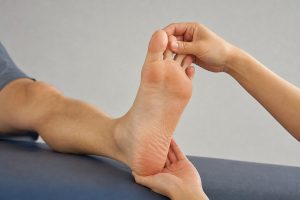
Short answer: To get rid of toe cramps, gently stretch and massage your toes, apply warmth, and hydrate. Prevent future cramps by stretching regularly and addressing any underlying foot problems. If cramps return often, are severe, or involve other symptoms, see a podiatrist to check for underlying causes or nerve issues.
At a glance:
Stretch your toes gently by pulling them upward until the cramp releases.
Apply a warm towel, heating pad, or soak your foot to relax the muscle.
Stay hydrated throughout the day to help prevent cramps.
Regular foot and calf stretches can reduce nighttime or exercise-related cramping.
Frequent or severe toe cramps may signal circulation problems, nerve issues, or a need for foot pain evaluation.
What should you do right now for a toe cramp?
When a toe cramp strikes, you may feel sharp, sudden pain and see the toe contract or curl unexpectedly. Stay calm—it usually passes in a few moments with the right steps. The most important action is to gently stretch and relax the cramped muscle to help it unclench.
Slowly pull your cramped toe upward, in the direction of your ankle, and hold it for 10–30 seconds until the cramp subsides.
Use your fingers to massage the area in steady, gentle circles to encourage blood flow and muscle release.
Apply warmth using a warm towel, heating pad (on low), or soak your foot in warm water to help the muscle relax further.
If you are able, try walking carefully to activate and reset the muscle.
Take a few sips of water, because dehydration can be a factor in cramping.
If you still feel soreness after the cramp resolves, applying a cold pack for a few minutes can ease any lingering discomfort. For people with diabetes or reduced sensation, check your skin for burns or irritation before using heat or ice.
How can you calm toe cramps at night?
Nighttime toe cramps often wake people up with a jolt of pain, and can make it hard to fall back asleep. To calm a cramp when it happens, gently stretch your toes upward toward your knee and massage the muscle. Some people find it helpful to get out of bed and stand or walk for a moment to help the muscle relax.
Before bed, stretch your toes and calves to reduce the risk of cramps.
Sleep with loose bedding and avoid tucking sheets tightly around your feet, so toes don’t get forced into a pointed position.
Keep your feet warm with socks if cold temperatures trigger your cramps. Warmth keeps muscles more flexible overnight.
Try elevating your legs on a pillow to aid circulation.
If you have diabetes or poor circulation, be gentle when stretching and never use direct heat for long periods without checking your skin, as you may not feel burns. Learn more about safe practices in our diabetic foot care guidance.
What stretches or prevention help avoid toe cramps?
Regular stretching is one of the best ways to reduce your chance of painful toe cramps. Stretch both your toes and your calf muscles daily, especially before or after activity. Make sure your footwear fits properly and gives your toes enough space—tight or unsupportive shoes can increase your risk of cramping, particularly if you have high arches or flat feet.
Toe stretches: Sit and use your hand to gently pull your toes up and back. Hold for 10–20 seconds on each foot.
Foot towel scrunches: Place a towel under your bare foot and use your toes to grip and scrunch the towel toward you, then release. Repeat several times per foot.
Calf stretches against a wall: Step one foot back, keep your heel down, and gently press your hips forward until you feel a stretch in the back leg.
Choose shoes with broad toe boxes and proper arch support. For persistent cramping or foot shape concerns, custom orthotics may offer extra support. Those with low arches may benefit from our flat feet care options.
Drink water regularly, especially if you sweat a lot or take medications that can cause dehydration, as low fluid levels are a common trigger for cramps.
If your cramps seem exercise-related, stretching before and after physical activity can make a significant difference. Maintaining a diet with enough minerals such as magnesium and potassium may also be helpful, but check with your provider if you have medical conditions that affect diet.
When to see a podiatrist
Cramps happen frequently or disrupt your sleep more than once a week
Pain or cramping persists or gets worse after home care
Your toe cramps are accompanied by swelling, redness, heat, or visible changes in foot color
You have diabetes or poor circulation and new or worsening toe cramps
You notice numbness, tingling, weakness, or have difficulty moving your toes normally
If at-home care is not enough or you’re concerned about other symptoms, schedule a foot pain evaluation at our Houston or Cypress clinic. We’ll help determine the cause of recurring toe cramps and guide you toward effective relief and prevention strategies tailored to your needs.