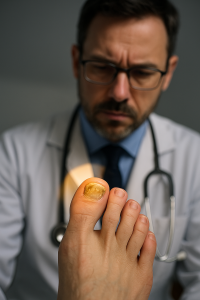
Short answer: Treating toenail fungus in children involves using gentle and age-appropriate methods. A podiatrist might suggest topical treatments, careful nail care, and, in some cases, oral medication for severe infections. Preventive measures like keeping feet dry and avoiding walking barefoot in public places are also recommended.
Why Toenail Fungus Happens in Children
Toenail fungus in children is a common issue and can happen for several reasons. Kids are often exposed to fungi by walking barefoot in damp public places like pools, locker rooms, or wet playgrounds. These spots are ideal breeding grounds for fungi due to the combination of warmth and moisture. Additionally, wearing tight or non-breathable shoes can trap sweat, providing a suitable environment for a fungal infection to develop. If a child has a compromised immune system, it may also increase their risk. Familiar activities such as stubbing a toe can damage the nail and make it more vulnerable to infection. Knowing these risk factors helps in understanding how to prevent toenail fungus.
At-Home Care for Toenail Fungus
Effective at-home care for managing fungal nail infections involves consistency and good habits. Start by ensuring your child washes their feet daily with soap and water, drying them thoroughly afterward, especially between the toes. This basic practice helps to prevent moisture from letting the fungus thrive. Choose socks made from materials that wick moisture away, such as cotton or special athletic blends, and ensure shoes are breathable. Encourage your child to change their socks whenever they feel damp. For nail care, trim your child’s toenails straight across, not too short, and gently file any thickened areas if needed. Topical antifungal treatments available over the counter can also be helpful for mild infections. Ensure they are applied as directed for the best results.
Professional Treatments for Fungal Infections
If at-home care doesn’t show improvement or the infection worsens, schedule a visit to a podiatrist. A podiatrist can diagnose the infection by examining the nail and might take a nail clipping to confirm the type of fungus involved. For less severe cases, a podiatrist might prescribe topical antifungal treatments designed to be safe and effective for children. These medications are typically applied directly to the affected nail and surrounding skin to target the fungus. In more persistent or severe cases, oral antifungal medications might be necessary. The podiatrist will carefully weigh the benefits against any potential side effects for the child and closely monitor their response to the treatment. Another method used in the clinic is nail debridement, where the nails are meticulously trimmed and thinned to help topical medications penetrate more effectively and alleviate any pressure or pain caused by thickened nails.
When to See a Podiatrist
Your child’s toenail shows persistent discoloration, such as appearing yellow, white, or brown, and is thickened or crumbling.
The nail is separating from the nail bed or appears lifted.
Your child complains of pain, discomfort, or itchiness around the nail.
There are signs of a more serious infection, such as redness, swelling, or pus discharge.
If after a month of home treatments there’s no visible improvement.
If you notice any of these symptoms in your child’s toenails, it’s crucial to see a podiatrist promptly to prevent the infection from worsening or spreading. For expert care and effective treatment of toenail fungus in children, schedule a visit at DeNiel Foot & Ankle Center in Houston or Cypress. Our team is ready to provide comprehensive care tailored to your child’s needs.