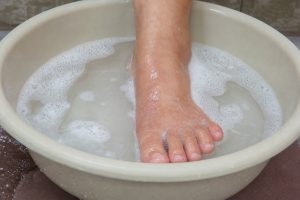
Short answer: You can treat a mild ingrown toenail at home by soaking your foot, keeping the area clean, and wearing comfortable shoes. Never dig at the nail or cut the edge yourself—this can lead to infection. If there is intense pain, signs of infection, or you have diabetes, see a podiatrist right away.
At a glance:
Soak your foot in warm, soapy water for 15-20 minutes two or three times per day to reduce discomfort.
Apply an over-the-counter antibiotic ointment and use a clean, dry bandage after each soak.
Always avoid digging under the nail, cutting a notch, or performing bathroom surgery at home.
Wear shoes with a roomy toe box or open-toed sandals to prevent extra pressure on your toenail.
Stop home care and get professional help for severe pain, signs of infection, or if you have diabetes or poor circulation.
How can I safely treat an ingrown toenail at home?
If your ingrown toenail is only mildly sore and not infected, you can use gentle home care. Start by soaking your foot in warm, soapy water for 15-20 minutes, two to three times daily. Soaks help soothe tenderness, soften the skin, and may ease some swelling. Afterwards, dry your foot completely and apply a thin layer of over-the-counter antibiotic ointment to lower the risk of infection. Place a clean, loose bandage over the area.
Change the dressing at least once a day or whenever it becomes wet or dirty. Keep your feet clean and avoid walking barefoot, especially in humid settings or public places.
Soaking and antibiotic ointment keep the area clean and calm minor irritation.
Open-toed sandals or shoes with plenty of room help relieve pressure so the nail edge isn’t pressed into tender skin.
If possible, gently lift the nail corner with a small piece of clean cotton or dental floss after soaking, but only if this doesn’t cause pain—do not force it.
Home care is only suitable if there are no signs of infection, you can see improvement in a few days, and you are otherwise healthy. Be patient and continue precautions until the nail begins to grow out normally.
What should I never do when treating an ingrown toenail myself?
Certain approaches can make an ingrown nail worse or trigger infections that are much harder to treat. Do not cut a ‘V’ or notch in the toenail—the nail does not grow together to push out the edge, and this technique risks more injury. Never dig out the nail border with scissors, nail files, or other sharp tools.
Avoid tearing or ripping the nail edge, as this can cause the nail to grow deeper into the skin. Don’t rely on homemade remedies, such as bathroom surgery or unsterile instruments. At-home cutting almost always increases the chance of pain, infection, or permanent nail problems.
If you have diabetes, nerve problems, or poor circulation, skip all at-home procedures entirely—even small cuts or wounds can lead to serious complications. See our diabetic foot care page for tips if you have these conditions.
Do not ignore persistent symptoms or rely on topical painkillers to mask trouble.
If redness, swelling, or drainage increases—or the nail appears worse—stop at-home efforts.
How does a podiatrist help if home treatment isn’t working?
Podiatrists specialize in both relieving discomfort and fixing the underlying problem safely. At our clinic, we carefully examine the affected toe for signs of infection, swelling, or nail shape problems. If needed, we may gently remove the ingrown nail edge, sometimes using a local anesthetic to keep you comfortable. Permanent removal of the nail border (called a matrixectomy) can be an option for people with recurring issues.
For those with infected or draining toes, a podiatrist may prescribe oral antibiotics or perform sterile wound care. We also offer guidance on footwear, nail trimming techniques, and ongoing prevention.
People with diabetes or poor circulation may need more specialized wound care to avoid serious complications.
Pain that interferes with walking, frequent ingrown nails, or toes that do not heal should always be checked in person.
When to see a podiatrist
Signs of infection: redness, warmth, pus, or red streaks spreading from the toe
Fever, chills, or feeling generally unwell with an ingrown toenail
Severe pain, throbbing, or swelling that doesn’t get better after a few days of home care
Inability to bear weight, walk comfortably, or worsening symptoms
Diabetes, poor circulation, nerve problems, or medical conditions that affect foot healing
Repeat ingrown toenails or persistent problems despite safe self-care
Don’t take chances with persistent pain or worrying signs. If you have any of these symptoms, or your home treatments are failing, trust us for safe, gentle ingrown toenail removal. Our podiatrists in Houston and Cypress are here to help you heal quickly and prevent future problems.