Short answer: Athlete’s foot is treated by using over-the-counter antifungal creams or sprays as directed, keeping your feet clean and dry, and changing socks and shoes regularly. Continue treatment for at least one week after the rash clears. If symptoms don’t improve, or if you have diabetes or signs of infection, see a podiatrist.
At a glance:
Over-the-counter antifungals, such as creams or sprays, are usually effective when used exactly as the label instructs.
Keep feet dry, especially between the toes, and change socks if they become damp.
Continue using antifungal products for at least one week after your skin looks normal.
Not all itchy, flaky foot rashes are athlete’s foot—some are due to eczema, psoriasis, or contact dermatitis.
People with diabetes or poor circulation should see a specialist, as foot infections can become serious quickly.
How do you recognize athlete’s foot?
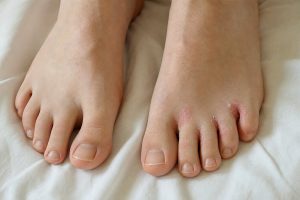
Athlete’s foot is a fungal infection that often starts between the toes or on the bottom of the foot. It causes itchy, scaly, or cracked skin—sometimes with burning, stinging, or a strong odor. You might notice white, soggy skin between the toes, mild swelling, redness, or even small blisters. If the rash is only on the sole or spreads to the sides of the foot, the skin may appear dry and flaky rather than moist.
Itchy, scaly, or peeling skin, most often between the toes or on the sole
Burning, stinging, or tender sensations on affected areas
Redness, mild swelling, or blisters with watery fluid
Not every foot rash is athlete’s foot. If you see thick, yellowish toenails, this may be toenail fungus, which can happen alongside but is treated differently. Sudden spreading, pus, or deep cracks can signal a more serious problem.
How do you treat athlete’s foot at home?
The most important step is starting an over-the-counter antifungal cream, spray, or powder—products found at most drugstores. Wash your feet daily with soap and water, and be sure to dry them well, especially between each toe. Keeping your feet dry is key because fungus thrives in damp places. Put on clean, dry socks each morning and change them during the day if they get damp from sweat or showers. Avoid going barefoot in public showers or locker rooms to prevent spreading.
Apply an antifungal treatment exactly as the instructions on the package direct, covering the entire affected area and a small margin of surrounding skin.
Wash feet, including between toes, and dry thoroughly before each application.
Change socks at least once per day, more often if your feet sweat.
Wear shoes that breathe and let them dry out between uses; alternating pairs can help.
Continue using the antifungal for at least one week after your skin looks clear, which helps prevent the fungus from coming back.
If symptoms have not improved after two weeks of home treatment, the rash may not be athlete’s foot, or it may need prescription-strength medication. Good foot hygiene is always important—especially if you have a history of athlete’s foot or diabetic foot care needs.
When is athlete’s foot not the cause of a foot rash?
Many things can mimic athlete’s foot, but require different treatment. Psoriasis and eczema often cause red, flaky spots but usually without much itching or cracking between toes. Allergic reactions and contact dermatitis may cause intense itching, swelling, or blisters in patterns that don’t fit fungus.
Dull, thick scaling or dry areas with faint pink color may point to eczema or psoriasis.
Large, round, raised scaly rings can be another fungal infection called ringworm.
Red, moist, or pus-filled skin, or wounds that won’t heal, may signal a bacterial infection needing different care.
Also, people with diabetes or poor circulation can develop similar symptoms from low blood flow or nerve issues, so it is crucial to distinguish these. If you are uncertain, or if your rash responds poorly to antifungal creams, getting the proper diagnosis from a podiatrist ensures you’re on the right track. For details about care options, visit our foot and ankle clinic.
When to see a podiatrist
You have diabetes or poor circulation and notice redness, cracks, sores, or changes to skin color or temperature
Your rash does not improve after two weeks of antifungal treatment
The area is hot, red, swollen, painful, or has pus, yellow drainage, or new odor
Your skin has deep cracks, raw tissue, or bleeding spots
You cannot put weight on your foot or experience sudden numbness, tingling, or weakness
Rash or infection rapidly spreads to other parts of your foot or body
If you’re struggling with persistent foot itching, peeling, or any warning signs, don’t hesitate to reach out. Our Houston and Cypress team offers expert athlete’s foot treatment to help your feet stay healthy and comfortable.