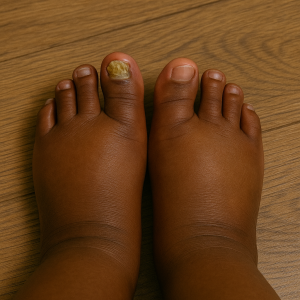
Short answer: Toenail fungus during pregnancy should be treated with safe options for both mother and baby. Topical antifungal medications, nail debridement, and pregnancy-safe home care like tea tree oil can help. Oral antifungal pills are usually avoided. A podiatrist can customize a plan, and laser treatment might be suitable as well.
Why Toenail Fungus Happens During Pregnancy
During pregnancy, your body undergoes significant hormonal changes that can sometimes affect your nails, making them more vulnerable to infections like toenail fungus. You might notice your nails becoming thicker, yellowish, or crumbly, which are common signs of a fungal infection. These symptoms are not just cosmetic; if left untreated, the infection can become painful, especially when pressure is applied through tight or closed shoes.
Safe Home Care Methods
Managing toenail fungus at home is possible with pregnancy-safe methods. Tea tree oil is known for its antifungal properties and can be one option. To use it safely, dilute tea tree oil with a carrier oil, such as olive oil, before applying. Use a cotton swab to apply it to the affected nail twice a day. Consistency is key, and while this method might not cure the infection completely, it can help manage the symptoms.
Maintaining good foot hygiene is crucial. Wash your feet daily with soap and water, and ensure they are thoroughly dried, especially between the toes. Moist environments encourage fungal growth, so choosing breathable, open-toed footwear or well-ventilated shoes can help. Avoid wearing the same pair of shoes two days in a row, allowing them to dry out fully between uses. Consider using foot powders or antiperspirant sprays to reduce moisture on hot or humid days.
Professional Treatments Available
When home remedies aren’t enough, several professional treatments are safe during pregnancy. Topical antifungal medications are often the first line of treatment because they stay localized to the nail and do not enter the bloodstream. These medications come as creams, ointments, or medicated nail lacquer, and should be applied as directed by your podiatrist, usually after cleaning the affected area.
Nail debridement is another approach offered by podiatrists. This procedure involves trimming and thinning the thickened nails, which reduces pressure and discomfort. Debridement also allows topical treatments to penetrate more effectively, enhancing their effectiveness.
Laser treatment presents a modern, non-invasive option that focuses a beam of light directly on the fungal cells. This method is effective without harming surrounding tissues and is considered safe during pregnancy due to its localized nature.
Overall, oral antifungal medications are avoided during pregnancy unless absolutely necessary due to potential risks to the developing baby. If a severe infection does not respond to other treatments, a podiatrist might create a tailored plan and possibly recommend deferring some treatments until after childbirth.
Persistent pain or swelling around the toenail, or if these symptoms worsen.
The infection seems to be spreading, either to other nails or the skin around them.
Difficulty walking or wearing shoes due to nail discomfort.
Signs of a bacterial infection such as increased redness, pus, or heat around the toenail.
If you have diabetes or circulation issues, seek medical attention promptly if you notice any symptoms.
If you’re dealing with toenail fungus during pregnancy, a podiatrist can help you manage your symptoms with a safe treatment plan. Our team at DeNiel Foot & Ankle Center in Houston and Cypress is ready to offer guidance and care suited to your condition. Schedule a consultation today to find relief safely during this important time.