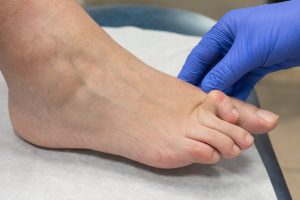
Short answer: Hammertoes are most often caused by an imbalance in the muscles and tendons that control your toes, sometimes worsened by tight or ill-fitting shoes. Early hammertoes may be flexible and treated with pads, shoe changes, or custom orthotics, but severe or rigid hammertoes may need surgery to correct them.
At a glance:
Muscle and tendon imbalance is a primary cause of hammertoes, making toes bend abnormally at the middle joint.
Wearing tight, narrow, or high-heeled shoes can increase risk and make hammertoes worse over time.
Flexible hammertoes often respond well to padding, wider shoes, or orthotics, while rigid hammertoes may require surgery.
Surgery can realign or shorten the affected toe and is considered if pain and deformity remain after conservative treatment.
If you have diabetes or poor circulation, see a podiatrist sooner for any changes in your toe shape or persistent discomfort.
What causes hammertoes?
Hammertoes develop when the muscles and tendons controlling your toes become imbalanced, causing one or more toes to bend abnormally at the middle joint. You may notice that your toe points downward instead of lying flat, sometimes making shoes uncomfortable as the bent joint rubs against footwear. Over time, the soft tissues tighten and contract, making the toe harder to straighten.
Abnormal muscle or tendon pull, often influenced by how your foot is shaped—such as flat feet or a high arch
Frequently wearing tight, narrow, or high-heeled shoes that compress the toes against one another
Genetic factors or inherited foot structure which makes some people more likely to develop hammertoes
Injuries, sprains, or stubbing of the toe that disrupt normal alignment
Underlying medical problems, such as arthritis or nerve disorders
Hammertoes can develop gradually or after trauma. Over time, repeated pressure and friction can also cause corns, calluses, or even open sores on the tops or tips of the affected toes, especially for those with diabetes or poor circulation.
What’s the difference between flexible and rigid hammertoes?
The flexibility of your hammertoe makes a difference in both symptoms and treatment choices. If your affected toe can still be straightened by hand or during movement, it is considered flexible. People with flexible hammertoes usually have pain and rubbing mainly when wearing closed shoes, and symptoms may come and go.
If left untreated, a flexible hammertoe can become rigid—where the bent joint no longer moves, even if you try to straighten it with your hands. Rigid hammertoes are more likely to cause persistent pain, difficulty finding comfortable shoes, and problems like wounds or infection.
Flexible hammertoes usually respond well to non-surgical treatments such as padding, wider shoes, or custom orthotics.
Rigid hammertoes may make walking painful, limit your activity, and frequently require surgical correction if conservative care fails.
Corns, calluses, irritation, and difficulty fitting shoes are common complaints for both types, but generally worse if the toe becomes stiff.
Identifying whether your hammertoe is flexible or rigid helps us tailor your treatment plan and set realistic expectations for improvement.
What can you do at home and what does a podiatrist do?
If you notice a hammertoe forming, addressing it early often leads to better comfort and less long-term damage. Here are the steps you can take at home and the ways we can help in our clinic:
Switch to shoes with a deep, roomy toe box and low heels to relieve pressure and let the toe straighten as much as possible.
Use over-the-counter pads or cushions, placing them on areas where your shoes rub to prevent corns, calluses, and open sores.
Try toe-stretching exercises—such as picking up small objects with your toes or gently stretching and flexing the bent toe daily.
Consider custom orthotics to support your foot, help balance muscle forces, and reduce pressure on the toes.
A podiatrist will examine your feet, check the flexibility of your hammertoe, and look for problems like calluses, corns, or wounds. We may trim painful corns, suggest splints or taping, and recommend shoe modifications. For flexible hammertoes, nonsurgical treatments can make a lasting difference. If conservative care does not relieve pain and your hammertoe becomes rigid, we may discuss surgical options.
Procedures can include straightening the toe, releasing tight tendons, or procedures like toe shortening to restore alignment. Most surgical treatments are minimally invasive and focus on reducing pain so you can walk comfortably again.
If you have underlying conditions such as diabetes or poor circulation, managing your hammertoe early is even more important to avoid complications like ulcers or infections.
When to see a podiatrist
Your toe is stuck in a bent position and causes pain or limits your activity
There are red, hot, swollen, or open sores on or between your toes
Pain continues despite using padding, wider shoes, or other home measures
You notice any changes in your toes and you have diabetes or poor circulation
You cannot bear weight, or your toe suddenly feels weak, numb, or loses function
If a hammertoe is interfering with your daily life or comfort, you don’t need to wait—our team at DeNiel Foot & Ankle Center can evaluate your options for hammertoe correction. Reach out to our Houston or Cypress locations and start walking comfortably again.