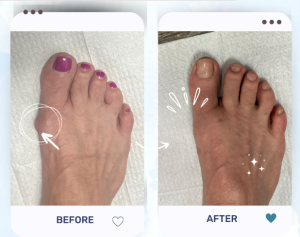
minimally invasive bunion surgery at DeNiel Foot & Ankle Center
Short answer: Minimally invasive bunion surgery is a modern technique using small incisions and specialized tools to realign the bone with minimal damage. This method often results in less pain, swelling, scarring, and quicker recovery than traditional surgery. Most patients can walk the same day in a protective boot.
Why choose minimally invasive bunion surgery?
Minimally invasive bunion surgery is an advanced procedure that corrects bunions—painful, often red and swollen bumps at the base of the big toe—while minimizing impact on nearby tissues. Unlike traditional surgery that involves a large incision, this technique requires just tiny 2-5 mm cuts. Through these small openings, specially designed instruments are used to realign the bones, lowering the risk of soft tissue damage. This results in less disruption to the foot’s natural structures, often leading to reduced pain and swelling. Scarring is also minimal, making it an aesthetically appealing choice for those concerned about visible marks.
Recovery and benefits
The recovery from minimally invasive bunion surgery is often quicker and less uncomfortable compared to traditional methods. Most patients can walk on the day of the operation, aided by a special protective boot that stabilizes the foot and supports healing. This boot is crucial for your recovery, so it’s important to follow your podiatrist’s instructions on when to transition back to regular shoes. Typically, over-the-counter pain relievers such as ibuprofen or acetaminophen can help manage post-operative discomfort. Elevating your foot while resting will also assist in reducing swelling. It’s critical to keep the surgical site clean and dry to prevent infection. For advice on suitable footwear after surgery, check out our guide on best shoes after bunion surgery.
Cost considerations
The cost of minimally invasive bunion surgery generally ranges from $3,500 to $7,500. This price depends on several factors, including the severity of your bunion, the specific surgical techniques applied, and associated resource costs like anesthesia and facility fees. During your initial consultation, a podiatrist will conduct a thorough examination and take X-rays to provide a detailed cost estimate tailored to your situation. Insurance coverage for bunion surgery can vary significantly, so it’s beneficial to consult your provider beforehand. For more information, visit our page on insurance coverage for bunion surgery to see if you qualify for any benefits.
When to see a podiatrist
Persistent pain and swelling around your big toe that makes daily activities difficult
Finding it hard to fit into comfortable shoes because of the bunion’s size or shape
Bunions that are visibly growing or becoming more painful over time
Numbness or tingling in the toe or foot, which might indicate nerve involvement
Signs of infection such as redness, warmth, or drainage from the bunion area
If you notice any of these symptoms, it’s crucial to seek professional evaluation. Early intervention can prevent the bunion from worsening and necessitating more invasive treatments later on. At DeNiel Foot & Ankle Center, we provide comprehensive care tailored to your specific needs, offering a range of surgical and non-surgical treatments. To learn more or to book your appointment, visit our DeNiel Foot & Ankle Center.