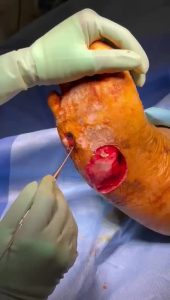
Short answer: Proper wound care is essential for people with diabetes or vascular issues because they often heal more slowly and are at higher risk for infection. Without the right treatment, small wounds can lead to serious complications. Effective care keeps wounds clean, reduces infection risk, promotes healing, and helps prevent mobility issues.
Why Wound Care is Crucial for Diabetes and Chronic Conditions
For individuals with conditions like diabetes or poor circulation, the body’s natural healing processes can be impaired. If you have diabetes, nerve damage may make you unaware of injuries, while poor circulation results in less blood flow, meaning less oxygen and nutrients reach wounds. This not only slows healing but increases susceptibility to infections, which can develop quietly until they disrupt other tissues or bones. As a result, what starts as a small cut or blister can evolve into severe issues like cellulitis or even limb-threatening conditions if not addressed properly.
What You Can Do at Home
Taking the necessary steps at home can significantly impact wound healing. Begin with gently cleaning the wound: use mild soap and lukewarm water to rinse away dirt. After cleansing, pat the area dry with a clean towel. Apply a thin layer of antibiotic ointment to defend against bacteria, then protect it with a sterile bandage. It’s crucial to change the dressing daily or anytime it gets wet or dirty to maintain a clean environment.
Besides wound care, monitoring for signs of infection is essential. Symptoms might include increased redness, warmth, or thick drainage. Swelling and persistent pain might also be signs that healing isn’t progressing. Also, if you have diabetes, incorporate a daily check of your feet to catch unnoticed injuries sooner, as neuropathy can make injuries painless. Managing your blood sugar levels is pivotal; consistently high levels can stall the healing process. Work closely with your healthcare provider to keep your numbers within the healthy range for you.
How a Podiatrist Can Help
Podiatrists play a key role in managing and treating wounds, particularly for patients with diabetes or chronic conditions. They can examine the wound to determine the best course of action, which may include debridement—the removal of dead or infected tissue to encourage healing. This often involves careful use of instruments to peel away non-viable tissue, enhancing the likelihood of recovery. For more complicated cases, a podiatrist might use advanced dressings, which can include moisture-control options or medicated solutions to aid healing.
If necessary, podiatrists can also prescribe oral or topical antibiotics if there’s an infection risk. They also help with prevention, offering custom orthotics to relieve pressure on the wound and protect your feet from future injury. In cases of diabetic neuropathy, they can help manage symptoms to improve blood flow and sensitivity. Discover more about managing neuropathy through Diabetic Neuropathy Treatment. Regular visits can help monitor progress and catch any subtle changes that require attention.
When to See a Podiatrist
The wound shows signs of infection, such as increased redness, warmth, or oozing pus.
The wound has not shown noticeable improvement after a few days of careful home treatment.
You experience increased pain, tenderness, or swelling, suggesting complications.
If fever develops, as this may indicate infection spreading in your body.
If you have diabetes, it’s advisable to get any new foot wound evaluated by a professional promptly.
If you notice unusual changes in the size or depth of the wound.
Proper wound care and timely treatment are crucial to preventing severe, long-lasting complications. If you’re dealing with diabetes or chronic conditions, seeking expert care for any foot wounds is wise. Visit our specialists in Houston and Cypress to effectively manage and treat your foot health needs.