


Ingrown Toenails
Hours of Operation
- Monday: 8:30AM – 5:00PM
- Tuesday: 8:30AM – 5:00PM
- Wednesday: 8:30AM – 5:00PM
- Thursday: 8:30AM – 5:00PM
- Friday: 8:30AM – 5:00PM
- Saturday: By Appointment Only
Contact Info
-
Phone: (832) 415-1790
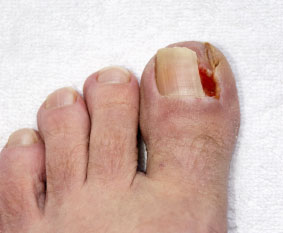 An ingrown toenail is caused when a toenail grows sideways into the bed of the nail, causing pain and swelling. The nail can sometimes exacerbate and become infected, creating serious drainage.
Who Needs Ingrown Toenail Surgery in Houston?
There are many risk factors that can predispose a person to this common condition. Cutting your nails too short, participating in sports, diabetes, being overweight, or having a fungal infection of the toe can all cause an ingrown toenail. The condition can often be related to genetics, as many people are genetically predisposed to ingrown nails. More often than not, the problem can arise from wearing ill-fitting shoes or from shoes that keep the feet slightly damp, sometimes leading individuals to consider ingrown toenail surgery in Houston when the issue becomes severe or recurring.
To prevent ingrown toenails, allow your toenails to grow a little longer and avoid cutting them too short. If you do develop an ingrown nail, soaking the toe in hot water will help prevent infection and lessen pain. You may want to add antibiotic soap or Epsom salts to the water, which will provide further protection against infection.
There are many quick treatments available for ingrown toenails that can lessen pain and have you walking with comfort. If your pain is so severe that it keeps you from everyday activities, however, a visit with your podiatrist is necessary.
Frequently Asked Questions (FAQs)
If you experience red, swollen, painful skin around the nail edge, drainage, or you have diabetes or poor circulation, you should see a foot doctor instead of only trying home remedies.
A local anesthetic is applied, and the offending part of the nail or its root may be removed to prevent it from growing into the skin again — the procedure is quick and most patients walk out the same day.
Yes. Trim nails straight across (not too short), wear shoes with enough room for your toes, and avoid rounding the nail edges. These steps reduce pressure and the risk of recurrence.
Most patients can walk immediately after the procedure, with soreness improving within 24–48 hours. Full healing typically occurs within 1–2 weeks, depending on the treatment performed.