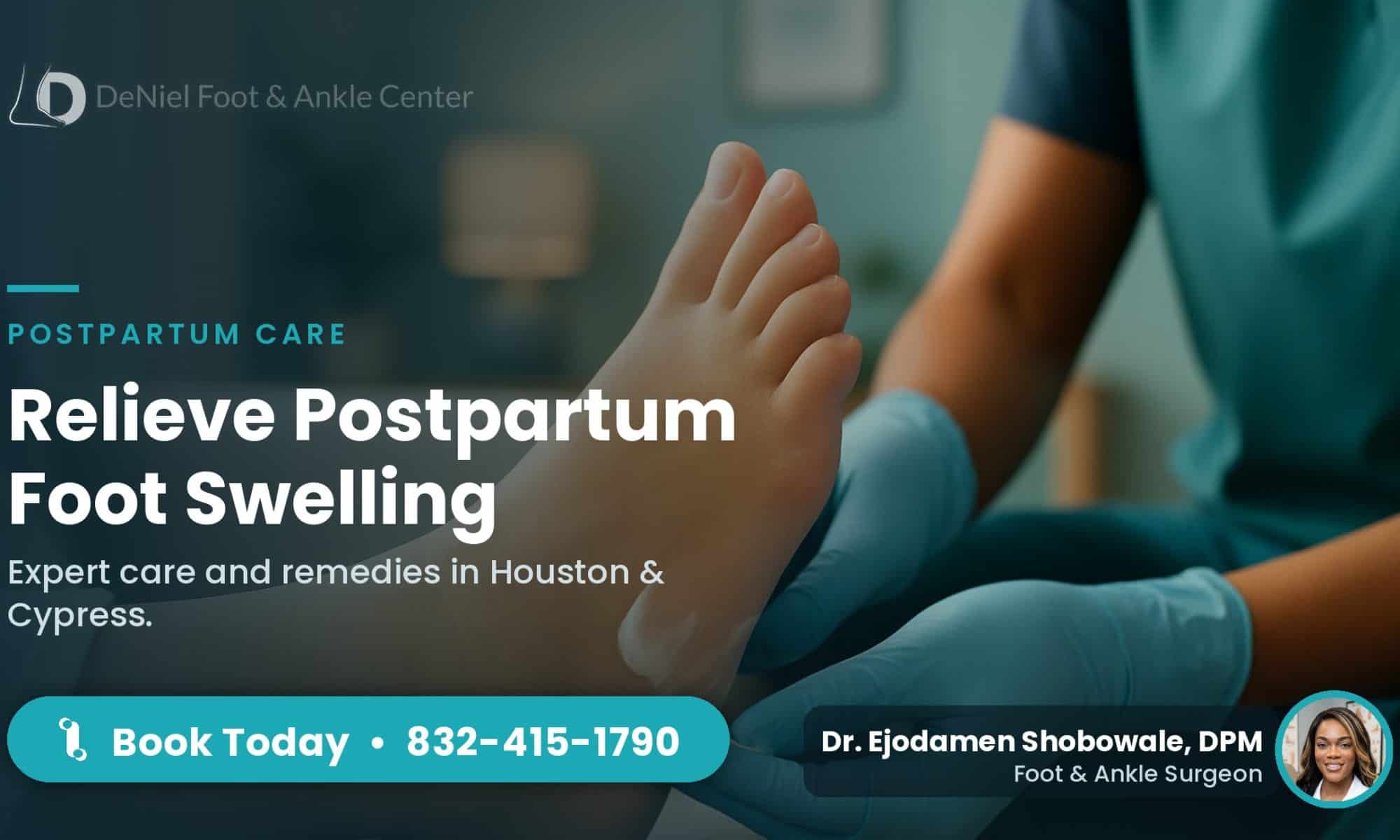
Understanding Postpartum Foot Swelling
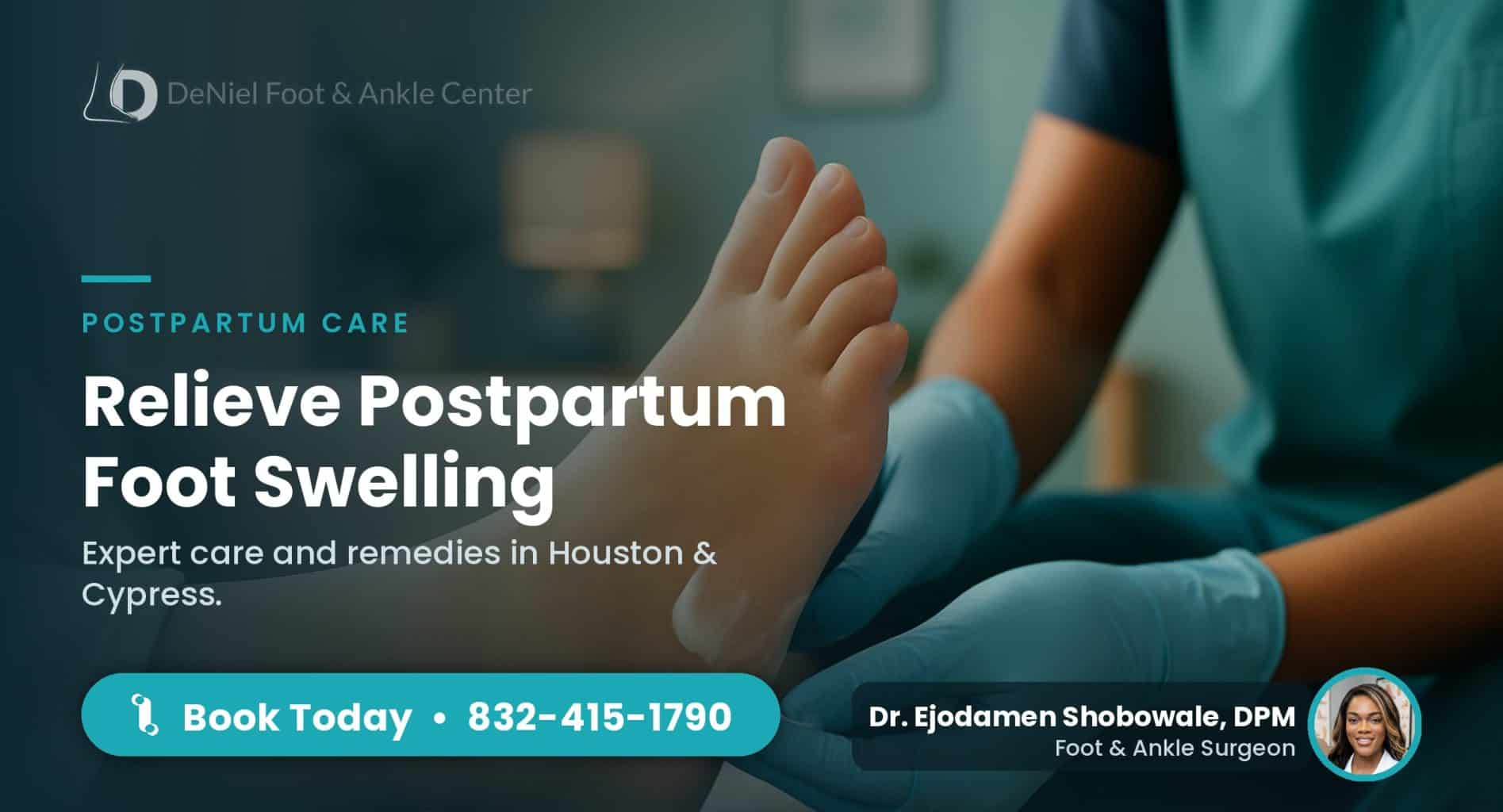
Pregnancy is a transformational period, and many women experience various physiological changes during this time. One common issue that arises is postpartum foot swelling, which can be particularly prevalent among new mothers in Houston and Cypress.
This swelling can cause discomfort and may impede daily activities as your body adjusts to its pre-pregnancy state. Understanding the causes, symptoms, and treatments for postpartum foot swelling is crucial for new mothers seeking relief.
What Causes Postpartum Foot Swelling?
Postpartum foot swelling can be attributed to several factors related to pregnancy and childbirth. These include hormonal changes, fluid retention, and the physical strain of carrying extra weight during pregnancy. As your body prepares for delivery, it produces more blood and fluids, which can accumulate in the tissues of your feet.
Additionally, the process of childbirth itself may lead to inflammation and swelling due to the stress placed on the body. For women in Houston dealing with heat and humidity, this can be exacerbated, causing swollen feet and ankles.
Fluid Retention and Hormonal Changes
Fluid retention occurs as your body adjusts to the hormonal fluctuations after giving birth. Estrogen and progesterone levels rise significantly during pregnancy, and their swift drop postpartum can trigger the body to hold onto excess fluids. This is often most noticeable in the lower extremities, leading to a feeling of heaviness and discomfort in the feet.
Physical Factors
In addition to hormonal changes, physical stressors such as prolonged standing or sitting can also contribute to postoperative swelling. Daily activities may become more demanding after childbirth, adding additional pressure to your feet, particularly if you’re caring for a newborn. Consider regular breaks and elevating your feet when resting to alleviate swelling.
Symptoms of Postpartum Foot Swelling
The primary symptom of postpartum foot swelling is noticeable swelling in the feet and ankles. This swelling can vary in intensity and duration and may be accompanied by discomfort or a feeling of warmth in the affected areas.
In some cases, women may also experience tingling or tightness in the feet. It’s important to distinguish normal swelling from swelling that might indicate a more serious condition, such as deep vein thrombosis (DVT), which requires immediate medical attention.
Treatments for Postpartum Foot Swelling
Treating postpartum foot swelling often involves a combination of home remedies and medical advice. Staying mindful of your body and seeking care can help speed up recovery.
Home Remedies
Simple home remedies can reduce swelling significantly. Elevating your feet and using compression stockings may help improve circulation and decrease fluid retention. Staying hydrated is also essential; drinking water can help flush out excess sodium from your body, minimizing swelling.
Gentle foot exercises may enhance blood flow and reduce inflammation. Try rolling your foot on a tennis ball or doing ankle circles to promote mobility while easing discomfort.
When to Seek Professional Treatment
Should your swelling not reduce with home remedies, or if it worsens, consult a podiatrist for professional treatment. Clinics like DeNiel Foot & Ankle Center can provide specialized care for postpartum complications. They may recommend therapeutic options or physical therapy tailored to your needs.
Preventing Postpartum Foot Swelling
Prevention is always better than treatment. Pregnant women can take steps throughout their pregnancy and postpartum to minimize the risk of foot swelling. Staying active, maintaining a healthy diet, and managing weight gain are essential to avoiding excessive swelling.
Consider low-impact exercises like walking or swimming, which not only improve overall well-being but also encourage healthy circulation. Make sure to wear comfortable shoes to support your feet during this period.
Diet and Hydration
Eating a balanced diet rich in antioxidants, vitamins, and minerals supports your body’s recovery. Focus on foods that reduce inflammation, such as leafy greens, berries, and nuts. Staying hydrated can further reduce fluid retention, offering relief from symptoms.
Regular Foot Care
Regular foot care also plays a vital role in preventing discomfort. Schedule routine check-ups with a local podiatrist in Houston to keep your foot health in check while navigating your recovery.
When to See a Doctor
Knowing when to seek medical advice is critical for postpartum recovery. If you notice sudden swelling in one leg or significant pain, it is crucial to contact your healthcare provider immediately; these can be signs of serious conditions like DVT.
Additionally, if your symptoms persist beyond a few weeks after giving birth or if you have accompanying symptoms like fever or redness, seeking professional guidance is advisable. Regular consultations with a podiatrist can help address any lingering concerns, ensuring that your postpartum recovery remains on track.
Conclusion
Postpartum foot swelling is a common experience for many new mothers in Houston and Cypress, but with the right understanding and management, relief is attainable. Whether you opt for home remedies or professional care, staying proactive about your foot health is crucial.
At DeNiel Foot & Ankle Center, we are devoted to supporting new mothers through their recovery. If you’re experiencing troubling symptoms or simply want to ensure your foot health is optimal, reach out to our team for assistance.
Frequently Asked Questions
What is postpartum foot swelling?
Postpartum foot swelling is a common condition affecting many new mothers. It’s primarily caused by hormonal changes, fluid retention, and physical stress after childbirth.
How long does postpartum foot swelling last?
The duration varies for each woman, but postpartum foot swelling generally decreases within a few weeks after delivery. If it persists, consult a podiatrist for further evaluation.
What can I do to reduce foot swelling after childbirth?
To reduce postpartum foot swelling, elevate your feet, stay hydrated, and engage in gentle foot exercises. It’s also essential to wear supportive footwear and take breaks when standing.
When should I see a doctor for foot swelling?
If you experience sudden swelling in one leg or significant pain, it’s crucial to see a doctor. Persistent swelling beyond a few weeks post-delivery should also be evaluated by a podiatrist.
Is foot swelling normal after pregnancy?
Yes, foot swelling is a normal occurrence after pregnancy due to fluid retention and hormonal shifts. However, monitoring your symptoms is essential to ensure they remain within a safe range.