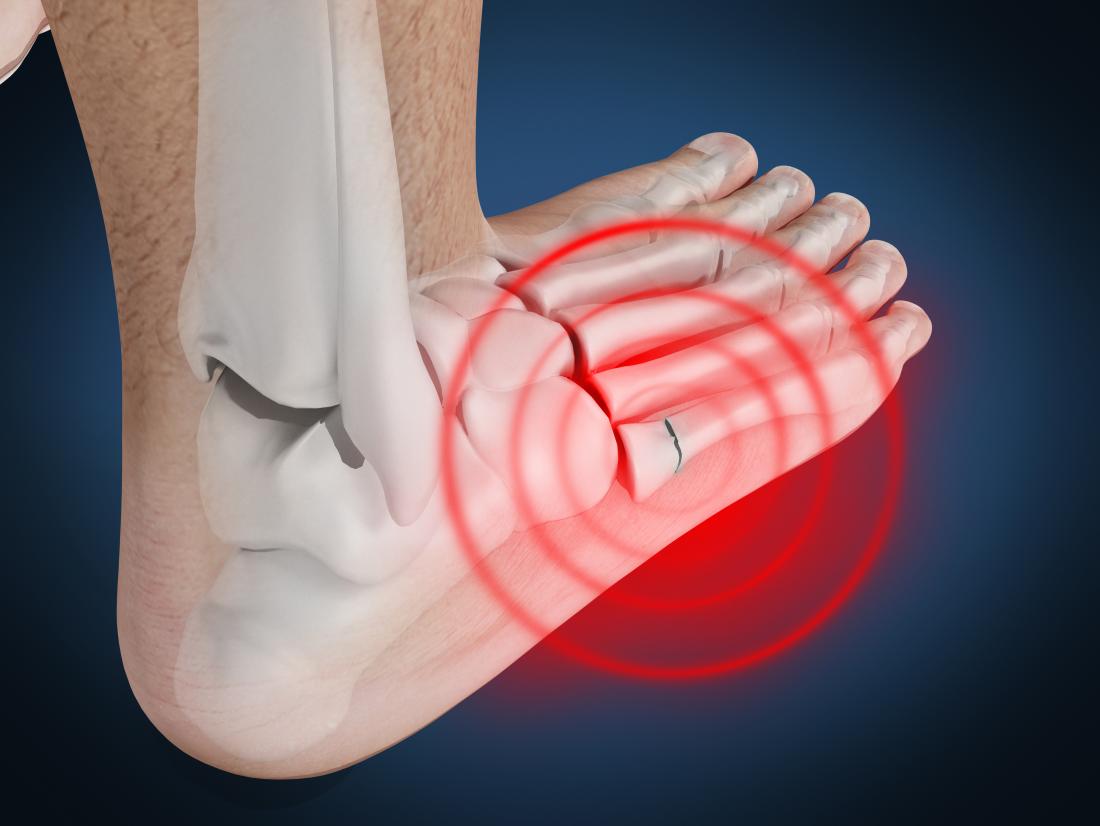
As we get older, falling could lead to a broken foot or foot fractures that may be the beginning of several hospital trips and health problems. A simple fall could turn into a broken foot, broken ankle, fractured ankle, foot fracture, and a lifetime problem. The risk of falling and developing fall-related complications increases as you get older. The fear of falling is real across those who have experienced a fall and those who have not. Lifestyle and personal factors that can be changed cause falls. It is critical to prevent falling, broken foot, and foot fractures by maintaining your health by
- Maintaining your bone health
If you maintain the strength of your bones, you will prevent fractures. Healthy bones will not prevent a fall, but the bones will not be prone to fractures that will lead to many hospital trips, sometimes disability, and in severe cases, death. You can improve your bone health at any age by increasing the intake of vitamin D and calcium. Some people prefer taking supplements, but you can include good sources of calcium such as dark green leafy vegetables, dairy products, foods fortified with calcium, sardines, soybeans, nuts such as almonds, and salmon with bones. Vitamin D helps the body absorb calcium and is absorbed by the body when one is out in the sun. For older people, the body does not absorb enough vitamin D from the sun, so they need to increase the intake of foods rich in vitamin D or supplements.
Being physically active is a guard to future falls and cracks, it fortifies the muscles, and builds adaptability. Physical activity improves your sleep, decreases pain from arthritis, and avoids muscle shrinkage. Also, the lungs and heart work well and improve blood flow preventing blood clots.
- Have your hearing and eyesight tested
Changes in sight and hearing may cause a fall causing an ankle break and fractures. Once your eyesight is tested, and if you get new contact lenses, get used to them before moving around with them but always wear them whenever needed. If you have a hearing aid, ensure it fits and you have it all the time.
- Have your medicine reviewed
It is crucial to understand the side effects of the medications you are on. Some might cause imbalance, dizziness, confusion, and make you sleepy. Some medications escalate the side effects when used together. Carry them all and any additional supplements you are taking to the doctor for you to get correct guidance if they are causing the risk of falling. If it is necessary to continue with the medications, the doctor will give you the way forward on the prevention of falling when on medication.
- Always wear safe footwear
Our feet have lots of nerves that judge the position of our bodies and they need to stay firmly on the ground when standing or taking steps. You can contact a foot doctor who will explain what kind of footwear is suitable for your feet. The soles of the shoes should not be too thick or too thin. Wear rubber-soled shoes, lace shoes, and non-skid shoes that will fully support your feet. Always keep track of how many times you fall although you did not get hurt and share these concerns with a health care professional. It could be a sign of medical problems and sometimes they might recommend physical therapy or the use of walking aids to prevents future falls.
At DeNiel Foot and Ankle Center located in Houston, Texas, Ejodamen Shobowale, DPM and her caring staff strive to provide the best comprehensive care for all podiatry and sport medicine related issues. If the foot and ankle issue, is foot-related like toenail fungus or heel pain, or involves foot deformities such as bunions or hammertoes, the foot specialist at DeNiel Foot and Ankle Center can get you back on your feet as quickly as possible.





