It is important to treat the foot injuries right away if you suffer from diabetes because even the smallest wounds can quickly turn serious. The wounds lead to sores and ulcers when left untreated and that can mean losing the foot, or in extreme cases, the entire leg. The problem is further compounded by the fact that wounds take longer to heal in people suffering from diabetes because of the poor blood flow to the feet. There’s also an onset of nerve damage, called neuropathy, which stops any feeling in the feet. Since you are unable to feel anything in your feet, you will not even get to know that you are hurt. So, even the minor cuts can quickly turn into something major.

The best thing you can do to avoid wounds is to take the preventive approach by keeping the feet protected and healthy. Here are the top four ways through which you can do that:
Run regular checks on your feet
If you have lost sensations on your feet due to diabetes, you will have to check your feet daily to know if something is wrong. It might be hard for you to check the bottom of your feet. In that case, use a mirror or ask a friend or your spouse to help you out.
Wash and dry your feet properly
At the time of taking a bath, you should soap the feet with lukewarm water and dry them well with a soft towel. Make sure to dry between and behind your toes. Moisture that stays trapped there can be harmful because it can lead to sores. Use creams and lotions to make sure that the skin of your feet is adequately hydrated because sores might also develop from the dryness of your feet.
Comfort comes first
Keep in your mind that comfort is the key to making your feet happy. Wear comfortable footwear and soft socks to keep the feet cushioned. Narrow, pointy shoes with high heels are not for your delicate feet. Your doctor might ask you to wear special shoes. Otherwise, you can wear something with added padding, like sneakers, to keep the feet comfortable.
Trimming the toenails
It is important for people with diabetes to see a podiatrist regularly. He will cut your toenails, if needed, as a part of foot wound care. Podiatrists, or foot doctors as they are popularly known as, usually do this for people who suffer from neuropathy or have had foot ulcers earlier. It is better to get your nails trimmed by an expert, rather than going to a salon, if you have diabetes.
If you get wounded accidentally, cleanse it first under running water. Put antibiotic ointment on the wound and cover it with a clean bandage. Visit your nearest podiatrist as soon as you can for further treatment.
If you are looking for quality diabetic wound care from experienced podiatrists, you can get in touch with DeNiel Foot & Ankle Center. You will find effective treatment under the careful supervision of the experts.




 Making healthy food, checking your blood sugar, taking time to be active, keeping up with doctor’s appointments, and taking medicines are some of the things diabetic patients manage. However, through this busy schedule, the feet are the last thing to be remembered but daily
 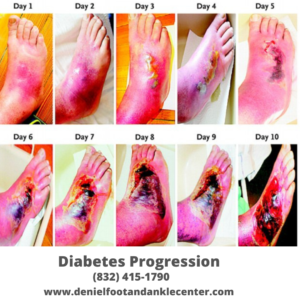 People with diabetes experience foot problems often and are always in fear of the unknown, the worst being one in the reality of losing a foot, leg, or toe. Managing diabetes or glucose levels will keep your feet healthy.
 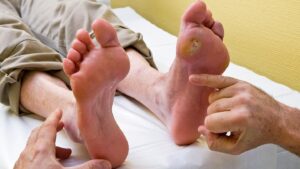 Have you ever taken off your socks or shoes and saw blood, and had no idea how it happened? Well, 15 percent of patients with diabetes suffer from diabetic foot ulcers. A
  It is common for people with diabetes to have foot problems. It is scarier when you think of losing a foot, toe, or leg especially when you know someone who has lost any limps to diabetes complications. However, with