Flat feet is a condition in which the entire sole of the foot touches the ground
People of all ages suffer from flat feet, which may be uncomfortable (i.e.. hurt), cause tiredness, and change posture significantly (over time) and how we walk (gait). A few develop their flat feet as children and never have a problem with them (on the other hand, some only feel their flat feet as adults when standing for long periods of time or doing physical activities). Understanding how to treat flat feet is important in order to alleviate discomfort and pain, avoid complications and enhance overall mobility. This information will provide more details (symptoms/causes and conditions) about flat feet treatment options, including (when and when not) consulting a specialist regarding flat feet symptoms (treatment options).
Foot pain is a common problem that can affect people of all ages. Whether you’re an athlete, a busy professional, or someone managing chronic conditions like arthritis or plantar fasciitis, knowing how to relieve foot pain effectively is essential. Among the simplest and most affordable remedies are ice and heat therapy. But one of the most common questions people ask is: Should I use ice or heat for foot pain?
This guide breaks down the difference between ice and heat therapy, when to use each one, and how they can help you manage different types of foot pain.
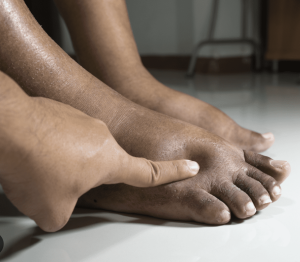
A swollen foot may signal inflammation, poor circulation, or an underlying health condition like heart or kidney problems
Have you ever noticed your shoes feeling tighter during hot weather? You’re not alone. Swollen feet in summer is a common issue, especially in hot and humid climates like Houston, Texas. This uncomfortable (and sometimes painful) condition can affect anyone, whether you’re on your feet all day or just trying to relax by the pool.
In this article, we’ll break down why your feet swell more in the summer, the medical and environmental causes behind it, and what you can do to prevent or relieve the swelling.
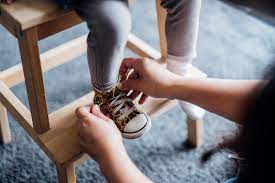
Always measure their feet regularly to make sure they’re wearing the right size!
Children’s feet grow faster than most parents realize. Understanding kids foot size is essential in keeping your child comfortable, active, and injury-free. Shoes that are too tight or too loose can cause discomfort, affect posture, and even lead to long-term foot issues. This guide will help you understand how children’s feet grow, how to measure them correctly, and how to choose shoes that fit just right.
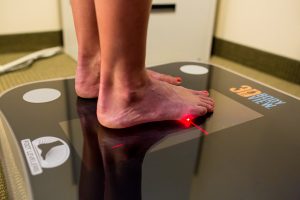
A modern foot scanner used in clinics to capture detailed 3D images of the feet for accurate assessment, pressure mapping, and custom orthotic design.
In today’s fast-paced world, the growing demand for personalized products and convenience has sparked innovation across industries — and podiatry is no exception. One of the latest trends revolutionizing foot health is the use of at-home foot scanners. These high-tech devices claim to offer accurate measurements and foot assessments, all from the comfort of your home. But the question remains: Are they truly accurate and reliable? Let’s explore how these gadgets work, their pros and cons, and whether they can replace a visit to a foot specialist.
Learn about common hereditary foot conditions like bunions, flat feet, and plantar fasciitis.
Did you know that your eye color, height, and your love of food are all influenced by your genes? But here is a fun fact you might not know: your feet can inherit more than just your dad’s size or your mom’s high arches. That’s right—your DNA can pass down hereditary foot conditions.