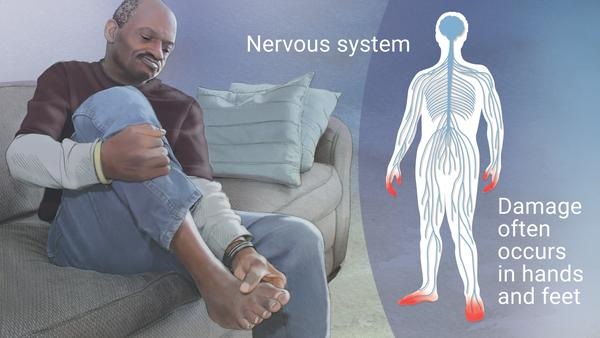
The peripheral nervous system is responsible for sending information to the central nervous system (spinal cord) and the brain. Peripheral neuropathy is a result of damage to the peripheral nerves and nerves outside the brain. The cause of neuropathy can be because of infections, exposure to toxins, traumatic injuries, inherited causes, and metabolic problems. These cause pain, numbness, and weakness, especially in the feet and hands.
Cause of neuropathy
Different health conditions causing peripheral neuropathy include
- Diabetes patients are more likely to develop a kind of neuropathy.
- Autoimmune diseases such as chronic inflammatory demyelinating polyneuropathy, lupus, rheumatoid arthritis, Sjogren’s syndrome, vasculitis, and Guillain-Barre syndrome.
- Inherited disorders such as Charcot-Marie-Tooth.
- Bacterial and viral infections including hepatitis B and C, Lyme disease, HIV, shingles, leprosy, Epstein-Barr virus, and diphtheria.
- Bone marrow disorders, a form of bone cancer, abnormal protein in the blood, the rare disease amyloidosis, and lymphoma.
- Connective tissue disorders, hypothyroidism, kidney disease, and liver disease.
- Other causes of neuropathies include alcoholism, medications, trauma to the nerve, pressure on the nerve, exposure to poisons, and vitamins B and E deficiencies.
If you are dealing with a nerve pain in your legs, you may want to seek help from a foot specialist. Feel free to contact our office to make an appointment with our podiatrist. Our foot and ankle doctor, Dr. Ejodamen Shobowale can provide you with the care you need to keep you pain-free on your feet.
Diagnosing peripheral neuropathy
The doctor first conducts a full medical history, including your family history of neurological disease, drinking habits, lifestyle, and exposure to toxins. The doctor can then recommend a neurological examination to check your sensations, nerve pain in legs, tendon reflexes, muscle tone and strength, coordination, and posture.
Tests used for diagnosis include
- Imaging test- MRI or CT scans to check for abnormalities such as tumors and herniated disks.
- Blood tests that effectively detect diabetes, vitamin deficiencies, and abnormal immune function.
- Nerve function tests – In this test, a thin needle is inserted into the muscles to record the electrical activity of the muscle.
- Skin biopsy where a small portion of the skin is tested for the reduction of nerve endings.
- Nerve biopsy involves removing a small portion of the nerve to check for nerve abnormalities through a sensory nerve.
- Other nerve function tests include an autonomic reflex screen which records how the nerve fibers work, a sweat test to determine the body’s sweating ability, and sensory test to record reactions to different senses such as heat, cooling, touch, and vibration.
Treatment for neuropathy in legs and feet
If you are experiencing burning feet because of neuropathy, it is very important to stop the nerve damage. Treatment of underlying diseases can improve the symptoms of neuropathy, but if not the doctor can focus on treating the symptoms. Some medications that can be administered to relieve symptoms include
Pain relievers: Nonsteroidal anti-inflammatory drugs can be used to relieve mild symptoms, but for severe symptoms, the doctor can prescribe medications.
Anti-seizure medications: these are used to treat epilepsy and very handy in relieving nerve pain.
Topical treatments: this includes the use of capsaicin cream, which contains a substance found in hot pepper. It reduces irritation and burning skin when applied and the symptoms lessen over time. Other topical treatments include lidocaine patch applied to the skin for pain relief.
Antidepressants: Tricyclic antidepressants such as nortriptyline and doxepin relieve pain by interfering with the chemical processes spinal cord and brain. Norepinephrine reuptake inhibitor, duloxetine, serotonin, and venlafaxine are extended-release antidepressants that ease pain likely caused by diabetes.
Therapies
TENS (Transcutaneous electrical nerve stimulation) – A gentle electric current is administered at varying frequencies on the skin. This should be about 30 minutes for about a month.
Plasma exchange and intravenous immune globulin –beneficial for people with inflammatory conditions because it suppresses the immune system activity. Plasma exchange, your blood is removed, and anti-bodies and proteins removed from it then returned to the body. In immune globulin therapy, the body receives immunoglobulins, which work as antibodies.
Physical therapy– This improves movements and aids can be used such as foot and hand braces, a walker, cane, among others.
Surgery– if the condition is due to pressure on nerves from tumors.
If you have any questions, please feel free to contact our office located in Houston, TX. Our Houston, TX office can handle all of your foot and ankle issues. We will provide you with the latest diagnostic and treatment methods for treating all foot neuropathy related issues.




 Whenever we experience foot pain, we typically associate the pain with external factors, such as unsupportive footwear, repetitive stress and overuse; and problems with the foot itself. Little that we know, foot pain can also result from issues involving different parts of the body, including sciatica — a condition that originates in the lower spine and travels down the lengths of your legs to your feet.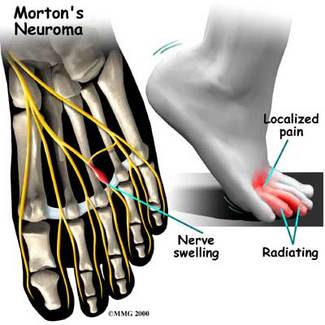
 your sock. It causes a burning, sharp pain in the ball of the foot that radiates into the toes. The toes may feel numb, sting, tingling, and a burning sensation.