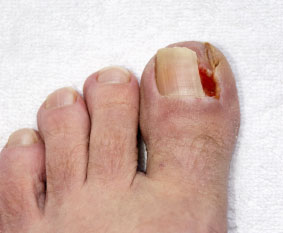
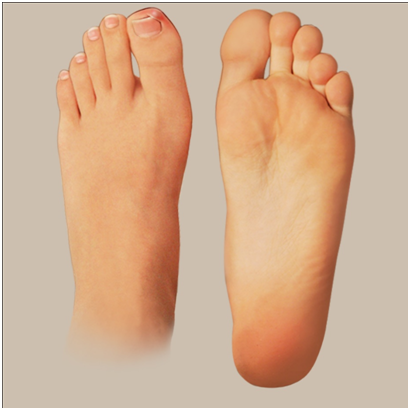
That pain at the end edge of your toenail is uncomfortable and disturbing. An ingrown toenail is when the nail grows into the skin causing pain and irritation to the skin. When the skin is broken, it poses risk to allow bacteria that can cause infections making the ingrown toenail more painful; see a doctor for ingrown toenail immediately. If you notice that you have painful, red, swollen, and hot toenails, it might be infected. Though one question sticks with you, why do you have ingrown toenails?
Have you been experiencing pain and swelling around my toe around the nail? Could it be an ingrown toenail? An ingrown toenail is a condition where one or both corners of the toenail grow into the soft flesh of the toes skin. It is a common condition and it affects the big toe. The result is swelling, pain, redness, and in severe cases, the toe is infected. The nail may have overgrown and inflamed skin over the tip that may be painful in response to pressure.
It can be treated at home but if you have questions about ingrown toenail treatment, reach out to a foot specialist for his/her expert advice. Feel free to contact our office to make an appointment with our podiatrist. Our foot and ankle doctor, Dr. Ejodamen Shobowale can provide you with the care you need to keep you pain-free on your feet.
Causes of ingrown toenails
Cutting the nails short and not cutting straight across.
Tight-fitting stockings, socks, or tight also increase the chances of ingrown toenails.
Too tight, short, narrow ended or flat shoes, increase the chances of developing ingrown toenails.
Injury through something dropping on the toe or kicking something hard.
Walking and standing posture can affect the likelihood of ingrown toenails developing.
Excess sweaty feet keep the skin moist and warm, leaving the toenails susceptible to the development of ingrown toenails and increased chances of ingrown toenail infection.
Ingrown toenails can be heredity.
Genetic factors, such as people with larger toenails.
Seek medical attention as soon as ingrown toenail symptoms appear, and if you have nerve damage in the foot, you have diabetes and poor circulation in the foot. Before taking over-the-counter medications that may mask the pain but not solve the problem, visit a foot doctor.
Infections – Bacteria enter through the point where the nail pierces the skin. It results in infection manifested by the area becoming red, painful, warm, and swollen, some times you might notice bleeding and pus oozing out. Keep your toes and toenails clean and dry to prevent infections.
Removal – If an ingrown toenail recurs, the cells in the nail bed may be removed and destroyed using a chemical such as phenol so that the toenail cannot grow again. During ingrown toenail removal, the doctor uses a local anesthetic and when it wears off, use painkillers. During the healing process, wear soft spacious shoes.
Surgery – A toenail avulsion is removing part of the nail through surgery. A podiatrist cuts away the edges of the toenail, to make it narrow and the skin folds on either side of the toenail may be removed. In some cases, if the toenail is distorted or thick, the whole nail is removed and you will be back to normal activity the next day.
Home treatment – Most patients are advised to treat the toenail themselves. The toenails are soaked in warm water with Epsom salt up to four times a day and using a cotton bud push the skin from the toenail. Do not cut the toenail repeatedly because it could make the problem worse. Wear footwear with plenty of room.
Ingrown toenails can be prevented, if the nails are cut straight across in a straight line or if you have circulatory problems see a podiatrist for professional trimming, maintain good foot hygiene, and choose proper fitting footwear.
Do you have a toenail breaking into the skin, causing you pain and discomfort? It is an ingrown toenail also known as onychocryptosis. When the top corner edge of the nail breaks through the skin causing inflammation, the pressure from the nail to the skin causes the condition. It is common with the big toes. You experience minor discomfort, and it might infect the adjacent skin, leading to a repeat of the problem.
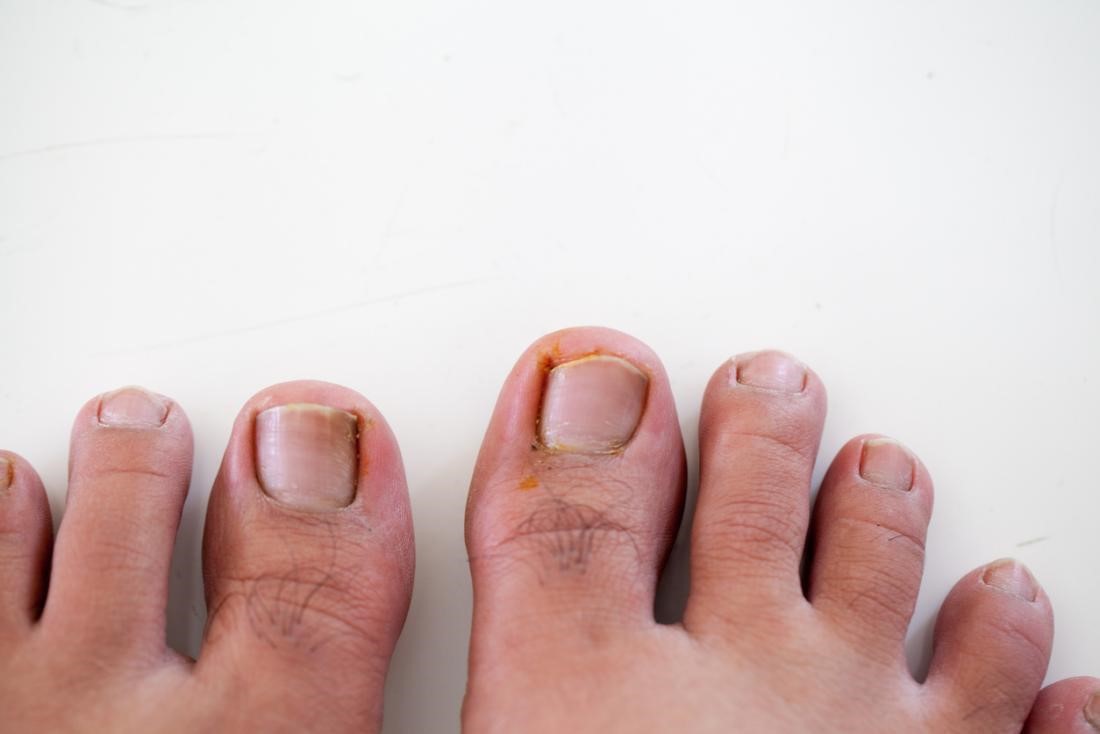
If at-home remedies do not work or you experience recurring ingrown toenails, or if you have an underlying condition like diabetes, it is time to visit a podiatrist to fix ingrown toenails. Prevent infections by treating them as soon as they occur. Mild cases need minor treatments and simple home remedies, while serious cases may need surgical intervention.
If you are looking for expert advice on ingrown toenail treatment, you may want to seek help from a Houston podiatrist. Feel free to contact our office to make an appointment for your ingrown toenail problems. Our foot specialist, Dr. Ejodamen Shobowale can offer you the care you need to keep you pain-free and on your feet.
Home ingrown toenail treatment
For slightly sore and red toenail soak the foot in warm water and place a piece of dry cotton under the corner of the nail. If the inflammation becomes worse that if the pain and swelling increases an antibiotic ointment may help and the doctor may try oral antibiotics before exploring other interventions.
Toenail removal and treatment
Your podiatrist might recommend the following kind of treatment to deal with the ingrown toenail.
Lifting the nail
If the area where there is an ingrown toenail is showing redness with the absence of pus, the doctor may recommend lifting. The nail edge is carefully lifted, and a splint, cotton, or dental floss is placed under. This separates the nail from the skin, helping it grow above the skin edge. This is followed by home care treatment; soak the toe and replace the underlying material daily.
Surgery
The doctor might partially remove the nail or remove the nail and tissue.
Partially removing the nail
For a severe ingrown toenail with redness, pus, and pain, the doctor may opt to trim the ingrown part. During this procedure the doctor will temporarily numb your toe using an anesthetic.
Removing the nail and tissue
If the problem recurs continually, the ingrown toenail doctor might suggest removing a part of the nail and the underlying tissue. This may cause the nail not to grow back or part of it will not grow back. The doctor might use a chemical, laser, or any other surgical method.
After the toenail removal surgery, rest the foot raised for a few hours. Refrain from vigorous exercises such as long-distance walking, exercises, and running for two weeks.
If you have any questions, please feel free to contact our office located in Houston, TX. Our foot and ankle specialist can handle all your foot and ankle issues. We will provide you with the latest diagnostic and treatment methods for all foot-related issues.