Understanding Ingrown Toenails: A Guide for Patients in Cypress, TX
Are you experiencing pain around your toenails? Ingrown toenails are a
Don’t ignore ingrown toenail foot pain — book your exam today. 📞 832-415-1790
common condition that can lead to significant discomfort if left untreated. Residents of Houston and Cypress, TX, often seek consultation with a qualified ingrown toenail doctor to obtain relief and proper care. In this comprehensive guide, we’ll explore what ingrown toenails are, their causes, symptoms, treatments, and preventative measures. Understanding this condition is essential for anyone suffering from foot pain.
What is an Ingrown Toenail?
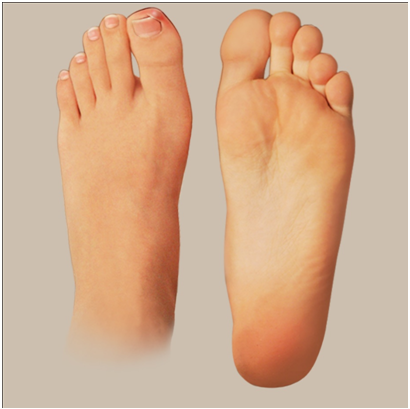
An ingrown toenail occurs when the edge of the nail grows into the surrounding skin. This can lead to redness, swelling, and pain in the affected toe. Ingrown toenails can occur on any toe but are most commonly found on the big toe. The condition can result from improper nail trimming, wearing ill-fitting shoes, or injury.
Causes of Ingrown Toenails
Understanding the causes of ingrown toenails can help in prevention and treatment. Several factors contribute to the development of this painful condition:
1. Improper Nail Trimming
Trimming your toenails too short or rounding the edges can cause the nail to grow into the skin. To prevent this, always cut your nails straight across and avoid curving the edges.
2. Unsuitable Footwear
Wearing tight, narrow shoes can push on your toes and contribute to nail growth into the skin. Opt for shoes that provide ample space for your toes to move freely.
3. Trauma or Injury
Injuries to the toe, such as stubbing or dropping something heavy on it, can lead to ingrown toenails. Take care to protect your feet during activities that pose a risk of injury.
Symptoms of Ingrown Toenails
Recognizing the symptoms of ingrown toenails early can help prevent worsened pain or subsequent complications. Common symptoms include:
Pain and tenderness along one side of the nail.
Redness and swelling around the affected toe.
In severe cases, discharge or pus may emerge from the area.
A feeling of warmth surrounding the toe.
Treatment Options for Ingrown Toenails
If you suspect you have an ingrown toenail, it is crucial to seek treatment promptly. Fortunately, there are multiple approaches available:
1. Home Remedies
For mild cases, soaking the foot in warm water for 15-20 minutes a few times a day can ease pain and swelling. Additionally, using a cotton bud to lift the nail edge slightly from the skin can promote better growth direction.
Partial nail removal: This involves removing the ingrown portion of the nail and may be combined with treatment to minimize future occurrence.
Complete nail removal: For recurring cases, the full nail may need to be removed.
Antibiotics: If an infection is present, antibiotics may be prescribed.
Prevention Strategies
Preventing ingrown toenails is possible through careful attention to nail care and footwear choices. Here are some effective strategies:
1. Proper Nail Care
Cut your toenails straight across and avoid cutting them too short. Regular maintenance will prevent excessive growth into the skin.
2. Choosing the Right Footwear
Opt for shoes that fit well and provide enough room for your toes. Avoid high heels and tight shoes, as they can exacerbate toenail issues.
3. Protecting Your Feet
Wear protective footwear when engaging in activities that could lead to toe injuries. This is crucial for maintaining foot health, especially for those in sports or manual labor.
When to See a Doctor
You should consult with a foot care professional if:
You experience severe pain, redness, or swelling around your toenail.
An ingrown toenail does not improve with home care within a few days.
Signs of infection, such as pus or increasing warmth, are present.
A visit to an ingrown toenail doctor can provide the necessary evaluation and treatment to prevent complications.
Conclusion: Taking Charge of Your Foot Health
Ingrown toenails can be a painful hindrance to daily life, but with proper care, they can be managed effectively. If you suspect you have an ingrown toenail or need advice about foot care, visit DeNiel Foot & Ankle Center today. Our experienced team is dedicated to providing the care you need for a quick recovery.
An ingrown toenail occurs when the edge of the nail grows into the skin, leading to pain and discomfort. Common causes include improper nail trimming, trauma, and wearing tight shoes.
How can I prevent ingrown toenails?
Preventing ingrown toenails involves proper nail trimming straight across and wearing appropriate footwear. Avoid cutting nails too short or rounding the edges to minimize the risk.
When should I see an ingrown toenail doctor?
You should see an ingrown toenail doctor if you experience severe pain, swelling, or signs of infection such as pus. Consulting a professional can help you receive timely treatment.
What are the symptoms of ingrown toenails?
Symptoms typically include pain and tenderness at the nail edge, redness, and swelling. If the condition worsens, discharge may occur, indicating infection.
What treatments are available for ingrown toenails?
Ingrown toenail treatments can range from home remedies, such as soaking your foot, to professional procedures like nail removal. A visit to an expert can help determine the best course of action.
Ingrown toenail is a common medical condition whereby the side or the corner of a toenail grows in the soft flesh. It leads to redness, pain, and swelling and the resultant infection makes ingrown toenail removal a necessity. It is commonly seen in the big toes. Though you can try home remedies for the toenails, it is better to go to a foot doctorto relieve the discomfort and prevent further complications.
Causes of ingrown toenails:
Ingrown toenails can occur in both women and men. This condition is highly common in people whose feet sweats a lot, such as the teenagers. Even the elderly is at a higher risk because the toenails tend to thicken with age. There are multiple reasons why you might develop an ingrown toenail, such as:
Incorrectly cutting the toenails can lead to ingrowth. The toenails have to be cut straight because angling the sides of your nails can make them grow into the skin directly.
Curved or irregular toenails
Footwear that creates a lot of pressure on the big toes, like stocking and socks which are really tight, can cause ingrown toenails. Even shoes those are too narrow, tight, or flat for the feet.
Toenail injury might be the cause, including dropping a heavy object on the foot, stubbing the toe somewhere, or repeatedly kicking a football
Wrong posture
Not maintaining proper hygiene for your feet, like not keeping the feet dry or clean
Genetic causes
Diabetes or other such conditions that leads to loss of proper blood flow to the feet.
The athletic activities that require frequent usage of feet can make you prone to the condition of ingrown toenails. In the activities where you put constant pressure on the feet or kick any object for a long period of time, there is a high risk of your toenail getting damaged and the consequent development of the condition that needs ingrown toenail removal. Some of the sports that generally lead to the condition are:
Football
Soccer
Ballet
Kickboxing
Symptoms of ingrown toenails
Ingrown toenails are not just painful, but the condition also worsens progressively. The earliest symptoms of the condition are:
The skin right beside the nail becomes swollen, tender, and hard
A nagging pain when there is any pressure on that toe
Fluid accumulation around the infected toe.
If your toe has already become infected, then following are the symptoms you will notice:
Continuous pain
The skin around the nail becoming swollen and red
Bleeding or pus oozing out from the corner of the nail
Overgrown skin around the toenails
You need ingrown toenail removalas soon as you can in order to avoid any worsening of the symptoms.
For any questions that you have, get in touch with us at our office in Houston, TX. We have the latest treatment technologies and tools to cure all your foot and ankle conditions. Do not wait for the symptoms to worsen and contact your nearest podiatrists in Houston without further delay.