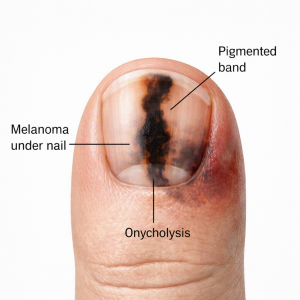
subungual melanoma, a type of skin cancer that develops under the fingernail or toenail
Melanoma of the toenail, a rare but serious type of skin cancer, can be a cause for concern for many individuals. Understanding the signs, symptoms, and treatment options available is essential for maintaining foot health, especially for those at risk. This article aims to provide insightful information about melanoma toenail, emphasizing the importance of prompt diagnosis and treatment.
What is Melanoma of the Toenail?
Melanoma is a type of skin cancer that develops from the pigment-producing cells in the skin known as melanocytes. When this type of cancer arises under the toenail, it is referred to as subungual melanoma. This condition can manifest as dark streaks under the nail, changes in nail color, or other abnormalities. Melanoma of the toenail is relatively rare, accounting for about 1-2% of all melanomas, but it can be particularly aggressive if not treated early. According to the Mayo Clinic, recognizing early signs is crucial for effective treatment.
Signs and Symptoms of Melanoma Toenail
Identifying melanoma toenail can be challenging, as it can be mistaken for other nail conditions. Common signs and symptoms include:
Dark Streaks or Changes in Color: A prominent black or brown streak under the nail that progresses over time.
Nail Deformity: The nail may become discolored, lifted, or irregular in shape.
Fragility: The affected nail may become brittle and prone to breaking.
Pain or Tenderness: You may experience persistent pain in the nail bed.
If any of these signs are noticed, it is important to consult a podiatrist or dermatologist promptly. The American Podiatric Medical Association emphasizes the importance of early detection in improving treatment outcomes.
Risk Factors for Developing Melanoma Toenail
Certain individuals may be more susceptible to developing melanoma under the toenail due to various risk factors. Some common risk factors include:
Skin Type: Individuals with fair skin or those who sunburn easily may be at increased risk.
History of Sunburns: A history of severe sunburns, particularly during childhood, can contribute to risk.
Age: Melanoma can occur at any age but is more commonly diagnosed in older adults.
Family History: A family history of melanoma increases personal risk.
Previous Skin Cancers: Those with a history of non-melanoma skin cancers may be at higher risk.
According to the National Institutes of Health, genetics and environmental factors may also play significant roles in melanoma incidence.
Diagnosis of Melanoma Toenail
Diagnosing melanoma toenail involves a comprehensive evaluation by a healthcare professional. The diagnostic process typically includes:
Physical Examination: The healthcare provider will examine the toenail and surrounding skin for any unusual aspects.
Biopsy: A biopsy may be performed to remove a sample of skin cells for lab analysis. This is the definitive method for diagnosing melanoma.
Imaging Tests: In some cases, imaging tests such as X-rays or MRIs may be ordered to determine the extent of the cancer.
Timely diagnosis is crucial, as early-stage melanoma has a better prognosis than more advanced stages. The Cleveland Clinic notes that new treatment options are continually being developed, underscoring the need for early intervention.
Treatment Options for Melanoma Toenail
When it comes to treatment options for melanoma of the toenail, the approach may vary depending on the stage of the cancer. Typical treatment options include:
Surgical Removal: For early-stage melanoma, surgical excision of the tumor and surrounding tissue is often the primary treatment.
Lymph Node Dissection: In cases where the cancer has spread to nearby lymph nodes, they may need to be surgically removed.
Immunotherapy: Newer treatments known as immunotherapy harness the body’s immune system to fight cancer cells.
Radiation Therapy: This may be recommended in advanced cases where surgery is not possible.
It’s essential to discuss treatment options with a qualified healthcare provider to determine the best course of action based on individual circumstances. The American Orthopaedic Foot & Ankle Society provides resources to help patients understand and navigate these treatment choices.
Conclusion and Call to Action
In summary, melanoma toenail, while rare, poses significant health risks and requires immediate attention. Awareness of the signs, risk factors, and treatment options is crucial for early diagnosis and effective management. If you notice changes in your toenail or have concerns about your foot health, don’t hesitate to reach out for professional help. For residents in Houston and Cypress, our clinic is here to provide expert care. Call us today or book an appointment online to ensure your feet remain healthy and strong!
For patients in Houston and Cypress, TX, our podiatry team provides compassionate, evidence-based care to relieve pain and restore comfort. Call us today at (832) 415-1790 or visit www.denielfootandanklecenter.com to schedule your appointment.
[…] professional advice. Early detection and diagnosis can significantly improve treatment outcomes. Understanding Melanoma Toenail: Signs & Treatments offers more detailed insights into the symptoms to watch […]



Comments
[…] admin Melanoma under the toenail (subungual melanoma) is a serious condition that often goes unnoticed because it […]
[…] professional advice. Early detection and diagnosis can significantly improve treatment outcomes. Understanding Melanoma Toenail: Signs & Treatments offers more detailed insights into the symptoms to watch […]
Comments are closed.