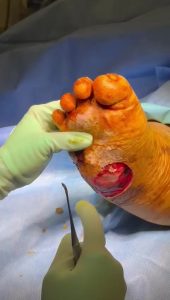
Deep wounds form when pressure, poor circulation, and neuropathy combine
Wound care is a vital aspect of healthcare that focuses on the treatment and management of various types of injuries. In a bustling city like Houston, the need for specialized wound care has grown, particularly among individuals with chronic conditions, diabetic patients, and those suffering from traumatic injuries. Proper wound care not only promotes healing but also reduces the risk of infections and complications. This guide will provide you with essential insights into wound care, its importance, and the best practices to ensure effective management.
Types of Wounds
Wounds can be categorized based on their nature and cause. Understanding the different types of wounds helps in determining the right treatment approach.
Acute Wounds: These are typically caused by injuries, such as cuts or burns, and heal within a predictable time frame. Examples include surgical wounds and lacerations.
Chronic Wounds: Chronic wounds last for an extended period and often require medical intervention to heal. Common examples are diabetic ulcers and pressure sores, which can necessitate specialized wound care protocols.
Traumatic Wounds: These wounds occur due to accidents, falls, or other external factors. Immediate medical attention is often required to prevent complications.
Burns: Burns resulting from heat, chemicals, or radiation can vary in severity, requiring intricate wound care strategies to promote healing.
Importance of Proper Wound Care
Effective wound care is crucial for several reasons:
Promotes Healing: By maintaining an appropriate environment for healing, patients recover faster. The right techniques can significantly decrease healing time.
Prevents Infection: Open wounds can easily become infected. Proper wound management minimizes exposure to pathogens, reducing infection rates, which is vital for cases where underlying health issues like diabetes are present (Cleveland Clinic).
Reduces Complications: Complications from untreated or improperly treated wounds can lead to severe health issues. By managing wounds correctly, you can avoid issues like cellulitis, osteomyelitis, and more.
Improves Quality of Life: Chronic wounds affect patients physically and emotionally. Effective wound care not only heals the wounds but also enhances the overall quality of life.
Wound Care Best Practices
In Houston and surrounding areas, implementing best practices in wound care can optimize healing outcomes. Below are some essential tips:
1. Keep the Wound Clean
Cleaning the wound properly at home is critical. Use mild soap and water, and avoid harsh substances that can irritate the skin. Regular cleaning helps prevent infection and promotes a conducive healing environment (Mayo Clinic).
2. Use Appropriate Dressings
Choosing the right dressing is crucial. There are many types of wound dressings available, including hydrocolloids, foams, and alginates. The choice depends on the wound type and its stage of healing. Always consult your healthcare provider to determine the right dressing for your specific needs.
3. Monitor for Signs of Infection
Be vigilant for signs of infection, including increased redness, swelling, warmth, or discharge from the wound. If these symptoms occur, seek prompt medical attention, as infections can worsen quickly.
4. Manage Underlying Health Conditions
Chronic conditions, such as diabetes and vascular diseases, can impair wound healing. Managing these conditions effectively through medication, diet, and regular check-ups is crucial for optimal recovery.
5. Seek Professional Help
In case of chronic or severe wounds, working with a Houston wound care specialist can make a significant difference. Healthcare professionals have the expertise to provide tailored care and advanced treatment options based on individual needs.
Advanced Wound Care Treatments
There are several advanced treatment methods available for managing complex wounds. These include:
Negative Pressure Wound Therapy (NPWT): This technique employs a vacuum dressing to promote healing by drawing out fluid from the wound and increasing blood flow to the area. NPWT is often used for chronic wounds, surgical sites, and to prepare wounds for skin grafting.
Skin Grafting: For severe or non-healing wounds, skin grafting may be necessary. This procedure involves taking skin from another part of the body and placing it over the wound to encourage healing.
Hyperbaric Oxygen Therapy: This involves breathing pure oxygen in a pressurized environment, which can stimulate the healing process in chronic wounds, particularly in diabetic patients (NIH).
Conclusion
Wound care is an essential component of healthcare that significantly impacts recovery, especially in a diverse and bustling city like Houston. Understanding the types of wounds, the importance of proper care, and the best practices can empower individuals to take charge of their health. Whether dealing with a simple cut or a chronic wound, seeking professional help is vital for effective management and recovery. If you or a loved one is in need of expert wound care in Houston or the Cypress area, don’t hesitate to reach out. Our dedicated team is here to provide you with personalized care and support throughout your healing journey.