Ankle sprains are one of the most common injuries, particularly among athletes and active individuals. Whether it’s due to a misstep during a workout or a sudden twist while playing sports, an ankle sprain can bring your activities to a halt. Choosing the best ankle brace for a sprain is crucial for recovery and preventing future injuries. In this article, we’ll explore what an ankle sprain is, the types of ankle braces available, how to properly use them, and tips for effective recovery.
What is an Ankle Sprain?
An ankle sprain occurs when the ligaments that support the ankle stretch beyond their limits and tear. This injury typically happens when the foot rolls inward or outward, causing the ankle to twist awkwardly. According to the Mayo Clinic, symptoms of an ankle sprain can include pain, swelling, bruising, and restricted range of motion.
Types of Ankle Sprains
Grade I: Mild stretching or microscopic tearing of ligaments. Pain and swelling are generally minimal.
Grade II: Moderate stretching and partial tearing of ligaments. More intense pain, swelling, and bruising.
Grade III: Complete tear of a ligament. Severe pain and instability in the ankle.
Why Use an Ankle Brace?
Using an ankle brace is vital for providing support and stability during recovery from an ankle sprain. An appropriate brace can help manage swelling, reduce pain, and prevent further injury as you gradually return to your activities. The National Institutes of Health emphasizes the importance of using a brace, particularly for those with a history of sprains, as it can reduce the risk of future injuries.
Types of Ankle Braces
When looking for the best ankle brace for a sprain, you’ll typically encounter three main types:
Compression Sleeves: These provide minor support and are best for mild sprains. They improve blood circulation and reduce swelling.
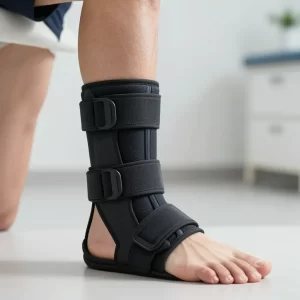
Rigid Braces: Featuring a hard outer shell, these braces provide maximum stability and are recommended for moderate to severe sprains.
Ankle Taping: Although not a brace, taping is an effective way to stabilize the ankle and can be used in conjunction with braces.
Choosing the Best Ankle Brace
When selecting the best ankle brace for your sprain, consider the following factors:
Level of Support: Choose a brace that provides the level of support you need based on your sprain severity.
Material: Look for breathable and moisture-wicking materials; this ensures comfort during extended wear.
Size and Fit: Ensure that the brace fits snugly but is not overly restrictive to prevent blood flow issues.
Consulting with a healthcare provider or sports injury specialist can be beneficial in this process, as they can help you find the best fit for your unique situation.
How to Properly Use an Ankle Brace
For maximum benefits, follow these guidelines while using an ankle brace:
Always apply the brace before engaging in any physical activity to offer the ankle support it needs.
Wear the brace as directed, typically during all activities but with breaks to allow for airing out.
Monitor the fit; if you experience discomfort or numbness, reassess the fit.
Recovery from an ankle sprain involves not just rest, but also actively engaging in rehabilitation practices. Here are some tips to enhance recovery:
Rest: Avoid putting weight on your ankle for the first few days after the injury.
Icing: Apply ice packs to reduce swelling, ideally in 20-minute intervals every few hours.
Elevation: Keep the ankle elevated above heart level to minimize swelling.
Physical Therapy: Once healed, consider seeking guidance from a physical therapist to strengthen the ankle and improve stability.
Additionally, adding targeted exercises can help rebuild strength and flexibility. Cleveland Clinic suggests that as you progress, light range-of-motion exercises can be beneficial in restoring function.
Conclusion
Understanding how to choose and properly use the best ankle brace for a sprain is essential for a speedy recovery. Whether you are an athlete returning to the field or just looking to stay active, investing in the right brace can make a significant difference. If you’re in Houston or Cypress and are dealing with an ankle injury, we encourage you to contact our clinic for a consultation. Our team is dedicated to providing tailored solutions to help you get back on your feet.
Contact us today to schedule your appointment!
Whether you’re dealing with ongoing discomfort or a new foot concern, our Houston and Cypress podiatrists offer personalized treatment plans tailored to your needs. Call (832) 415-1790 or visit our clinic website.



Comments
[…] Best Ankle Brace for Sprains: Support & Recovery Tips […]
Comments are closed.