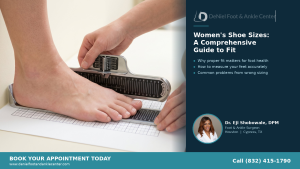
The right shoe size isn’t a luxury — it’s foot health. Learn how to measure accurately and avoid common sizing mistakes.
Choosing the right shoe size is essential for comfort and foot health, especially for women. Many factors can influence shoe sizes, such as foot shape, lifestyle, and brand differences. This guide will delve into the intricacies of women’s shoe sizes, helping you make well-informed decisions when shopping for footwear.
Understanding Shoe Sizes for Women
The standard shoe sizing system for women in the United States ranges typically from size 5 to size 12, but this can vary based on the manufacturer. It’s crucial to remember that shoe sizes are not universal; different countries have their own sizing standards.
In the U.S., women’s shoe sizes are often sized in relation to men’s. A general rule of thumb is that women’s sizes are typically 1.5 sizes larger than men’s (a women’s size 8 would be approximately equivalent to a men’s size 6.5). According to the American Podiatric Medical Association, understanding these differences can prevent fit challenges when shopping international brands.
Factors Affecting Shoe Size
Several factors can impact what size shoe is most appropriate for you:
Foot Shape: The width and arch height of your foot significantly affect fitting. Some brands offer wide or narrow options, which can provide a more comfortable fit. If you have a high arch, choose shoes with arch support.
Swelling: Feet can swell due to heat, activity, or pregnancy. It’s often recommended to fit shoes later in the day when your feet are slightly swollen to ensure a better fit.
Age: Women’s feet can change over time; they may widen or flatten with age. Keeping track of these changes can help maintain proper footwear fit and foot health.
How to Measure Your Foot Size Accurately
To find your accurate shoe size at home, you can follow these steps:
Stand on a piece of paper with your heel against a wall.
Mark the longest part of your foot on the paper.
Measure the distance from the heel to the mark in inches or centimeters.
Use a Mayo Clinic shoe size chart to determine your size based on this measurement.
Sizing Variations Across Brands
As previously mentioned, shoe sizes can differ between brands. It’s crucial to try shoes on if possible, or read reviews regarding how closely the shoe sizes align with true-to-size measurements. Specialty brands might also carry shoes in different widths.
Some popular brands that cater specifically to women’s feet include Nike, Adidas, and Clarks. They often provide information regarding the fit of their shoes to guide consumers in their choices.
Common Issues Due to Incorrect Shoe Sizes
Choosing the wrong size can lead to various foot problems, including:
Bunions: These are often caused by wearing shoes that do not fit properly and can create long-term issues.
Plantar Fasciitis: Wearing shoes that lack proper support can contribute to this painful condition.
Blisters and Calluses: Ill-fitted shoes can cause friction, leading to skin irritation.
Finding the correct shoe size is critical for maintaining not only comfort but also an overall healthy lifestyle. Make it a habit to measure your feet regularly and understand how varying factors influence your shoe size. If you’re in Houston or Cypress and need assistance selecting the right footwear, our clinic offers consultations to help you choose shoes that keep your feet happy and healthy.
Don’t let foot or ankle pain slow you down. Our podiatry team proudly serves patients in Houston and Cypress, TX. Call (832) 415-1790 or book online at www.denielfootandanklecenter.com.