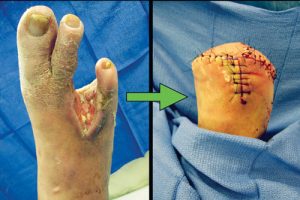
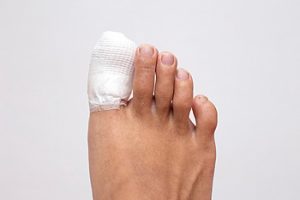
Morton neuroma is the thickening of the tissue around leading to the toes. This is a painful foot condition that affects the ball of your foot, especially in the middle of the third and fourth toes. The pain is sharp and burning and sometimes your toes feel numb. With Mortons feet, you always feel like you are standing on a fold in your sock or as if you are standing on a pebble.
Diagnosis
The neuroma specialist conducts a physical examination by pressing on the foot to determine the tender spot. Further examination is recommended to rule out other issues that could be causing the foot pain. An ultrasound would be the best exam because it uses sound waves to create a real-time image of the internal structures of the body. It will reveal the abnormalities of the neuromas. An x-ray can be done to rule out foot pain causes like a stress fracture. The MRI (Magnetic resonance imaging) uses a strong magnetic field and radio waves to visualize the soft tissues such as the neuromas. This is used when the patient is showing no symptoms of Morton neuromas, but the doctor suspects it could be the issue causing the patient discomfort.
Morton’s neuroma can be uncomfortable and painful to live with. If you think you have Morton’s neuroma and need neuroma treatment, please reach out to the podiatrist at DeNiel Foot and Ankle Center. Their doctor, Dr. Ejodamen Shobowale will take care of all your foot and ankle needs plus answer any questions related to foot issues.
Risk factors contributing to Morton’s neuroma
Foot deformities such as hammertoes, bunions, flat feet, high arches leave the patients susceptible to the development of this condition.
High heels or ill-fitting shoes and too-tight shoes, put extra pressure on the ball of the foot and your toes.
High impact athletic activities such as running or jogging, are subject to repetitive trauma to the feet. Also, sports that feature tight shoes such as rock climbing or skiing put pressure on your shoes.
Overweight people risk getting Morton neuroma because once they wear a high-heeled shoe the extra weight puts extra pressure on the feet.
Managing neuroma foot
There are various ways of managing the foot condition to improve the symptoms
Relieve pressure off the foot by using over the counter shoe pads.
Wear more supportive shoes with a wide toe box. If they have laces avoid tying them too tight. It is recommended that you wear shoes with proper insoles and shock-absorbent soles.
Avoid pointed toed shoes or too tight shoes. Wear shoes whose heels are not more than 2 inches.
Apply ice to the inflamed area to reduce swelling and pain.
Rest your feet as much as possible.
Massage the painful area of the foot.
Wear proper athletic footwear with enough padding to cushion the balls whenever you’re taking part in sports or exercising.
Reduce or manage your body weight so that you improve on the amount of pressure put on your feet.
Neuromatreatment
Medications
Drugs temporally relieve symptoms of Morton’s Neuroma including pain, though, using medications for long is highly discouraged. Some of the medications used include corticosteroid injections and alcohol sclerosing injections. There are anti-inflammatory drugs that are taken orally to reduce inflammation such as aspirin and ibuprofen. You can have an anesthetic injection to temporarily relieve the pain through numbing the affected nerve.
Orthotics
Custom designed shoe inserts that reduce the pain by offloading the pressure off the nerve. The metatarsal pad is placed in the shoe insole for effective working. Custom made shoe inserts are individually designed to fit the different contours of your foot.
Surgery
When medication and management methods do not effectively relieve pain surgery is the next option. The surgical procedure known as neurectomy is used to remove part of the nerve tissue. Before the neurectomy is performed there is a procedure called cryogenic Neuro ablation therapy. In this procedure, cold temperatures are applied to the nerves to destroy the sheath that covers the nerve and the nerve cells. Patients who have undergone this therapy are less likely to experience the symptoms of Morton neuroma again.
Decompression surgery can be done by cutting the structures nearby the nerve to relieve the pressure. Some of the structures removed include ligaments that bind the bones.
A bunion can be painful, and affects the function and movement of the joint. A foot doctor might recommend surgical intervention to offer instant relief. Minimally invasive bunion surgery Houston
is becoming a popular option for treatment that started with the Kramer osteotomy and K-wire.
Why should you consider minimally invasive bunion surgery Houston? Minimally invasive surgery is preferred for mild and moderately painful bunions since
it facilitates easier recovery. For severe bunions, patients undergo open surgery to fix the symptoms of the condition.
The term minimally invasive encompasses a variety of incisional approaches and bunion correction methods. The techniques have been evolving over the past decades.
Best bunion surgeons successfully execute realignment using minimally invasive techniques. Depending on the severity of the bunion, several correction methods are used,
such as realignment osteotomy (bone cutting and bone shaving) or fusion that is bone mending.
Podiatrists use specialized equipment that allows bony correction through small incisional portals made on the skin of the foot.
Minimally invasive bunion surgery Versus bunionectomy
Use of high speed, small cone-shaped bone burs to shave and cut the bony segments, while bunionectomy uses large flat bone saws.
Tiny incisions made during the surgery allow quick recovery while bunionectomy is open surgery that takes significant time to recover.
Experience less after surgery pain that goes away after a short period, allowing you to back to your activities,but after a bunionectomy, you need physical therapy to build strength in your joints.
A short operative and recovery time while for bunionectomy you might not be able to walk for a few weeks.
Minimally invasive procedures offer bunion correction with minimal trauma and disruption of the overlying soft tissue and skin.
Are you the best candidate for minimally invasive bunion surgery?
When conducted by the best bunion surgeon, most bunions can be corrected using minimally invasive techniques. Moderate bunions are easy to correct,
as compared to large and small bunions. Large bunions might require stable fixation and translations, while small bunions pose a challenge orienting the surgical hardware.
A minimally invasive procedure is ideal for active and healthy patients although these surgical procedures are not the best for every bunion patient.
Arthritic patients may require different surgical procedures. Smoking is not a contradiction in best bunion surgery; however, it might delay the bone healing process after surgery.
For patients with osteoporosis, the bone quality might require a restrictive postoperative course.
Are there potential complications?
Minimally invasive procedures are not immune to post-surgical complications. Some complications are more amplified, while other complications have fewer effects.
Other bunion surgery complications include infections, recurrence, regional pain syndrome, and joint stiffness.
A minimally invasive realignment with screw fixation has fewer complications and superior outcomes, making it the best bunionectomy procedure.
The techniques and procedures, continue to evolve due to the emergence of new surgical screws and specialized instruments.
Houston bunion surgery today allows tiny incisions, walking recovery, and an easy recovery process.
Over at the DeNiel Foot and Ankle Center in Houston , Texas, covering surrounding areas such as Katy, and Cypress, TX. For all your podiatry
and sports medicine needs, Ejodamen Shobowale, DPM and her highly qualified staff provide personalized comprehensive care.
Dr. Sho, as she is affectionately called, will get you back on your feet in no time, regardless of the patient’s issue.
Foot problems in the elderly develop due to the aging process, poor circulation, and systematic diseases. The common causes of pain are disability, skin problems, calluses, corns, and nails. They can lead to structural problems and disorders that can cause the seniors immobility for a while. When seeking geriatric foot care, consult a foot health specialist who can identify minor and serious foot problems and conditions, and treat them accordingly.
How to offer elderly foot care services
With aging, feet become wider and flatten because the fatty padding wears down. The joints and bones are exposed to tear and wear. There are elderly foot care services that are readily available for seniors.
Maintain good feet hygiene
Whether an older adult needs help with bathes, the feet should be washed at least once a week. Maintaining foot hygiene prevents viral, bacterial, and fungal infections. Foot cleaning can be done outside the shower. Regular foot wipe downs and foot massages promote relaxation and elevate blood circulation.
Moisturize the feet
Older adults have drier skin that is more prone to breaking, flaking, and cracking that causes open foot sores. After thorough washing and drying the feet, apply a lotion that locks in moisture to keep the skin supple and soft. Cover the feet with cotton and acrylic blend socks for warmth and comfort.
Toenail cutting service for the elderly
It is a crucial part of foot care because overgrown toenails interfere with mobility and cause pain. However, toenail cutting service should be done by a podiatrist for elderly especially, if the older adult has health conditions such as diabetes or dementia to avoid causing discomfort, fear, or paranoia.
DeNiel Foot & Ankle Center specializes in geriatric foot care treatment. Feel free to contact our office to book an appointment with our podiatrist. Our Houston foot specialist, Dr. Ejodamen Shobowale can provide your elderly one with the care needed to keep them pain-free and on their feet.
Regularly examine the feet
You need to closely monitor the senior’s feet and take note of any cracks, cuts, splinters, pressure sores, and blisters. The most common location for bedsores is on the heels of the feet. If the senior spends most time in bed or a chair, pressure or irritation on the skin can cause tissue breakdown. If these injuries do not show improvement within 24 hours, contact a specialist.
Proper footwear
As I age, I also need to contact senior foot care near me in Houston to have my feet measured to get the right shoe sizes. Oversize or small size shoes affect the comfort levels of the feet that can cause blisters and other ailments that can impair mobility. The shoe heels should not be higher than 1 inch, and they should support the foot arch type.
Proper elderly foot care is given to non-diabetic and diabetic elderly patients. Minor foot abnormalities that are preventable may lead to severe foot problems if not attended to on time. Injuries can impair the function of the feet and cause mobility and balance issues to the elderly. Podiatrists are well trained to give foot care programs following the pathophysiology of foot injuries and provide nail care.
Toenail fungus is caused by mold or yeast, which affects the fingernails and toenails. Yeast infections occur on fingernails and it affects 3 to 12% of the population, but more prevalent in older people. Fungal nail infection causes the nails to be brittle and change color. Mild conditions might need self-care steps and treatment. If the nail fungus is painful and the nails have thickened, you will need medical attention.
Symptoms of toenail fungus
Brownish or whitish-yellow nail discolorations.
Thick and brittle and crumbly nails.
Change in the shape of the nail.
The affected part of the nail detaches from the nail bed.
Dark colors due to debris build under the nail.
Slightly smells foul.
Risk factors which leave one susceptible to foot fungus infections include:
Athlete’s foot
Contact with infectious fungi surfaces in saunas or swimming pools.
Fungal nail infections are treated depending on the severity and the type of fungus causing the condition. A podiatrist determines this by scraping off some of the affected areas and sending it to the lab. The doctor may prescribe antifungal drugs for application or taking orally. Sometimes a combination of topical antifungal therapies and oral therapies works best.
Looking for toe fungus treatment Houston? To get expert advice on foot and ankle issues, you may want to seek help from the best doctor for nail fungus in Houston. Feel free to contact our office to make an appointment for your toenail fungus treatment. Our foot and ankle specialist, Dr. Ejodamen Shobowale will provide you with the care you need to keep you pain-free and on your feet.
Oral antifungal drugs are usually the first choice because of their ability to clear infections quickly than topical drugs. The drugs help the nail to grow slowly replacing the infected nail. Usually administered for six to 12 weeks, though the results usually visible later, after the nail grows completely. Higher success rates are noticed in people less than 65 years of age.
Side effects include skin rash and rare cases of liver damage. So multiple blood tests are administered to monitor how the drugs are working. These are not advisable for people with congestive heart failure or liver disease.
A topical nail lacquer (Ciclopirox). It is a medicated nail polish which is prescribed by the doctor. The nails are painted once a day for seven days, then wipe the layers with alcohol and start afresh application. This is used for almost a year.
Antifungal medicated cream rubbed into the nails after soaking. The creams are more effective on thin nails; the medication gets through the hard nail surface to the fungus. To thin the nails, apply a lotion containing urea or have a doctor thin the surface of the nail.
Laser treatment which removes damaged areas of the skin or nail.
In some cases, the doctor might recommend surgery for foot fungus removal.
Self-care
Use soap and water to wash the feet and dry using a clean towel, dry well between the toes. Keep the toenails shorter by trimming across and keep the ends shorter. Wash the tools you use on your feet and wipe them clean with rubbing alcohol. Avoid nail polish because it will cover the affected nails and avoid the fungus from going away.
Immediately you notice white markings, use over the counter antifungal creams. Thin and trim the nails to reduce pressure on the nails. If you have any questions, please feel free to contact our office located in Houston, TX. Our foot fungus specialist can handle all of your foot and ankle issues. We will provide you with the latest diagnostic and treatment methods for all foot blister related issues.
Modern med icine is attractive; there is a specialist for every part of the body. The feet are not an exception and you need a podiatrist to keep them fully functional. If you are certain of what you want, seek a specialist for your foot issues. Podiatrists are masters who deal with problems affecting lower legs and the feet. Foot injuries and conditions vary; some podiatrists specialize in sports injury, biomechanical, surgery among other conditions while others specialize in more than one condition. Podiatric medical schools are responsible for training, followed by years of residency training. Podiatrists prescribe drugs, do surgeries, order lab tests, reset broken bones and order x-rays.
If you are looking for some expert advice on foot and ankle issues, you may want to seek help from the best podiatrist in Houston. Feel free to contact our office to make an appointment with our Houston foot doctor. Ourfoot and ankle specialist, Dr. Ejodamen Shobowale can provide you with the care you need to keep you pain-free and on your feet
What to consider when choosing a podiatrist.
Experience
Find one who specializes in medical and surgical services if you need, both administrations in your foot issues. An experienced podiatry expert comes up with the best diagnosis and the right treatment choices for foot pains and conditions. It’s critical to check how long they have been in the industry. A few conditions are intricate you need a specialist who can treat complex issues of the feet and one who has the right treatment approach.
Look for references
Get your friends, family members, and relatives to seek reviews of an experienced podiatrist in Houston. The best individual to tell would be one who has endured foot pain or foot injury. The numerous opinions you seek the better for you to compare and decide on the best.
Should emphasize the significance of orthotics
The best podiatrists understand the importance of orthotics. This is because they correct various foot conditions before they become complex. Proper utilization of proper shoe inserts can deal with plantar fasciitis.
Convenience
There are a few interesting points when searching for a podiatrist who will work with you. Part of getting the right treatment depends on if the doctors working hours fit your schedule and do they accept your health insurance. You need to spare each penny in your pocket and getting specialist who acknowledges your medical coverage is vital. Where is the doctor located? Is it accessible by you?
Existing medical condition
Some ailments most likely cause foot conditions. Settle for a foot doctor who is familiar with foot complications that come from pre-existing conditions such as diabetes.
Why do you need to see a podiatrist?
If you start running regularly, have your feet assessed to get recommendations for the right athletic shoe.
If you notice peeling or scaling of the feet.
III. When you experience joint pain in the ankles, heels, and feet, especially if they are red, delicate, swollen or tender and they limit daily activities.
If you are diabetic, you are susceptible to foot problems. Make a podiatrist visits part of your health care routine to avoid complications which can result in amputation.
If you have discolored or thick, or stubborn ingrown toenails.
If you suspect you might have suffered a broken bone, sprain or strain.
VII. If you have wart-like growths
VIII. If you have a callus or corns that are bothersome.
If you notice cuts or cracks on the skin.
If you have athlete’s foot that doesn’t improve after some.
What to expect on your visit to the Houston foot doctor?
The principal visit resembles other specialist’s visit, the podiatrist will ask questions about medical history; mention medications you are on and medical procedures you have undergone.
Assessment of your walk, stand, range of motion and your shoe fit. A podiatrist treats ingrown toenails, bunions, lower back pain, heel pain, foot deformities and blood circulation to your feet for diabetic patients. The podiatrist can recommend physical therapy, orthotics or padding.
Most importantly, choose a podiatrist you are comfortable with. The feet are a very important part of your body. If you have any questions, please feel free to contact our office in Houston, TX. Our Houston foot specialist can handle all of your foot and ankle issues. We offer the latest diagnostic and treatment methods for all foot and ankle related issues.
Also referred to as Hallux valgus, it is a painful bump which is bony and it develops in the big toe joint inside the foot. Besides, one can suffer from a tailor’s bunion which forms alongside the fifth metatarsal alongside the little toe. The development is slow, gradually changing the structure of the bones and the pressure causes the toes to lean towards each other.
Who’s prone to the development of a bunion?
Greater prevalence is in women because of the belief that they wear narrow, tight shoes that squeeze the toes, which favors the development of a bunion. The problem can be exacerbated because the body’s weight is pushed forward and the toes are forced in front. However, narrow shoes are not the underlying cause of developing bunions.
They also run in families, especially among people with flat feet, low arches, tendons, and loose joints are more prone to bunions.
The shape of the top of the first metatarsal bone is also a determinant because if it is too round it is more likely to deform upon squeezing.
Some occupations require lots of standing, dancing, and walking such as nursing, ballet dancing, and teaching. People in these occupations are more susceptible to bunions.
Pregnant women are more likely to develop bunions because hormonal changes cause the feet to flatten and ligaments loosen.
Arthritis patients are at a higher risk of developing bunions because it damages the cartilages within joints.
If you are looking for some expert advice on bunions, you may want to seek help from a podiatrist. Feel free to contact our office to make an appointment with our podiatrist. Our foot and ankle specialist, Dr. Ejodamen Shobowale will provide you with the care you need to keep you pain-free and on your feet
Relieve pressure off the foot bunion by wearing the right shoes that are wide with enough room for toe movement. Good shoe choices include shoes made from soft leather, sandals, and athletic shoes.
Wear low heeled shoes not higher than an inch.
Protect the bunion with a gel-filled pad or moleskin; they are readily available at drugstores. Have spacious shoes to accommodate the pads.
Wear shoe inserts (semisoft orthoses) that will correctly position the feet.
Wearing a splint at night eases discomfort and holds the toe straight.
Use non-steroidal anti-inflammatory drugs, warm soaks, and ice packs to relieve pain. Cortisone injection temporarily reduces inflammation.
Massage, ultrasound, and whirlpool may provide relief.
Bunion surgery
Bunions can be removed via a surgical procedure to correct the deformed area; the procedure is known as a bunionectomy. There are different types of removal procedures which will remove the bunion and realign the big toe. A specialist determines the kind of procedure that should be done depending on how it developed and the size.
You are eligible for surgery if
Bunion pain restricts you from accomplishing daily activities.
If you can’t walk a few blocks without foot pain.
Even after medication and rest, the big toe remains swollen and painful.
If you cannot bend or straighten the big toe.
There are three main procedures a surgeon performs
Osteotomy where the big toe joint is cut to realign in a normal position.
Exostectomy where the bunion is removed without doing an alignment.
Arthrodesis where the surgeon replacing the damaged joint metal plates and screws in a bid to correct the deformity.
After a bunion removal, full recovery can take at least four months.
Keep track of the shape of the feet as they develop. Exercise the feet by picking small objects with your toes to strengthen them. Avoid high heels and wear shoes that fit properly without cramping your toes together. If you have any questions, please feel free to contact our office located in Cypress, TX. Our Cypress office can handle all of your foot and ankle issues. We will provide you with the latest diagnostic and treatment methods for all bunion related issues.