At first, toenail fungus may seem like a small problem but for many people it can become chronic and uncomfortable, disrupting day-to-day living. This condition has a medical name: onychomycosis. It causes nails to become thick, discolored, brittle and, in many cases, painful. If not treated, toenail fungus will worsen in appearance and possibly spread to the point that it makes wearing shoes uncomfortable or even painful to walk.
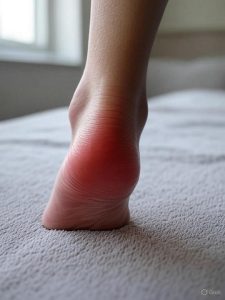
Heel pain can completely take over your life. Everything you do, whether it’s walking, standing, or even exercising, can be virtually unbearable. For many patients, ongoing heel pain is often caused by a heel spur, which is an outgrowth of bone on the underside of the heel bone. If you are currently struggling with chronic heel pain and you’re thinking about your options for relief, understanding treatment for heel spurs and everything to expect before and after the procedure can help you find a path to lasting relief.
Introduction: The Shoe-Size Scandal You’re Not Seeing
Picture this: Your kiddo sprints through the park, climbs
Think your child’s shoes fit? Think again. Poor fit leads to foot pain, gait issues, and more
jungle gyms like a mini-Spider-Man, and somehow outgrows their shoes faster than you can say, “Wait, didn’t we just buy these?!” But here’s the sneaky truth—those shoes might’ve been too small before they started feeling tight.
The Achilles tendon is the largest tendon in your body. It connects your calf muscles to the heel bone. Although it is one of the strongest tendons in the body, it is still vulnerable to injuries, especially amongst athletes or individuals partaking in repetitive physical activity. In some instances, significant injuries (or chronic pain to the Achilles tendon) may require Achilles tendon surgery to return you to normal function and relieve pain.
Plantar fascia, is a connective tissue that extends the entire bottom part of the foot
Chronic foot pain can hinder one’s routine activities, decreasing mobility and affecting the overall quality of living. Millions of people suffer from plantar fasciitis heel pain every year. With attention to detail and a personalized treatment plan, plantar fasciitis treatment can be managed effectively so you can remove the burden of heel pain.
Golf may be relaxing, but foot pain doesn’t have to come with it.
Let‘s be real—life is not back to normal. Between hybrid work schedules, ever-changing routines, and that relentless Houston heat, we have all had to adapt. For former runners or gym-goers, that adaptation comes in the form of golf.
Yeah, golf has become the unexpected superstar of post-pandemic sports. But here’s the thing: while it might seem like a leisurely activity (especially if you’re riding in a cart with a cold drink), walking 18 holes is no joke for your feet. Golf can lead to painful foot problems if you are not careful.