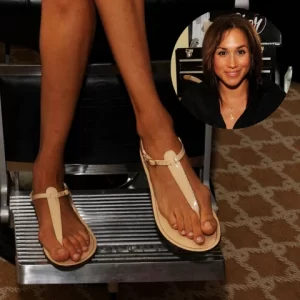
Bunions—medically known as hallux valgus—are far more common than most people realize. While they’re often associated with everyday foot pain sufferers, bunions also affect celebrities, models, and athletes who spend years in narrow shoes or high heels. Seeing bunions on well-known figures helps normalize a condition that impacts millions of Americans, including many patients we see in Houston and Cypress, TX.
In this article, we’ll cover:
Celebrities commonly photographed with bunions
A clear medical explanation of what bunions are
When bunions become painful or progressive
Modern treatment options, including minimally invasive surgery
What to do if you live in Houston or Cypress and are dealing with bunion pain
Celebrities Commonly Seen With Bunions
Over the years, paparazzi and red-carpet photos have shown visible bunions on several well-known figures, including:
Victoria Beckham Bunions
Victoria Beckham – Often cited due to decades of wearing high heels and pointed-toe shoes
Naomi Campbell – A supermodel whose bunions highlight the toll of long runway careers
Naiomi Campbell Bunions
Sarah Jessica Parker – Known for her shoe culture, yet frequently photographed with forefoot deformities
Oprah Winfrey – Shows that bunions affect people of all lifestyles, not just fashion icons
Meghan Markle Bunions
Megan Markle – Mild to moderate bunion changes seen in open-toe footwear
The takeaway? Bunions are common, human, and biomechanical—not cosmetic flaws.
What Is a Bunion? (Medical Explanation)
A bunion is a structural deformity where:
The big toe drifts inward toward the second toe
The first metatarsal bone shifts outward, creating a visible bump
The joint becomes inflamed, unstable, and painful over time
Common Causes
Genetics (the biggest factor)
Narrow shoes or high heels
Flat feet or abnormal foot mechanics
Arthritis or ligament laxity
Symptoms
A visible bump at the base of the big toe
Pain with walking or shoes
Redness, swelling, or burning
Overlapping toes or hammertoes
Difficulty finding comfortable footwear
Without treatment, bunions often progress, becoming more painful and harder to manage conservatively.
When Should a Bunion Be Treated?
You should see a podiatrist if you experience:
Daily or worsening pain
Trouble wearing normal shoes
Swelling or redness that doesn’t improve
Calluses, corns, or second-toe pain
Activity limitations (walking, exercise, work)
Early intervention can slow progression and reduce pain, often delaying or preventing surgery.
Bunion Treatment Options (From Conservative to Surgical)
Non-Surgical Treatments
Best for early or mild bunions:
Shoe modification & wider toe boxes
Custom orthotics to reduce joint stress
Padding and spacers
Anti-inflammatory treatments
Activity modification
Minimally Invasive Bunion Surgery
For moderate to severe or painful bunions:
Tiny incisions (often 2–3 mm)
Bone realignment with minimal soft-tissue disruption
Less swelling and scarring
Faster recovery compared to traditional surgery
Often outpatient, same-day walking in a surgical shoe
Modern techniques have made bunion surgery far more predictable and patient-friendly than in the past.
Before & After: Bunion Treatment Results
These visuals show how correcting the underlying bone alignment—not just shaving the bump—restores function, reduces pain, and improves shoe comfort.
Bunion Care in Houston & Cypress, TX
At DeNiel Foot & Ankle Center, we evaluate bunions based on:
Pain level
Foot structure and biomechanics
X-ray alignment
Lifestyle and activity goals
We specialize in evidence-based, patient-specific care, including advanced and minimally invasive bunion correction when appropriate.
Call to Action
Living with bunion pain isn’t something you just “have to accept.” For patients in Houston and Cypress, TX, our podiatry team provides compassionate, evidence-based care to relieve pain and restore comfort.
📞 Call (832) 415-1790 to schedule your bunion evaluation 📍 A convenient location serving Houston & Cypress 👣 Walk comfortably again—without waiting years