Enjoying a Fourth of July celebration with fireworks — foot care tips from DeNiel Foot & Ankle Center in Houston.
The Fourth of July is one of the busiest days of the year for our feet. Between backyard barbecues, neighborhood parades, pool parties, and firework displays, your feet carry you through hours of standing, walking, and — let’s be honest — a fair amount of barefoot celebrating. All of that summer fun can add up to real discomfort, or even injury, if you aren’t paying attention.
From new dads to grandpas, men’s feet change with age.
Father’s Day is not about grilling and gifts—it is the perfect time to talk about something dads often ignore until it is too late: their feet! Whether your dad is chasing toddlers, hitting the gym, or enjoying retirement, his feet have undergone significant changes over the years. At Deniel Foot & Ankle Center, your trusted Houston podiatrist, we understand how aging, hormones, and lifestyle factors impact men’s foot health.
Person trimming their toenails straight across with clippers, beside a Correct vs. Incorrect Trim diagram showing how to prevent ingrown toenails — DeNiel Foot & Ankle Center.
The best way to avoid having ingrown toenails come back is to cut your toenails straight, wear comfortable shoes, take good care of your feet, and treat any conditions that may be causing them. The vast majority of cases where Ingrown toenail surgery Houston reappears are due to incorrect cutting of the nail, wearing narrow or tight shoes, repeated pressure on the toes, or naturally curved nails.
Understanding the recovery process can make or break your experience after having bunions treatment done or if you’re thinking about it. The first part of recovery, no matter what type of bunion surgery you had performed, is a long process with many different phases along the way. Each week following your bunion operation will bring new accomplishments, whether it be dealing with pain, regaining strength, or trying to resume your usual daily routines; understanding what guidelines to follow is important. It’s important to note that bunion surgery recovery isn’t just about lounging on the couch watching your favourite shows; it is about following a systematic, structured way of increasing your foot’s ability to heal quickly and correctly! Most patients who inform themselves before the operation and have a solid understanding of procedures that need to be followed will end up with much smoother/excellent results than their non-informed counterparts. This comprehensive guide will provide you with everything necessary to know about bunion surgery recovery, from the day after your surgery until you can resume full activity.
How to protect your metatarsal bones with proper footwear
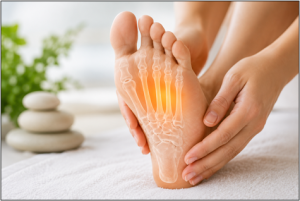
The metatarsal bones play a major role in maintaining balance, supporting body weight, and helping the feet move comfortably throughout the day. These long bones are located in the middle section of the foot and connect the toes to the ankle area. Whether a person is walking, running, standing for long hours, or participating in sports activities, the metatarsal bones absorb pressure and distribute weight evenly across the foot. When these bones are not properly cared for, discomfort and mobility issues can quickly develop.
Know the difference between plantar warts and corns?
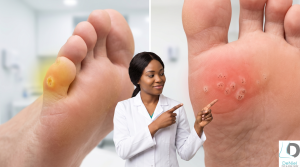
Having pain in your feet can make your daily tasks hard to manage, be it walking, exercising, or even standing for hours on end. One of the most confusing foot conditions is the differentiation of corns and plantar warts, although they may resemble each other, they are entirely different from each other and should be treated differently.
For some, they look up the top remedies for corns or seek over-the-counter treatments for them without knowing if their corns are actually warts. The use of incorrect treatments can aggravate the problem rather than relieve it. It is important to understand the distinction between the two foot ailments to properly treat them.