How to protect your metatarsal bones with proper footwear
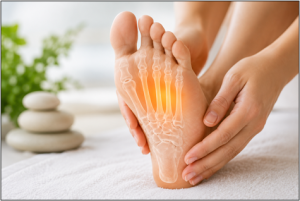
The metatarsal bones play a major role in maintaining balance, supporting body weight, and helping the feet move comfortably throughout the day. These long bones are located in the middle section of the foot and connect the toes to the ankle area. Whether a person is walking, running, standing for long hours, or participating in sports activities, the metatarsal bones absorb pressure and distribute weight evenly across the foot. When these bones are not properly cared for, discomfort and mobility issues can quickly develop.
Many people ignore early signs of stress or pain in the foot until the discomfort becomes severe. However, healthy foot care habits can help prevent long-term problems and improve mobility. Individuals living active lifestyles in Houston often experience strain due to constant walking, demanding jobs, exercise routines, and improper footwear choices. Understanding how to protect the feet and maintain healthy metatarsal bones is essential for preventing injuries and improving overall comfort.
Common Causes of Metatarsal Bone Problems
Metatarsal bone issues can develop for several reasons. Excessive pressure on the front part of the foot is one of the leading causes. Activities such as running on hard surfaces, wearing tight shoes, or standing for extended periods can increase stress on the foot structure. Over time, this repeated pressure may lead to inflammation, soreness, or stress fractures.
Improper footwear is another major contributor to foot problems. Shoes that lack support or cushioning can force the foot into unnatural positions, increasing strain on the metatarsal bones. High heels, narrow shoes, and worn-out athletic footwear often contribute to pain and instability. People who regularly engage in sports or high-impact activities are especially vulnerable if they do not wear supportive shoes.
Weight distribution problems can also affect foot health. Conditions such as flat feet, high arches, or abnormal walking patterns may place extra pressure on specific areas of the foot. As pressure increases, discomfort and inflammation can occur. Without proper care, these conditions may gradually worsen and interfere with everyday movement.
Signs That Indicate Metatarsal Stress
Early Symptoms You Should Never Ignore
Recognizing early symptoms is important for preventing serious complications. Pain in the ball of the foot is one of the most common warning signs associated with metatarsal stress. The discomfort may begin as mild soreness and become more intense during walking or physical activity.
Swelling, tenderness, and redness around the foot may also indicate strain or inflammation. Some individuals experience a burning sensation or numbness in the toes due to increased pressure on surrounding nerves. Ignoring these symptoms can lead to worsening pain and possible structural damage.
Athletes and physically active individuals should pay close attention to persistent discomfort that does not improve with rest. Stress fractures often develop gradually and may initially feel like ordinary soreness. Early evaluation and treatment can help avoid long recovery periods and reduce the risk of chronic foot problems.
The Role of Proper Footwear in Foot Health
Choosing the right footwear is one of the most effective ways to protect the feet and support healthy movement. Shoes should provide proper arch support, cushioning, and enough space for the toes to move naturally. A well-designed shoe helps distribute pressure evenly and reduces unnecessary stress on the metatarsal bones.
People who spend long hours on their feet should avoid thin-soled shoes that offer little shock absorption. Athletic shoes should be replaced regularly because worn-out soles lose their ability to support the foot properly. Selecting footwear based on activity level and foot shape can greatly improve comfort and reduce the risk of injury.
Custom orthotics may also help individuals with specific foot conditions. These inserts are designed to improve alignment and reduce pressure points that contribute to discomfort. In many cases, supportive footwear can make a significant difference in preventing recurring foot pain.
Maintaining Healthy Feet Through Daily Care
Daily foot care habits are essential for preserving foot strength and flexibility. Stretching exercises can help improve circulation and reduce muscle tightness around the foot and ankle. Gentle stretching before and after physical activity can minimize stress and improve mobility.
Keeping the feet clean and moisturized also supports overall foot health. Dry or cracked skin may lead to discomfort and increase the risk of infection. Regularly inspecting the feet for signs of swelling, bruising, or skin irritation can help detect problems early.
Rest is equally important for recovery and healing. Individuals who engage in repetitive physical activity should allow enough time for the feet to recover. Alternating high-impact workouts with low-impact exercises can reduce strain and improve long-term foot health.
Maintaining a healthy body weight can also reduce excessive pressure on the feet. Even small reductions in weight may significantly decrease stress on the metatarsal bones and improve comfort during movement.
Exercises That Support Metatarsal Bone Strength
Simple Exercises for Stronger Feet
Strengthening the muscles surrounding the feet can improve stability and reduce the likelihood of injury. Simple exercises performed consistently can help support the metatarsal bones and improve overall balance.
Toe stretches and towel curls are commonly recommended for strengthening foot muscles. Rolling the foot over a soft ball may also help relieve tension and improve flexibility. These exercises encourage healthy movement patterns and enhance circulation within the foot.
Calf stretches are another beneficial addition to a daily routine. Tight calf muscles can alter walking mechanics and increase pressure on the front part of the foot. Stretching the calves regularly can improve alignment and reduce unnecessary strain.
Balance exercises can further strengthen foot stability. Standing on one foot for short periods helps engage supporting muscles and improves coordination. Individuals recovering from foot injuries may benefit from guided physical therapy exercises to restore strength safely.
How Lifestyle Choices Affect Foot Health
Lifestyle habits can significantly influence the condition of the feet. Long periods of standing without proper support may gradually increase stress on the metatarsal bones. Occupations that require constant walking or heavy lifting often place extra demands on the feet.
Physical activity is important for maintaining health, but overtraining without proper recovery can contribute to foot injuries. Runners and athletes should gradually increase training intensity to avoid excessive strain. Listening to the body and responding to pain early can help prevent serious complications.
Hydration and nutrition also play a role in bone health. A balanced diet rich in calcium, vitamin D, and other essential nutrients supports strong bones and healthy tissue repair. Muscle tightness and dehydration may contribute to discomfort and cramps in the feet. Many people looking for ways to Stop Foot Cramps benefit from improving hydration and stretching habits as part of their daily routine.
When to Seek Professional Care
Why Early Treatment Matters
Persistent foot pain should never be ignored. If discomfort continues despite rest and supportive footwear, professional evaluation may be necessary. Early treatment can prevent worsening conditions and improve recovery outcomes.
Pain that interferes with walking, swelling that does not improve, or difficulty bearing weight are all signs that medical attention may be needed. Diagnostic imaging such as X-rays or scans can help identify fractures, inflammation, or structural abnormalities.
Specialized treatment plans may include physical therapy, orthotics, activity modifications, or other targeted therapies designed to reduce pressure and restore proper function. Seeking expert care at the right time can help patients avoid long-term mobility issues and maintain an active lifestyle.
Residents seeking reliable foot pain relief in Houston often look for experienced professionals who understand the complexities of foot conditions and personalized treatment approaches. Proper diagnosis and care are essential for achieving lasting comfort and preventing recurring injuries.
Preventing Long-Term Foot Complications
Preventive care is one of the most effective ways to protect the feet from chronic problems. Paying attention to early discomfort, wearing supportive shoes, and maintaining healthy activity habits can greatly reduce the risk of injury. Small daily decisions often have a major impact on long-term foot health.
Avoiding sudden increases in physical activity is also important. Gradual conditioning allows the feet to adapt safely to increased demands. Individuals recovering from injuries should follow treatment recommendations carefully to avoid reinjury.
Routine foot evaluations can help identify structural issues before they become serious. Early intervention often leads to faster recovery and better outcomes. Prioritizing foot care today can help maintain mobility, independence, and comfort for years to come.
Supporting Healthy Feet for an Active Future
Healthy feet are essential for maintaining an active and comfortable lifestyle. Since the metatarsal bones support movement and balance every day, caring for them properly should never be overlooked. Simple habits such as wearing supportive footwear, staying physically active, stretching regularly, and addressing pain early can make a significant difference in overall foot health.
People experiencing discomfort or mobility concerns should seek professional guidance before symptoms worsen. DeNiel Foot & Ankle Center provides specialized care for individuals dealing with foot-related conditions and mobility challenges. Early treatment and preventive care can help patients remain active, comfortable, and confident in their daily lives.
For individuals searching for expert solutions related to metatarsal bones and ongoing foot discomfort, DeNiel Foot & Ankle Center continues to support patients with compassionate care and advanced treatment options designed to improve long-term foot health.
Frequently Asked Questions
What are metatarsal bones and why are they important?
Metatarsal bones are the five long bones located in the middle section of the foot. They connect the toes to the ankle and play a vital role in supporting body weight, maintaining balance, and helping with movement such as walking, running, and standing comfortably.
What causes pain in the metatarsal bones?
Metatarsal bone pain is commonly caused by excessive pressure from prolonged standing, running on hard surfaces, wearing tight or unsupportive footwear, high-impact activities, or underlying foot conditions such as flat feet and high arches.
How can I protect my metatarsal bones from injury?
You can protect your metatarsal bones by wearing supportive shoes with proper cushioning, maintaining a healthy body weight, performing regular foot stretches, avoiding overuse during physical activities, and allowing enough rest for recovery.
What are the early signs of metatarsal stress?
Early signs include pain in the ball of the foot, swelling, tenderness, redness, numbness, or a burning sensation. If these symptoms continue or worsen during movement, professional evaluation may be necessary to prevent further complications.
When should I see a foot specialist for metatarsal pain?
You should consult a foot specialist if your foot pain persists despite rest, if swelling does not improve, or if walking becomes difficult. Early diagnosis and treatment can help prevent long-term foot problems and support faster recovery.