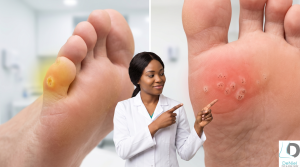
Know the difference between plantar warts and corns?
Having pain in your feet can make your daily tasks hard to manage, be it walking, exercising, or even standing for hours on end. One of the most confusing foot conditions is the differentiation of corns and plantar warts, although they may resemble each other, they are entirely different from each other and should be treated differently.
For some, they look up the top remedies for corns or seek over-the-counter treatments for them without knowing if their corns are actually warts. The use of incorrect treatments can aggravate the problem rather than relieve it. It is important to understand the distinction between the two foot ailments to properly treat them.
If you have any foot pains or problems, then foot corn removal, Plantar warts treatment, or even Plantar fasciitis treatment might help you.
What Is Corn?
Corn is a tough patch of skin which develops because of friction or pressure. It is a protective mechanism for the body, but it may cause pain if neglected.
Corns generally occur in:
The upper portion of toes
Between toes
The side portions of feet
Weight-bearing areas of the soles
Common Causes of Corns
Many reasons can result in corn development, such as:
1. Poorly Fitting Shoes
Inappropriate footwear will cause friction against the skin.
2. Foot Deformities
Problems like bunions or hammertoe deformities create pressure on certain foot regions.
3. Walking Abnormalities
Any imbalance in walking may cause friction in certain regions.
4. Lack of Cushioning
Frequent walking without shoes leads to increased pressure.
What Is a Plantar Wart?
A plantar wart is a tiny lump resulting from the HPV virus. Contrary to corns, which are caused by pressure, plantar warts result from viral infections and occur on the bottom of the foot.
They commonly appear on:
The heel
Ball of the foot
Other pressure points
Since plantar warts tend to grow inside due to pressure, they can cause pain over time.
How Plantar Warts Spread
Plantar warts are contagious and can be easily transmitted when coming into contact with the HPV virus. They can be acquired through:
The knowledge about corns vs plantar warts will assist in making sure you use the right method to treat each condition.
Appearance
Corns
Thickened, hard skin
Yellow in color
Raised or cone-shaped
Plantar Warts
Textured like rough grains
Flat due to pressure
Possesses black spots
Pain Pattern
Corns
Pain occurs when direct pressure is applied.
Plantar Warts
Pain often feels like stepping on a pebble.
Cause
Corns
Repeated friction or pressure
Plantar Warts
HPV viral infection
Skin Lines
One easy method of distinguishing them is by looking at the skin lines.
Corns generally permit skin lines passing through.
Plantar warts prevent the natural flow of skin lines.
Why Accurate Diagnosis Matters
Confusion between plantar warts and corns can result in incorrect treatment. Using the most effective treatment for corns on a plantar wart will not remove the virus and might even cause irritation in nearby tissues.
On the other hand, confusing a corn with a plantar wart will result in delays in treatment and increased pressure on the hardened skin layer.
The diagnosis should be performed by an expert podiatrist.
Treatment Options for Corns
For people looking for an effective corn remover, they may choose from products sold at pharmacies. Though there are some effective remedies in drug stores, severe corns may need medical attention.
At-Home Corn Treatment
1. Salicylic Acid Pads
These pads gradually loosen the thick skin.
2. Warm Water Soaks
This softens the corn.
3. Pumice Stone
Gently rubs off the thick skin layer.
4. Proper Footwear
Relieves friction and pressure.
However, such home remedies should be avoided by diabetics and those with bad blood circulation.
Professional Foot Corn Removal
Professional foot corn removal provides quicker and more secure treatment.
A podiatrist can:
Gently remove excess skin
Supply cushions for pressure reduction
Prescribe orthotic devices
Tackle structural problems within the foot
Should corn recur, seeking professional advice is imperative.
Treatment Options for Plantar Warts
Since plantar warts are viral, treatment involves eliminating infected tissue and ensuring no future recurrence of the disease.
Over-the-Counter Wart Treatments
They can contain a solution of salicylic acid.
Though efficient, it can take weeks or even months to work.
Cryotherapy
Through freezing, infected tissue is eliminated.
It is one of the most common plantar warts treatments in Houston.
Laser Therapy
Laser therapy involves targeting the wart’s blood vessels.
Benefits include:
Targeted treatment
Little damage to adjacent tissues
Quick recovery
Surgical Removal
When other treatments do not work, surgery might be advised.
When Foot Pain May Be Something Else
Many people think their foot pain is caused by corn or a wart but might be due to a different condition.
For instance, it could be plantar fasciitis.
What Is Plantar Fasciitis?
Plantar fasciitis is inflammation of the plantar fascia, which is the thick ligament that runs from the heel bone to the toes.
If your foot pain feels like deep heel pain without any skin issue, then you should seek Plantar fasciitis treatment in Katy TX instead of treating a corn or a wart.
Treatment may include:
Stretching exercises
Orthotics
Physical therapy
Shockwave therapy
Getting the correct diagnosis is key.
How to Prevent Corns and Plantar Warts
Prevention is possible and can help prevent both conditions.
Preventing Corns
Wear Proper Footwear
Select footwear that provides enough space for toes.
Use Protective Padding
Protects from friction in pressure areas.
Keep Feet Moisturized
Prevents hardening of skin.
Address Foot Structure Issues
Corrective devices may redistribute pressure.
Preventing Plantar Warts
Wear Flip-Flops in Public Areas
Especially in locker rooms and swimming pools.
Keep Feet Clean and Dry
Foot warts grow well in moist environments.
Avoid Sharing Footwear
Prevents exposure to the virus.
Treat Minor Cuts Promptly
Injured skin lets viruses in.
When to See a Foot Specialist
Seek professional attention when:
The lesion hurts
Self-treatment does not work
The lesion recurs
Walking becomes challenging
You have diabetes or poor blood flow
Early treatment will speed up recovery.
Why Professional Care Is Best
Although looking up the best corn remover on the internet can give you different solutions, opting for professional help ensures:
Accurate diagnosis
Safe treatment
Faster healing
Lower recurrence risk
A podiatrist can recommend foot corn removal treatment, Plantar Warts Treatment Houston, or other treatments such as plantar fasciitis.
Avoiding podiatry treatment may exacerbate your symptoms.
FAQs
1. How do I know if I have corn or a plantar wart?
Corns are formed by rubbing and pressure, whereas plantar warts are formed by HPV. Warts have small black dots and break up the skin lines.
2. Which is the best corn remover?
The best corn remover is dependent on the condition’s severity. Salicylic acid pads might be useful for mild cases, but hard cases need professional plantar warts treatment Houston.
3. Are plantar warts contagious?
Yes. Plantar warts are infectious through contact with HPV-contaminated surfaces, particularly in humid public places.
4. When should I get plantar warts treatment in Houston?
If the wart is painful or spreading, or is not improving despite your efforts at home.
Conclusion
While corns and plantar warts might seem alike, they are, in fact, very different and require unique approaches to be taken into consideration. For those who suffer from recurring foot pain or suspect skin abnormalities, contacting professionals is recommended for long-term results.
[…] It’s essential to differentiate plantar warts from other foot conditions, such as corns or calluses. Plantar warts often have tiny black dots within them, which are thrombosed capillaries unique to warts. For further guidance on differentiating these conditions, check out our article on Corn vs Plantar Warts. […]



Comments
[…] It’s essential to differentiate plantar warts from other foot conditions, such as corns or calluses. Plantar warts often have tiny black dots within them, which are thrombosed capillaries unique to warts. For further guidance on differentiating these conditions, check out our article on Corn vs Plantar Warts. […]
Comments are closed.