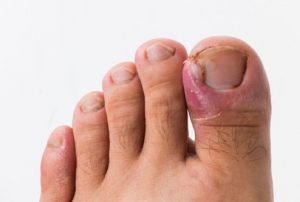
Short answer: While incorrect nail cutting can contribute to ingrown toenails, it’s not the only cause. Cutting nails too short or rounding the edges may lead to toenails growing into the skin, but other factors like tight shoes, foot structure, or injuries can also be to blame. If you notice pain and swelling, seek professional help.
How Incorrect Nail Cutting Leads to Ingrown Toenails
Cutting your toenails too short or rounding the edges can create conditions for an ingrown toenail. The nail may start to grow into the surrounding skin, leading to irritation. Symptoms can include pain, redness, and swelling at the nail’s edge. It’s important to trim nails straight across, so they align with the natural tip of your toe without cutting into the skin.
When toenails are cut too close, they lose their natural barrier and can easily push into the surrounding skin as they grow. This can make wearing shoes uncomfortable and may even cause a sharp pain if the nail pierces the skin.
Other Causes of Ingrown Toenails
Ingrown toenails can also result from other factors. Shoes that are too tight or narrow can compress the toes, forcing the nails to grow incorrectly. This is particularly problematic with footwear styles that have a narrow toe box.
Injuries to the nail, such as stubbing your toe or dropping something heavy on it, can also cause or worsen an ingrown toenail. Additionally, some people are more prone due to genetic factors like naturally curved toenails.
Foot structure plays a role as well. For instance, if you have a condition such as bunions or hammertoes, it can alter the pressure and orientation of the nails, making ingrown toenails more likely. These factors, unlike incorrect nail trimming, are not entirely within your control.
Preventing Ingrown Toenails at Home
To prevent ingrown toenails, choose footwear with enough room for your toes to move freely. This prevents the constant pressure that can cause nails to dig into the skin. Also, be careful to avoid injuries to your toes.
Nail care is crucial: cut your toenails with clean clippers, keeping the nails straight and the edges just slightly beyond the skin. Avoid rounding the edges, which can lead the nail to curve into the skin. For detailed strategies, refer to our tips on How to Prevent Ingrown Toenails from Coming Back Again.
What a Podiatrist Can Do
If you visit a podiatrist, they can provide treatments that go beyond at-home care. They may carefully lift and separate the nail from the skin to relieve pressure. In more severe cases, they might need to remove part of the nail in a safe, controlled manner.
For persistent or troublesome ingrown toenails, a podiatrist could consider a minor surgical procedure to reshape or remove part of the nail. This procedure is typically conducted under local anesthesia to minimize discomfort.
Avoid attempting to dig or cut into the nail yourself, as this can worsen the condition or lead to infection.
When to See a Podiatrist
Persistent pain or tenderness in the toe area
Redness, swelling, or pus around the nail
Signs of infection like increased warmth, red streaks, or fever
Difficulty walking due to toe pain
Diabetes or poor circulation, which can complicate foot health
If these symptoms occur, it’s advisable to consult a podiatrist promptly. They can provide treatment to alleviate pain and prevent further complications. For immediate relief, explore our Same Day Ingrown Toenail Removal. Learn more about our services at the DeNiel Foot & Ankle Center. We are here to help keep your feet healthy in Houston and Cypress.