Short answer: Pedicures can lead to ingrown toenails if the nails aren’t trimmed correctly and tools aren’t sanitized. Always ensure your salon uses sterile instruments and trims nails straight across. If you have diabetes, take extra precautions. If you experience pain or redness after a pedicure, consult a podiatrist.
Why Ingrown Toenails Happen After Pedicures
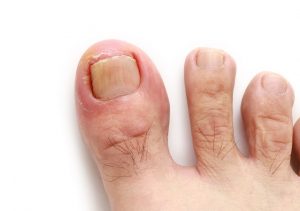
An ingrown toenail occurs when the edge of the nail grows improperly into the skin, causing symptoms like pain, redness, and swelling. After pedicures, this often occurs if nails are cut too short or with rounded edges, which can encourage the nail to grow into the skin instead of above it. This can be especially painful when wearing tight shoes or if the toenail presses against the skin after the pedicure.
Another risk during pedicures is the use of improperly sterilized tools. If the salon does not sterilize clippers and files correctly, you may be exposed to bacteria or fungi. This could increase the chance of infections that may complicate an ingrown toenail, leading to more swelling, redness, or pus around the affected area.
What You Can Do at Home
To minimize the risk of ingrown toenails after a pedicure, always ensure that the salon trims your nails straight across and not too close to the skin. Before you schedule a pedicure, inquire about the salon’s sterilization practices to confirm they use clean instruments. If at any point the tools do not appear sanitary, it is safer to decline the service.
If you choose to do your pedicure at home, make sure you use your own set of sterilized tools. Wash them with soap and water, and then disinfect with rubbing alcohol to eliminate germs. Avoid cutting nails so short that the nail bed becomes exposed, and be careful not to dig into the corners when clipping.
Particularly for those with diabetes, it’s crucial to prioritize foot health. Communicate your condition to your pedicurist; they should be gentler and avoid aggressive handling that might lead to cuts or sores. Diabetic patients should routinely check their feet for any signs of trouble, such as changes in color, increased swelling, or pain.
What a Podiatrist Can Do
If you develop an ingrown toenail, visiting a podiatrist can provide you with the relief you need. A podiatrist might initially assess the level of the problem by examining the affected area. They may gently lift the nail edge and place cotton or a splint under it to separate it from the skin, which encourages it to grow above instead of into the skin.
In more advanced cases, the podiatrist may need to trim the offending portion of the nail. This can often be done in the office and might involve numbing the toe before treatment. In some situations, a minor procedure to remove a part of the nail or nail bed may be necessary to prevent the nail from growing into the skin again. This is especially considered if the problem is recurrent or causes significant discomfort. For immediate care, you can look into our same day ingrown toenail removal services.
When to See a Podiatrist
Severe pain, swelling, or redness around the toenail
Pus, increased warmth, or other clear signs of infection near the nail
Symptoms that do not improve after a few days of home care
If you have diabetes and notice any changes in your feet, like persistent numbness or color changes
If you see an area of the nail starting to break the skin
If you’re concerned about an ingrown toenail or any foot issues following a pedicure, it’s time to consult with a professional. We provide a range of services, including ingrown toenail removal, to help ensure your feet are healthy and comfortable. Schedule a visit to the DeNiel Foot & Ankle Center to receive expert care and personalized treatment tailored to your needs.