Short answer: Ibuprofen may help relieve pain from Morton’s neuroma by reducing inflammation around the affected nerve in your foot. While over-the-counter anti-inflammatory medications can be effective, they might not provide complete relief. If pain persists, consult a podiatrist to explore additional treatment options.
Understanding Morton’s Neuroma
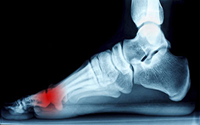
Morton’s neuroma is a painful condition affecting the ball of your foot, most commonly between the third and fourth toes. It occurs when the tissue surrounding one of the nerves leading to your toes thickens, causing sharp, burning pain in the ball of the foot. You might also experience tingling, numbness, or a feeling as if something is inside the ball of the foot, like a pebble stuck in your shoe. These symptoms result from nerve inflammation, making walking or standing for long periods uncomfortable.
Home Remedies and Medications
Over-the-counter medications like ibuprofen or naproxen can be effective in reducing inflammation and providing temporary pain relief. To maximize their efficacy, follow label instructions carefully and take them with food to avoid stomach upset. It is also advisable to limit activities that put pressure on the ball of your foot, like long walks or exercises involving jumping or running. Resting your foot and elevating it can also help reduce swelling.
Ice therapy is another useful home remedy. Apply an ice pack wrapped in a thin cloth to the affected area for 15-20 minutes several times a day to help reduce both inflammation and pain. Additionally, choosing footwear that provides adequate support is crucial. Look for shoes with a wide toe box and proper arch support, and avoid high heels or tight-fitting footwear that can exacerbate the condition. A shoe padded with insoles or metatarsal pads can provide extra cushioning for increased comfort.
Professional Treatment Options
If over-the-counter medications and home treatments do not sufficiently relieve your symptoms, it might be time to seek professional help. A podiatrist can offer prescription-strength anti-inflammatory medications for more effective pain relief. Cortisone injections are another option, delivering powerful medication directly to the area around the irritated nerve to quickly reduce inflammation and pain.
Your podiatrist might recommend custom orthotics, which are special shoe inserts designed to redistribute pressure away from the neuroma, providing more comfort and reducing irritation. These custom orthotics are tailored to your foot’s unique shape based on a precise mold taken during a visit. Physical therapy exercises may also be suggested to stretch and strengthen the muscles around your feet, improving overall foot health and function.
In severe or chronic cases, more advanced interventions may be necessary. For example, options such as Morton’s neuroma treatment can include shockwave therapy or even minimally invasive surgery to remove the thickened tissue causing the discomfort.
When to See a Podiatrist
Pain in the ball of your foot that persists despite over-the-counter medication
Continual burning, tingling, or numbness between your toes
Problems with walking or standing for extended periods due to significant foot pain
Noticeable swelling or redness in the affected area that does not subside
If you have diabetes or poor circulation, which may increase the risk of complications or infections
Sudden worsening of symptoms or no improvement after home treatments
Don’t let foot pain interrupt your daily life. If your symptoms are persistent or worsening, it’s time for a professional evaluation. Our specialists at DeNiel Foot & Ankle Center are skilled in foot pain relief and can assist in developing an effective treatment plan tailored to your needs. Contact our office in Houston to schedule your appointment today.