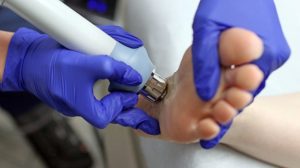
Short answer: Shockwave therapy can help alleviate neuroma pain by reducing inflammation, though it does not remove the neuroma. It’s more commonly used for heel pain and tendonitis but can also decrease discomfort from Morton’s neuroma. Custom orthotics can further aid in relieving nerve pressure.
Understanding Neuromas and Shockwave Therapy
Morton’s neuroma is a condition often felt in the ball of the foot, typically between the third and fourth toes. This pain might feel sharp, burning, or tingling, or you might have the sensation of having a pebble in your shoe. These symptoms happen because the tissue around a nerve in your foot becomes thickened and inflamed. This can make it very uncomfortable to walk or stand for extended periods. Shockwave therapy provides a non-invasive option to address this pain. The therapy involves using sound waves to target the painful area, aiming to reduce inflammation and encourage healing. Although it is better known for treating heel pain related to plantar fasciitis, it can also offer relief from the discomfort of neuromas.
How Shockwave Therapy Helps
During shockwave therapy, sound waves are directed at the affected area of the foot. These waves can penetrate deeply, boosting blood flow and reducing inflammation in the region. As the inflammation goes down, there is a good chance the pain will lessen, making walking more comfortable. The treatment sessions are usually quick, lasting about 10 to 15 minutes, and don’t require any anesthesia, which makes it a practical option for many patients. While this therapy can significantly decrease pain, keep in mind that it does not remove the neuroma itself. You will still need to manage the condition, as the underlying problem remains.
Additional Support with Custom Orthotics
Even if shockwave therapy helps reduce your pain, it’s smart to consider custom orthotics to avoid the return of symptoms. These shoe inserts provide extra cushioning and support where you need it most. By redistributing the pressure on your foot, custom orthotics help alleviate the stress on the nerve that is affected by the neuroma. This additional support can enhance the effects of shockwave therapy, offering longer-lasting relief. A podiatrist can customize orthotics specifically for your foot’s shape and needs, which is crucial for effective pain management.
When to See a Podiatrist
Foot pain persists despite trying home remedies, like changing shoes or using over-the-counter pain relievers.
You experience continuous difficulty walking or doing everyday activities because of foot pain.
There’s numbness, tingling, or burning sensations in your toes or foot that don’t go away.
Signs of infection are present, such as redness, swelling, or warmth in the area, especially if these symptoms are accompanied by pain.
If you have diabetes or poor circulation, even minor foot discomfort should be checked, as you are at a greater risk for complications.
If you’re dealing with symptoms of Morton’s neuroma and want to explore potential treatment options, including shockwave therapy, consider visiting our clinic in Cypress. At DeNiel Foot & Ankle Center, we specialize in providing comprehensive foot care tailored to your needs. You can learn more about effective treatments and services by visiting our page on Morton’s neuroma and explore pain management solutions like foot pain relief plans in Houston.