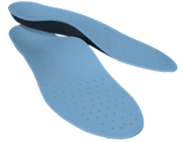
Custom orthotics can help prevent heel pain recurrence
Short answer: Recurring heel pain is often due to plantar fasciitis, where inflammation of the plantar fascia or foot mechanics play a role. Proper care, including anti-inflammatory treatments and custom orthotics, can help prevent recurrence. If your heel pain frequently returns, visit a podiatrist for a comprehensive evaluation and effective treatment plan.
Why Heel Pain Recurs
Recurring heel pain is commonly linked to plantar fasciitis. This condition occurs when the plantar fascia, a thick band of tissue running along the bottom of your foot, connecting the heel bone to the toes, becomes inflamed. Symptoms may include sharp pain at the bottom of the heel, especially first thing in the morning or after periods of rest. This pain is often described as stabbing and can make those first few steps particularly uncomfortable. The inflammation can result from factors such as overuse from activities like running or long periods of standing, wearing shoes without adequate support, or having foot mechanics that are out of balance, such as high arches or flat feet. These mechanical issues can cause stress on your heel and arch. If these underlying causes are not addressed, the pain can keep coming back.
What You Can Do at Home
Managing heel pain at home involves a combination of rest and proactive measures to address both pain and inflammation. Start by reducing activities that put stress on the heel, such as running or standing for extended periods. Applying ice to the affected area for 15 to 20 minutes several times a day can help reduce swelling and numb the pain. A bag of frozen peas wrapped in a towel can mold nicely to the shape of your foot. Be sure to wear supportive footwear that provides good arch support, and consider using over-the-counter insoles or heel pads to absorb shock and relieve pressure on the plantar fascia. Look for shoes with a low heel and a cushioned sole to support your arch. Over-the-counter anti-inflammatory medications, like ibuprofen, might provide additional relief; just be sure to follow the label instructions carefully. Stretching exercises for the foot and calf muscles, such as calf stretches or rolling a golf ball under your foot, can improve flexibility and promote healing. Try stretching your calf by standing on a step and lowering your heel below the level of the step.
How a Podiatrist Can Help
A podiatrist can offer specialized treatments for recurring heel pain. One effective treatment is custom orthotics. These devices are tailored to your feet and can correct imbalances in your foot’s mechanics, providing the arch support that was lacking. Custom orthotics help distribute your weight evenly across the foot, reducing tension on the plantar fascia. During your visit, the podiatrist may take casts or measurements of your feet to ensure the orthotics fit perfectly. Another option might be shockwave therapy, which uses sound waves to promote healing in injured tissues. This can stimulate blood flow and enhance the body’s healing response. During your visit, we will carefully assess your symptoms and medical history to tailor a treatment plan suited for your condition. Regular follow-ups ensure that treatments are effective and adjusted as necessary to prevent pain from returning. We also explore other techniques such as stretching regimens or physical therapy exercises based on your specific needs.
When to See a Podiatrist
If heel pain persists despite trying home remedies for several weeks
If the pain intensifies or begins to spread to other areas, such as the arch or ankle
If you notice persistent swelling, redness, or warmth in the heel area, as these could be signs of infection
If you have diabetes or poor circulation, it’s crucial to see a podiatrist at the first sign of foot pain
If you experience difficulty in walking or standing due to heel pain
Recurring heel pain can be inconvenient and uncomfortable, but it doesn’t have to control your life. For personalized care and a thorough examination, visit us at Foot Pain Relief Houston. Let us help you find relief and prevent further issues with a comprehensive treatment plan. We are dedicated to helping you get back on your feet comfortably, right here in Houston.