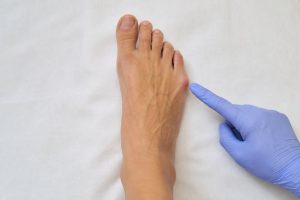
What Is a Bunionette (Tailor’s Bunion) and How Is It Treated
Short answer: A bunionette, also called a tailor’s bunion, is a bony bump on the outside of the foot at the base of the little toe. It is similar to a bunion but affects the fifth toe instead of the big toe. Treatment usually starts with shoe changes, padding, and sometimes custom orthotics, but surgery may be needed if pain persists.
At a glance:
A bunionette forms at the base of the little toe and causes a painful, swollen bump on the outside of the foot.
Tailor’s bunion is different from a bunion, which appears by the big toe but both involve misalignment of a toe joint.
Mild cases often improve with wider shoes, padding, or custom orthotics to ease pressure and relieve pain.
If non-surgical options are not enough, surgical procedures can realign the bone and remove the bump.
People with diabetes or poor circulation should seek early care to avoid complications and monitor for sores.
What is a bunionette and how does it differ from a bunion?
A bunionette (tailor’s bunion) is a bony bump at the base of the little toe, on the outside edge of your foot. It develops when the fifth metatarsal bone drifts outward, causing the joint to stick out. Unlike a bunion, which affects the big toe, a bunionette impacts the small toe joint. Both are caused by misalignment of a toe joint, but they form on opposite sides of the foot.
The bump may look red or swollen and can make it uncomfortable to wear shoes, especially tight or narrow styles.
What causes a bunionette, and what can make it worse?
Bunionettes are typically caused by the natural shape of the foot or by wearing shoes that are too tight, narrow, or have pointed toes. Genetics, abnormal foot mechanics, and other structural issues raise your risk. Certain activities, such as frequent squatting or sitting cross-legged, can add pressure to the outside of your foot over time.
Wearing high heels or shoes with a narrow toe box
Foot structure inherited from your family
Repetitive pressure on the outside edge of the foot
Arthritis or conditions that affect toe joints
People with diabetes or poor circulation should be especially careful, since even minor bumps can turn into sores or infections.
How can you treat a bunionette at home, and what can a podiatrist do?
If symptoms are mild, home remedies can help reduce discomfort. The first step is to choose shoes that are wide and have plenty of room for your toes. Padding, toe spacers, or bunionette pads can ease pressure on the bump. Over-the-counter anti-inflammatory medicine may reduce pain and swelling—always follow the label directions. Custom orthotics provide extra support by redistributing pressure on your foot.
Switch to shoes with a wide toe box and soft materials
Use protective pads or moleskin over the bump
Apply ice packs for short periods if the area is sore
If home treatment does not bring relief, a podiatrist will examine your foot and may take X-rays to assess the alignment and shape of your bones. Options may include prescription orthotics, cortisone injections for inflammation, or physical therapy. In persistent or severe cases, we may discuss minimally invasive bunion surgery to remove the bump and restore proper alignment. These procedures are usually outpatient, with less scarring and faster recovery than traditional open surgery. Recovery varies based on your foot structure and health status.
When to see a podiatrist
Pain near your little toe that makes it hard to walk, especially if it does not improve with shoe changes
Redness, warmth, or swelling that spreads or worsens
Ulcers, blisters, or open sores near the bump, especially if you have diabetes or poor circulation
Sudden inability to move your toe or bear weight on the foot
Signs of infection, such as fever with foot redness
If you’re dealing with a painful bump at the base of your little toe, we can help you find relief and explain which options are best for your lifestyle. To learn more about treating bunionettes or other foot issues, visit our page on minimally invasive bunion surgery. If you have questions or need care in Houston or Cypress, our team at DeNiel Foot & Ankle Center is here for you.