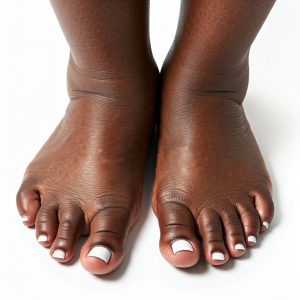
Short answer: Swelling of the ankles during pregnancy is common, especially in the later stages, due to fluid retention and pressure from the growing uterus on the veins. Hormonal changes further contribute to this swelling. While generally harmless, sudden or severe swelling requires medical attention as it might indicate conditions like preeclampsia.
Why Ankle Swelling Happens
During pregnancy, your body undergoes significant changes to support your developing baby. This includes an increase in blood volume and fluid retention, which can lead to swelling in your legs and ankles, a condition known as edema. As the uterus expands, it exerts pressure on the pelvic veins and the inferior vena cava, a large vein that runs along the right side of your body, making it more difficult for blood to circulate back up to your heart. This results in fluid pooling in the lower extremities, which is why many expectant mothers notice more swelling at the end of the day or after standing for long periods. Additionally, the hormone relaxin is produced to loosen the ligaments in your body in preparation for childbirth. While this is normal, it can cause joints to become more relaxed, making them prone to slight additional swelling around the ankles and feet.
What You Can Do at Home
Managing ankle swelling effectively at home involves strategies to enhance circulation and minimize fluid buildup. Here are a few specific steps you can take:
Elevate your feet: Whenever possible, sit with your legs elevated. Use pillows to prop them up while lying down, ideally above the level of your heart, to facilitate fluid drainage.
Stay active: Engage in low-impact activities like walking, swimming, or prenatal yoga. These exercises promote blood flow and are gentle on your body.
Sleep on your left side: This position helps to improve circulation and reduces pressure on the veins, promoting better blood flow back to your heart.
Hydration: Drink plenty of water. Staying well-hydrated can help reduce fluid retention because it signals your body to release rather than hold on to fluids.
Wear appropriate footwear: Choose comfortable, supportive shoes that accommodate any changes in foot size and swelling. Avoid tight clothing, especially around your ankles.
Compression socks: Consider wearing compression socks to aid circulation and decrease swelling.
Foot soaks and exercises: Soak your feet in warm water and perform gentle foot exercises to relieve tension.
Always discuss with your healthcare provider before trying new products, such as pain-relieving creams, to ensure they are safe during pregnancy.
How a Podiatrist Can Help
If home remedies aren’t alleviating your discomfort, or if swelling is interfering with daily activities, a podiatrist can offer further assistance. They can provide personalized advice tailored to your situation, starting with a thorough examination to rule out any serious issues like venous insufficiency or blood clots. A podiatrist may recommend specific exercises focused on enhancing circulation. They can also fit you with custom orthotics designed to relieve pressure on swollen areas and accommodate changes in foot size. If needed, they can work in tandem with your obstetrician to develop a comprehensive plan to manage your symptoms effectively. In some cases, special footwear can be suggested to ensure optimal comfort and support, and targeted therapies might be employed to help reduce fluid buildup.
When to See a Podiatrist
There is sudden or severe swelling.
Swelling is noticeable in only one leg.
Accompanied by pain, redness, or warmth, which could suggest an infection or a blood clot.
High blood pressure or accompanying symptoms of preeclampsia, such as a severe headache, vision changes, or abdominal pain.
Swelling or discomfort does not improve with home care measures.
Monitoring your body’s signals, especially during pregnancy, is vital. Should any concerning signs appear, consulting a healthcare professional without delay is essential. For expert guidance and effective management of foot and ankle-related issues, we invite you to visit the DeNiel Foot & Ankle Center. Our dedicated team is here to help you achieve comfort and peace of mind throughout your pregnancy journey.