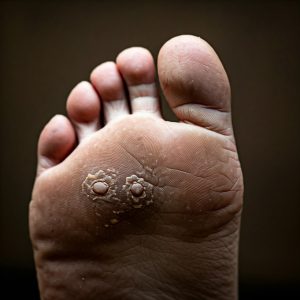
Short answer: Foot calluses can cause discomfort and arise from rubbing or pressure, like from tight shoes. They might go away if you address the cause. Wearing comfortable shoes and caring for your feet can help minimize them. If calluses are painful or persistent, a podiatrist can offer effective treatments.
Why Calluses Develop
Calluses are thickened skin areas that form due to repeated rubbing or pressure on your feet. These may appear as hard, rough patches that are often yellowish or gray. Common triggers include ill-fitting shoes, especially those that are too tight or have high heels, which focus pressure on certain parts of your feet. Walking barefoot on hard surfaces or engaging in activities like running frequently can also contribute by placing stress on your feet. Typically, calluses might not be painful, but in some cases, they can become uncomfortable, making walking or standing tough.
Home Care for Calluses
Managing calluses at home starts with tackling the cause. First, select shoes that fit well, with plenty of room for your toes and cushioning to evenly distribute pressure on your feet. When trying on new shoes, make sure your toes can move comfortably, and avoid any tight, pinching spots.
A foot soak in warm, soapy water can soften calluses, making them easier to handle. Try doing this for about 10 to 15 minutes. Following the soak, gently rub the callus with a pumice stone or foot file to slough off dead skin. Do this gently to avoid harming healthy skin layers. Keeping the skin supple is crucial, so remember to apply moisturizer daily, especially focusing on the callused areas. This helps prevent further hardening.
Over-the-counter pads or cushioned insoles can be beneficial, too. These are placed inside your shoes to alleviate pressure on the callused zone, reducing discomfort when you walk. Be cautious, though, and avoid trying to cut or shave calluses at home, as this could lead to cuts or infections, complicating matters further.
Professional Treatments
If home care measures don’t relieve the issue or if your calluses are causing significant pain, it’s wise to consult a podiatrist. They offer more effective and safe treatments. In their clinic, a podiatrist can trim the callus precisely and hygienically using special tools, relieving discomfort by lowering the callus thickness.
If your calluses are stubborn or severe, the podiatrist might discuss additional treatments. They can evaluate underlying causes such as abnormal walking patterns or foot deformities. Sometimes, they may recommend custom orthotics. These are specially designed shoe inserts to correct your foot mechanics and evenly distribute pressure, minimizing callus formation risk.
Professional advice on foot care can also guide you in applying preventive strategies effectively, reducing the chance of recurring calluses. With dedicated care, you can enjoy significant relief and prevent future discomfort.
When to See a Podiatrist
Persistent pain from a callus even after home remedies
Slightest indication of infection, such as redness, swelling, heat, or pus
If you have diabetes or poor circulation, increasing complication risks
Calluses keep coming back despite preventive measures
Experiencing foot pain while walking or performing daily activities due to calluses
If you’re dealing with uncomfortable foot calluses, consider visiting the DeNiel Foot & Ankle Center. Our team is prepared to offer comprehensive foot care to help you find relief. Learn more about our foot pain relief options available in Houston and Cypress for effective treatment solutions.