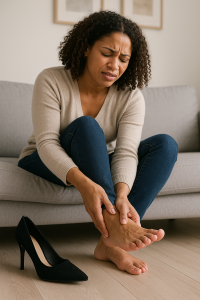
Short answer: Women often experience foot pain because of their footwear choices, anatomy, and lifestyle factors. High heels and unsupportive flats can strain the feet, while hormonal changes and weight shifts during pregnancy can affect foot ligaments. Common conditions include plantar fasciitis, bunions, and Morton’s neuroma. Supportive shoes, stretching, and podiatric care can help prevent and manage pain.
Reasons Women Experience Foot Pain
Women frequently encounter foot pain due to factors including footwear choices, anatomical differences, and lifestyle habits. High heels and pointed-toe shoes squeeze the foot, potentially causing pain and restricting natural movement. Such shoes often force the toes into an unnatural position, which can lead to cramping, calluses, or even long-term deformities.
Unsupportive flats might lack the necessary cushioning and arch support, failing to absorb shock properly as you walk. This can strain the arches, leading to discomfort and contributing to conditions like plantar fasciitis, which is an inflammation of the tissue along the bottom of the foot.
Hormonal changes during pregnancy can relax foot ligaments, potentially causing the foot to widen and flatten, leading to a permanent shift in foot size. This can increase the risk of pain and conditions like bunions, where a bony bump forms on the joint at the base of the big toe. Weight fluctuations during pregnancy also add to the pressure on feet, making them more susceptible to pain and injury.
Common Foot Problems in Women
Several foot conditions are prevalent in women due to these factors. Plantar fasciitis is marked by sharp heel pain, especially in the morning or after sitting. It’s caused by inflammation of the plantar fascia, the ligament running across the bottom of the foot.
Bunions, often aggravated by tight, narrow shoes, are painful enlargements at the base of the big toe that can become swollen and red. Morton’s neuroma results from pressure on the forefoot, with symptoms including pain, tingling, or numbness between the toes. This condition may feel like there’s a pebble in your shoe or a fold in your sock.
Hammertoes are bent toe deformities, often due to wearing too-small or tight shoes, that might cause discomfort or difficulty in wearing shoes. This condition can lead to corns and calluses on the tops of the toes as well.
Prevention and Home Care
Preventing foot pain starts with choosing the right shoes. Opt for supportive footwear with ample cushioning and arch support. Check that shoes provide enough room in the toe box to avoid cramping. Limit time spent in high heels to avoid increased pressure on the forefoot.
Regularly stretch your feet, focusing on the arches and calves to maintain flexibility and prevent conditions like plantar fasciitis. You can perform stretches by rolling a tennis ball under your foot or standing on a step with your heel hanging off and gently lowering yourself. This helps to keep the plantar fascia and Achilles tendon supple.
Monitor your feet for changes in size, shape, or comfort, especially during and after pregnancy. If you experience postpartum foot swelling, wear supportive shoes to manage symptoms. Reducing salt intake and elevating your feet can also help reduce swelling.
When to See a Podiatrist
Persistent or severe foot pain that doesn’t improve with home care
Noticeable changes in foot shape, such as the development of bunions
Swelling, redness, or other signs of infection
Lumps or knots forming on the sole of the foot
Pain related to diabetes or poor circulation
Numbness or tingling between the toes
If you experience ongoing foot pain, reaching out for professional help is crucial. At DeNiel Foot & Ankle Center, we provide personalized care, including foot pain relief options like custom orthotics, physical therapy, or minimally invasive surgeries. Contact us to learn more about how we can help you maintain your foot health and comfort.