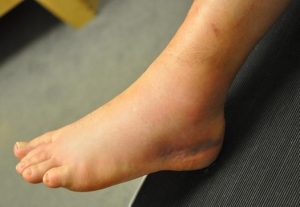
Short answer: Frequent ankle sprains may be due to foot structure, like a high-arched foot, or weakened ligaments from past injuries. Without proper treatment, ligaments may heal incorrectly and become stretched, leading to repeated twists. Consulting with a podiatrist can help prevent further injury and provide targeted treatment.
Common Reasons for Twisting Your Ankle
Ankle twisting can happen for a variety of reasons. One common factor is the structure of your foot. If you have a high-arched foot, also known as a cavus foot, you might be more prone to twisting your ankle. This foot structure can make your ankle less stable because it doesn’t absorb shock as well as more flexible feet. Additionally, previous ankle injuries can weaken the ligaments. When you sprain your ankle, you damage the ligaments that support it, leading to pain and swelling. These ligaments can heal in a stretched or weakened state if not treated properly, making your ankle more susceptible to future injuries and a feeling of instability.
Preventing Ankle Sprains at Home
To reduce your risk of twisting your ankle, consider taking preventive measures at home. Strengthening exercises for your ankle and lower leg muscles can help make the joint more stable and less prone to twists. Try simple movements such as toe raises, where you lift your heels while keeping your toes on the ground, and hold for a few seconds before lowering. Balance exercises, like standing on one leg, can improve your proprioception, which is your body’s ability to perceive its own position in space. Additionally, resistance band routines can reinforce stability by strengthening the surrounding muscles. Wearing supportive footwear is crucial, particularly if you have a high-arched foot. Shoes with good arch support and cushioning can help distribute weight evenly and reduce impact stress. During activities that put you at risk for ankle twists like sports, consider using ankle braces or taping for extra support.
Professional Help from a Podiatrist
A podiatrist can offer targeted treatments to address recurrent ankle twisting. During a consultation, they will conduct a thorough examination of your ankle to assess the extent of damage and instability. Based on your specific needs, they may recommend custom orthotics, which are specially designed shoe inserts that provide better arch support and alignment, helping to stabilize your foot and ankle. If your injuries are recurrent or severe, physical therapy might be suggested to strengthen the ankle and improve balance. Physical therapy often includes exercises to enhance range of motion and strengthen the muscles around the ankle. A podiatrist might also assess your gait and make recommendations on lifestyle changes or activity modifications that could help prevent future injuries. If needed, they might suggest treatments like shockwave therapy or refer you for minimally invasive procedures if structural issues contribute heavily to your ankle instability.
When to See a Podiatrist
Persistent ankle pain or swelling that doesn’t improve with rest and home treatment
Difficulty walking or bearing weight on the affected foot
Ankle instability or frequent “giving way,” making it feel like your ankle is going to collapse or buckle
Visible deformity or significant bruising, which may signal a serious injury
Numbness or tingling in the foot, indicating nerve involvement
Signs of infection at an injury site, such as redness, warmth, or drainage
Experiencing recurrent ankle sprains is a sign it’s time to consult a foot and ankle specialist. At DeNiel Foot & Ankle Center, we can provide a thorough evaluation and tailored treatment plan. If you’re dealing with frequent ankle injuries, visit our Foot and Ankle Specialist Houston for expert care. Protect your ankles and maintain your mobility and comfort.
Short answer: Ankle braces come in different styles, each offering varying levels of support. Basic pull-on braces provide minimal support, while lace-up options offer more stability. For chronic issues, a custom brace is ideal. Consider consulting a podiatrist to determine the best option for your specific needs.
Understanding Ankle Brace Types
Ankle braces are designed to provide varying degrees of support and protection to the ankle joint. The simplest form is the pull-on elastic brace, which looks like a stretchy sock and offers only basic compression and support. This type is suitable for minor sprains or as protective support once your injury has healed. These braces are lightweight and easy to use, but they offer limited stability.
A step up from the basic pull-on brace is the pull-on brace with additional support features, such as gel, air pockets, or adjustable straps that allow a more customizable fit. These features add moderate stability and are suitable for people who need more support during everyday activities.
Lace-up ankle braces are more robust and are designed to provide superior stabilization. They look similar to a boot with laces and often include extra straps that wrap around the ankle for high-level support. Lace-up braces are ideal for more severe ankle sprains or when engaging in high-intensity physical activities that risk further injury, like running or basketball.
Choosing the Right Ankle Brace
When selecting an ankle brace, consider the severity of your injury and your daily activities. For a minor sprain, a pull-on brace might suffice. If you have a history of repeated ankle injuries or suffer from chronic instability, you might find that a lace-up brace provides the necessary support to keep your ankle stable.
Ensure that the brace fits snugly but does not cut off circulation. You should be able to wiggle your toes comfortably. Be cautious of pins and needles sensations, which might indicate that the brace is too tight, potentially affecting circulation.
If you’re dealing with an existing injury, make sure the brace is not causing additional stress on the affected area. Adjust the level of tightness based on your comfort and activity level. It’s crucial that the brace provides support without leading to discomfort or additional problems.
Custom Ankle Braces for Chronic Issues
If off-the-shelf options are not providing the support you need, consider a custom ankle brace. These braces are molded to fit the unique contours of your foot and ankle, offering a tailored level of support and comfort that is hard to achieve with standard braces. They are particularly beneficial for those with ongoing ankle issues, as they can be adjusted to accommodate any specific weaknesses or abnormalities in the ankle structure.
A podiatrist can evaluate your ankle condition and recommend a custom brace if needed. To create a custom brace, the podiatrist will take an impression or scan of your foot and ankle. This ensures that the brace fits perfectly, helping to prevent further injuries and provide optimal stability.
Custom braces are particularly efficient for athletes or individuals involved in demanding physical activities since they offer targeted support and are designed to manage higher impact forces. They can also be adjusted or modified over time as your condition changes, ensuring long-term effectiveness.
When to See a Podiatrist
Persistent ankle pain or swelling that does not improve with basic support
Ankle feels unstable or tends to sprain frequently even with supportive measures
Signs of poor circulation or tingling in your foot while wearing a brace
Development of any open sores or wounds around the ankle area, which could indicate infection risk
You experience discomfort that interferes with daily activities or sports
If you’re experiencing any of these issues or need expert guidance on the best ankle brace for your condition, consider visiting us at Foot and Ankle Specialist Houston. The DeNiel Foot & Ankle Center in Houston and Cypress offers expert advice and custom brace fittings to help you find the most effective solution.
Short answer: After an ankle sprain, your foot may swell due to torn ligaments around the ankle, which may also cause bruising. In some cases, the sprain may lead to a fracture, such as a Jones fracture, where a bone breaks due to stress on a tendon. Seek medical evaluation to ensure proper treatment.
Why Swelling Occurs After an Ankle Sprain
Swelling in your foot following an ankle sprain is common because the injury damages the ligaments that support your ankle. These ligaments can partially or completely tear, leading to inflammation and fluid build-up. This is your body’s natural response to injury, aiming to protect the area by stabilizing it. Swelling might make your foot appear noticeably larger, and you might also see bruising in a blue or purple hue as blood vessels break.
Potential Complications: Fractures
In some cases, an ankle sprain can be accompanied by a fracture. A common type is the Jones fracture, which occurs at the base of the fifth metatarsal bone on the outer side of your foot. During the sprain, the tendon that runs along the side of your foot can pull with enough force to crack the bone. Such fractures can cause sharp pain and tenderness exactly where the fracture occurred. Immediate attention is crucial since untreated fractures can lead to non-healing bones or long-term foot instability.
Home Care: Managing Swelling
At home, you can help reduce swelling using the RICE method—Rest, Ice, Compression, and Elevation. Rest your foot and avoid putting weight on it. Apply ice packs wrapped in a cloth to the swollen area for 15-20 minutes every couple of hours to reduce swelling and numb the pain. Use a compression bandage to support the ankle; make sure it’s snug but not too tight, as this could cut off blood flow. Elevate your foot above heart level when sitting or lying down to minimize fluid accumulation.
Over-the-counter pain relievers like ibuprofen can help manage pain and reduce inflammation, but always follow the label instructions. For those with diabetes or poor circulation, be more vigilant in watching for changes in skin color or temperature; these could indicate an infection.
What a Podiatrist Can Do
Seeing a podiatrist after an ankle sprain is beneficial for a thorough assessment. They may conduct physical exams and imaging tests such as X-rays to determine if a fracture is present. If a Jones fracture is confirmed, the treatment can include immobilization with a cast or boot and, in some cases, surgery to ensure proper healing. Podiatrists also offer therapies to hasten recovery and provide custom orthotics to improve foot alignment and reduce strain on healing ligaments.
A podiatrist can also advise on rehabilitation exercises to restore movement and strength to the ankle, which is essential for a full recovery and to prevent future injuries.
When to See a Podiatrist
Severe pain or inability to bear weight on the foot
Significant swelling or bruising that doesn’t improve over several days
Numbness, tingling, or a cold sensation in the foot, which may indicate nerve involvement
Visible deformity of the foot or ankle
Signs of infection, such as increasing redness, warmth, or fever
Prompt evaluation by a podiatrist can ensure you get the right diagnosis and treatment. If you’re experiencing foot or ankle issues following a sprain, consider visiting us at DeNiel Foot & Ankle Center. We offer comprehensive foot pain relief and treatment options to help you recover effectively. Whether you’re in Houston or Cypress, our team is ready to assist you on your path to healing.
Short answer: Ice is the best initial treatment for a sprained ankle. It reduces swelling and inflammation by constricting blood vessels. Avoid using heat, as it can worsen swelling and pain. Stick to the RICE method: Rest, Ice, Compression, and Elevation. Consult a podiatrist for proper care and recovery steps.
Why Ice is Beneficial for a Sprained Ankle
Applying ice to a sprained ankle is an effective first step because it helps to reduce swelling and inflammation quickly. When you ice the injured area, the cold causes the blood vessels to constrict, slowing down the blood flow and reducing fluid buildup. This can also numb the area, leading to reduced pain sensations. Typically, the skin around the ankle may feel cold to the touch and the area may appear less swollen after icing. Ice is a critical part of the RICE method—Rest, Ice, Compression, and Elevation—recommended immediately after the injury occurs.
Why Heat is Not Recommended
Although applying heat to an injury can feel comforting, it is not suitable for a freshly sprained ankle. Heat increases blood flow, which can cause more swelling and worsen pain, making it more challenging for the ankle to heal. In the initial days following a sprain, the tissue is in an inflammatory state and applying heat may exacerbate this response. Stick to ice to manage swelling initially and reserve heat therapy for later stages of healing to relieve muscle tension or stiffness.
How to Apply the RICE Method
The RICE method consists of four essential steps designed to manage pain and promote healing:
Rest: Avoid putting weight on the injured ankle. Use crutches or a brace if needed to prevent further injury.
Ice: Use an ice pack wrapped in a cloth, apply it to the affected area for 15-20 minutes every two to three hours within the first 48 hours. Ensure there is a barrier between the ice and skin to prevent frostbite.
Compression: Gently wrap the ankle with an elastic bandage. The bandage should be snug but not too tight, as this might restrict blood circulation. If the bandage feels too tight, loosen it to alleviate pressure.
Elevation: Keep your ankle elevated above the level of your heart as much as possible. This can be done by propping it up on pillows when lying down. Elevation assists in minimizing swelling and promoting fluid drainage.
Implementing the RICE method properly can significantly aid in pain reduction and initial recovery. For more information on managing foot and ankle injuries, visit our Foot Pain Relief Houston page for additional resources.
What a Podiatrist Can Do
If home treatments do not alleviate your symptoms adequately, seeing a podiatrist can be beneficial. A podiatrist will conduct a thorough examination of your ankle, assessing its range of motion and checking for any signs of more severe damage such as fractures. They may recommend imaging tests like X-rays for a clearer picture. Based on the findings, a specialist can offer a personalized treatment plan. This may include prescribing physical therapy exercises to strengthen the ankle and improve stability, or suggesting protective devices such as braces. In certain cases, they might use treatments such as an ultrasound or electrical stimulation to promote healing and reduce pain.
When to See a Podiatrist
Pain and swelling persist or worsen after a few days of home treatment
Inability to bear weight on the ankle without experiencing significant pain
Visible deformity, severe bruising, or open wounds
Numbness, tingling, or changes in skin color around the ankle
History of ankle injuries or chronic ankle instability, which may require ongoing management
Concerns about complications such as infection, especially if you have underlying conditions like diabetes or poor circulation
If you experience any of these warning signs or have concerns about managing a sprained ankle, we encourage you to consult with a podiatrist. At DeNiel Foot & Ankle Center, our specialists can create a tailored treatment plan to facilitate your recovery. Visit us at our DeNiel Foot & Ankle Center for expert care and guidance.
Short answer: An x-ray is often important for a twisted ankle to rule out fractures. Damage from twisting can put stress on bones, possibly causing breaks. Imaging helps ensure no fractures are missed, as treating such injuries promptly is crucial.
Why X-rays Might Be Needed
A twisted or sprained ankle can sometimes involve more than just overstretched ligaments; it might also mean injuries to the bones. When you twist your ankle, the sudden force can shift to the bones of the ankle or foot. This force increases the risk of fractures, especially in bones like the fibula or talus. Symptoms like sharp pain, swelling, bruising, or a popping sound at the time of injury could suggest a fracture. An x-ray allows medical professionals to check for these fractures more accurately. Identifying a fracture early is crucial for proper treatment, as untreated fractures can lead to improper bone healing, chronic pain, and instability in the future.
Home Care for a Twisted Ankle
What you do at home right after a twist can make a big difference in your recovery. Start with the R.I.C.E. method to manage symptoms and prevent further injury:
Rest: Avoid walking on the injured ankle to prevent worsening the damage. Use crutches if necessary to keep weight off your foot.
Ice: Apply ice packs wrapped in a cloth to the injured area for 15-20 minutes every 2-3 hours during the first 48 hours. This helps reduce swelling and numbs the pain.
Compression: Wrap the ankle gently with an elastic bandage, making sure not to impair circulation. This supports the ankle and keeps swelling down.
Elevation: Raise your ankle above your heart level using pillows when lying down, which helps decrease swelling and promote drainage of excess fluid.
Over-the-counter pain relievers like ibuprofen or acetaminophen can help manage pain and reduce inflammation. Follow the dosing instructions on the package carefully. Pay attention to your ankle’s progress; if the symptoms don’t improve or worsen, consult a healthcare professional.
What a Podiatrist Can Do
If you visit a podiatrist for a twisted ankle, they will conduct a thorough evaluation to assess the severity of your injury. This involves not only a physical examination to check for pain points and swelling but also an assessment of your range of motion. If the ankle appears swollen or deformed, or if moving it is very painful, your podiatrist may recommend an x-ray. This imaging helps visualize the bones in your ankle and foot to spot any fractures.
Should a fracture be found, treatment often involves immobilizing the ankle with a boot or a brace to allow proper healing. For severe cases, or if soft tissue damage is suspected, an MRI might be recommended. Your podiatrist might suggest physical therapy to improve movement and regain strength. The exercises designed in these sessions help prevent future injuries and promote faster recovery by gradually increasing the load on your ankle in a controlled manner.
When to See a Podiatrist
Pain or swelling that doesn’t get better with home care and rest after a few days
Visible deformity in your ankle or foot, such as twisting or abnormal angles
Inability to bear weight on the injured ankle without severe pain
Numbness, a tingling sensation, or weakness in your foot or toes
Signs of infection like a fever, increasing redness, warmth, or pus around the injury
If these symptoms are impacting your daily activities or if you’re unsure about the severity of your injury, it is important to seek professional medical advice. At DeNiel Foot & Ankle Center, we can help diagnose your ankle problem and provide the right treatment to get you back on your feet. Visit our Foot and Ankle Specialist Houston page to learn more about our services.
Short answer: Ankle sprains from jumping often occur due to improper landing, high arches, or flat feet. You can lower your risk by wearing supportive shoes, using ankle braces, and doing exercises to strengthen your ankles. A podiatrist can assess your ankle health and provide personalized advice for injury prevention.
Why Ankle Sprains Happen When Jumping
Ankle sprains often occur during activities like jumping because the landing can be unpredictable. When your foot lands at an awkward angle, the ligaments around your ankle can stretch or tear, leading to a sprain. Symptoms may include sudden sharp pain, a popping sound, swelling, and even bruising. People with high arches might find their feet naturally roll outward, which stresses the ankle. On the other hand, those with flat feet might not have enough built-in support, making the ankle more susceptible to twisting, especially on uneven terrain or when landing after a jump.
Preventing Ankle Sprains with Proper Support
Wearing supportive footwear is crucial for reducing the risk of ankle sprains. Look for shoes that offer good ankle support and shock-absorbing cushioning to help manage the impact when you land. High-top sneakers that cover the ankles can provide added stability. Adding ankle braces further enhances support and minimizes the likelihood of injury. If you have a history of sprained ankles, a brace can help keep the joint stable, reducing chances of repeat injury. While specific brands like Ossur’s Gameday brace are popular, any sturdy brace that fits well and offers adequate support will be beneficial.
Strengthening Your Ankles at Home
Strengthening the muscles and ligaments around your ankles increases resilience to sprains. Start with calf raises, standing on your tiptoes to build calf strength. Ankle circles, where you rotate your foot in circles, improve flexibility. Balance exercises like standing on one leg help enhance your stability. Regular stretching of your calves and Achilles tendon is also vital for maintaining flexibility. As you get stronger, challenge yourself with a balance board or try these exercises with closed eyes to further train your proprioception, which is your body’s ability to sense its position in space.
When to See a Podiatrist
Persistent ankle pain or swelling that doesn’t improve with home treatment like rest, ice, compression, and elevation
Recurrent ankle sprains or a constant feeling of instability, as if the ankle is consistently giving way
Difficulty walking or bearing weight on the ankle, especially if accompanied by bruising or severe pain
Signs of poor circulation or infection, including skin warmth, redness, drainage, or worsening pain
Seeing a podiatrist is important if you’re experiencing any of these symptoms. A comprehensive evaluation by a podiatrist at DeNiel Foot & Ankle Center will include physical tests to assess your range of motion and detect looseness around the joint. Imaging like X-rays or MRIs may be used to examine the damage’s extent. Based on the evaluation, the doctor can recommend a personalized treatment plan. This might involve physical therapy, use of custom orthotics, or suggestions for more supportive footwear options. Our team in Houston is ready to assist you in maintaining strong, healthy ankles. For more insights, visit our sports injury foot doctor page to understand the importance of timely care.