By adjusting bone position, osteotomy enhances joint alignment and overall foot mechanics.
When foot pain becomes part of your daily life—whether due to bunions, arthritis, or deformities—every step can feel like a struggle. Fortunately, modern foot surgery offers a powerful solution: osteotomy surgery. This surgical procedure is designed to realign bones in the foot, improve joint function, and significantly reduce chronic discomfort.
At DeNiel Foot and Ankle Center, we specialize in diagnosing and treating structural foot problems with the latest techniques in osteotomy and foot reconstruction. Whether you’re dealing with a bunion, hammertoe, or misalignment due to injury, our goal is to restore both your comfort and confidence when walking.
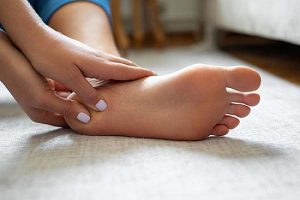
Your heel pain is more than discomfort—it’s a signal to take action.
Foot pain can be frustrating, especially when it shows up at different times of the day—right when you wake up, during your busy afternoon, or as you’re trying to relax in the evening. Understanding what causes foot pain at specific times can help you treat it more effectively and prevent it from disrupting your daily routine.
When you have foot or ankle pain you will try anything to make it stop, pain meds, creams, and toe stretchers. Think for a minute: what if the solution wasn’t a pill or a gadget, but food?
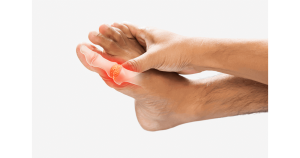
A foot affected by uric acid crystals shows inflammation, swelling, and intense pain, often centered around the big toe joint where sharp crystals have accumulated.
Uric acid is a natural waste product formed from the breakdown of purines—substances found in many foods and produced by the body. While it typically dissolves in the blood and exits through the kidneys into the urine, elevated levels can lead to serious health problems, particularly in the feet. In podiatry, uric acid is most commonly associated with a painful condition called gout, a form of inflammatory arthritis that can significantly impact mobility and quality of life. This article delves into the connection between uric acid and foot health, how podiatrists diagnose and treat gout-related foot conditions, and what patients can do to manage and prevent flare-ups.
How Running and Walking Affect Your Feet: Benefits, Risks, and Care Tips
Jogging places repeated stress on the feet, highlighting how regular running can impact foot health over time.
Walking and running are two of the most accessible forms of exercise, offering countless health benefits. But as simple and natural as these activities may seem, they can take a significant toll on your feet over time. Understanding the effects of running and walking on the foot is essential for preventing injury, maintaining mobility, and ensuring long-term foot health. In this article, we’ll explore the benefits, common problems, and expert care tips to keep your feet in top condition.
While flip-flops may be the unofficial shoe of summer, they shouldn’t be your go-to for everyday wear.
Flip-flop season has officially arrived in Houston, and as the temperatures rise, so does our love for easy-breezy footwear. It’s no surprise—flip-flops are convenient, affordable, and perfect for quick errands or poolside lounging. But here’s the kicker: that beloved pair of flat sandals might be doing more harm than good. In fact, flip-flops foot pain is one of the most common complaints podiatrists see during spring and summer.
If you’ve ever ended a day with aching arches, sore heels, or blisters from wearing your favorite pair of flip-flops, this article is for you. Let’s dive into how flip-flops affect foot health, signs of trouble, and what safer alternatives are out there.