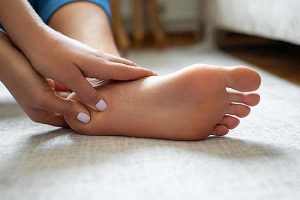
Your heel pain is more than discomfort—it’s a signal to take action.
Foot pain can be frustrating, especially when it shows up at different times of the day—right when you wake up, during your busy afternoon, or as you’re trying to relax in the evening. Understanding what causes foot pain at specific times can help you treat it more effectively and prevent it from disrupting your daily routine.
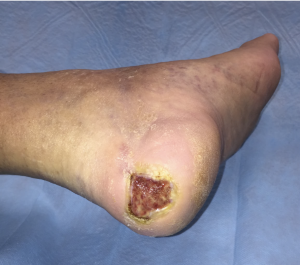
A diabetic foot wound is an open sore that often develops unnoticed due to nerve damage and can lead to serious complications if left untreated.
For people living with diabetes, foot care is not just about hygiene—it’s a critical part of preventing serious health complications. One of the most concerning and common issues is the development of a diabetic foot wound, also known as a diabetic foot ulcer. These wounds can start small, often unnoticed, but if left untreated, they can lead to severe infections, amputations, and even life-threatening complications.
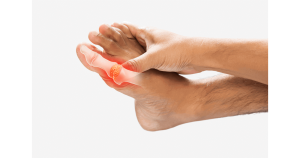
A foot affected by uric acid crystals shows inflammation, swelling, and intense pain, often centered around the big toe joint where sharp crystals have accumulated.
Uric acid is a natural waste product formed from the breakdown of purines—substances found in many foods and produced by the body. While it typically dissolves in the blood and exits through the kidneys into the urine, elevated levels can lead to serious health problems, particularly in the feet. In podiatry, uric acid is most commonly associated with a painful condition called gout, a form of inflammatory arthritis that can significantly impact mobility and quality of life. This article delves into the connection between uric acid and foot health, how podiatrists diagnose and treat gout-related foot conditions, and what patients can do to manage and prevent flare-ups.
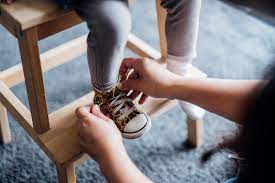
Always measure their feet regularly to make sure they’re wearing the right size!
Children’s feet grow faster than most parents realize. Understanding kids foot size is essential in keeping your child comfortable, active, and injury-free. Shoes that are too tight or too loose can cause discomfort, affect posture, and even lead to long-term foot issues. This guide will help you understand how children’s feet grow, how to measure them correctly, and how to choose shoes that fit just right.
Think about it: How many hours do you stand on concrete, steel, or unforgiving floors? Eight? Ten? Twelve? Now multiply that by years. That is thousands of hours of pounding pressure on your heels. Over time, that strain causes tiny tears in the heel tissue, and your body attempts to “repair” the damage by growing an extra bone, aka heel spurs.
How Running and Walking Affect Your Feet: Benefits, Risks, and Care Tips
Jogging places repeated stress on the feet, highlighting how regular running can impact foot health over time.
Walking and running are two of the most accessible forms of exercise, offering countless health benefits. But as simple and natural as these activities may seem, they can take a significant toll on your feet over time. Understanding the effects of running and walking on the foot is essential for preventing injury, maintaining mobility, and ensuring long-term foot health. In this article, we’ll explore the benefits, common problems, and expert care tips to keep your feet in top condition.