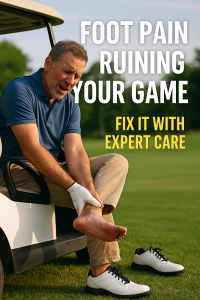
Golf may be relaxing, but foot pain doesn’t have to come with it.
Let‘s be real—life is not back to normal. Between hybrid work schedules, ever-changing routines, and that relentless Houston heat, we have all had to adapt. For former runners or gym-goers, that adaptation comes in the form of golf.
Yeah, golf has become the unexpected superstar of post-pandemic sports. But here’s the thing: while it might seem like a leisurely activity (especially if you’re riding in a cart with a cold drink), walking 18 holes is no joke for your feet. Golf can lead to painful foot problems if you are not careful.
When you have foot or ankle pain you will try anything to make it stop, pain meds, creams, and toe stretchers. Think for a minute: what if the solution wasn’t a pill or a gadget, but food?
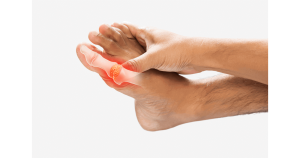
A foot affected by uric acid crystals shows inflammation, swelling, and intense pain, often centered around the big toe joint where sharp crystals have accumulated.
Uric acid is a natural waste product formed from the breakdown of purines—substances found in many foods and produced by the body. While it typically dissolves in the blood and exits through the kidneys into the urine, elevated levels can lead to serious health problems, particularly in the feet. In podiatry, uric acid is most commonly associated with a painful condition called gout, a form of inflammatory arthritis that can significantly impact mobility and quality of life. This article delves into the connection between uric acid and foot health, how podiatrists diagnose and treat gout-related foot conditions, and what patients can do to manage and prevent flare-ups.
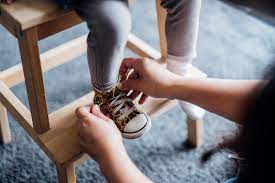
Always measure their feet regularly to make sure they’re wearing the right size!
Children’s feet grow faster than most parents realize. Understanding kids foot size is essential in keeping your child comfortable, active, and injury-free. Shoes that are too tight or too loose can cause discomfort, affect posture, and even lead to long-term foot issues. This guide will help you understand how children’s feet grow, how to measure them correctly, and how to choose shoes that fit just right.
Water parks are packed with fun—but also full of potential foot hazards like wet surfaces, bacteria, and sharp edges.
Water parks are a fantastic way to beat the heat, enjoy thrilling rides, and create lasting memories with family and friends. However, amidst the excitement and splashes, one crucial aspect often gets overlooked—your foot health. Water parks can expose your feet to a variety of risks, including fungal infections, cuts, blisters, and slips. Wet surfaces, communal areas, and constant moisture create an ideal environment for bacteria and fungi to thrive, making foot care a top priority during your visit.
In this comprehensive guide, we’ll walk you through 5 essential water park foot care tips to ensure your feet stay healthy, comfortable, and injury-free while you enjoy your summer adventures.
Running injuries are caused by a rapid training increase
Houston, lace up your sneakers, hit the Buffalo Bayou Trail at dawn, or push through that CrossFit WOD—only to be sidelined by a stabbing heel pain. Sound familiar? You are not alone. The city’s fitness craze has a sneaky downside: Houston heel pain from heel spurs and plantar fasciitis. But before you resign yourself to a life of ice packs and skipped workouts, let us talk about the game-changer keeping local runners on their feet—shockwave therapy treatment.