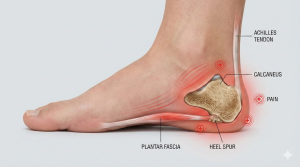
Foot spurs are a common condition affecting many individuals, often causing discomfort and limiting daily activities. These bony growths typically develop on the heel or along the underside of the foot, leading to pain and inflammation. Understanding foot spurs, their causes, symptoms, and treatment options is essential for effective management and relief.
What Are Foot Spurs?
A foot spur, also known as a heel spur, is a bony protrusion that forms on the heel bone (calcaneus). It is often associated with plantar fasciitis, where inflammation of the plantar fascia — the thick band of tissue that runs along the bottom of the foot — can lead to the development of a spur over time. According to the Mayo Clinic, this condition can be caused by repetitive stress on the foot, poor footwear, or high-impact activities.
Causes of Foot Spurs
Several factors contribute to the formation of foot spurs:
Overuse and Repetitive Stress: Activities that place excessive stress on the heels, such as running or standing for long periods, can lead to the development of foot spurs.
Improper Footwear: Wearing shoes that lack proper arch support or cushioning can increase the risk of heel spurs by putting strain on the plantar fascia.
Aging: As people age, the fat pad on the heel thins, leading to increased pressure on the bone and a higher likelihood of spur formation.
Obesity: Extra body weight can add more stress to the feet, resulting in conditions that promote spur development.
According to the American Podiatric Medical Association, other factors like underlying health conditions, including diabetes and arthritis, can also increase the likelihood of heel spur formation.
Symptoms of Foot Spurs
The symptoms of foot spurs can vary between individuals. However, common symptoms include:
Sharp Heel Pain: This is often worse in the morning or after prolonged periods of inactivity as the tissue tightens.
Swelling and Inflammation: The area around the heel may become tender and swollen.
Pain During Activity: Performing activities that require foot movement may exacerbate the pain.
Individuals experiencing these symptoms should seek medical advice, as early intervention could prevent further complications.
Diagnosis of Foot Spurs
Diagnosing foot spurs typically involves a thorough medical history and physical examination. A podiatrist will assess the foot and heel, checking for tenderness and swelling. Imaging tests like X-rays may be necessary to confirm the diagnosis. As noted by the Cleveland Clinic, X-rays can reveal the presence of a spur and any other underlying issues contributing to foot pain.
Treatment Options for Foot Spurs
Fortunately, several treatment options are available for individuals suffering from foot spurs:
Rest and Ice Therapy: Reducing physical activity can help alleviate pain and allow inflammation to subside.
Orthotic Devices: Custom or over-the-counter shoe inserts can provide arch support and alleviate pressure on the heel.
Physical Therapy: Stretching and strengthening exercises for the foot and calf muscles may promote healing and reduce pain.
Medication: Nonsteroidal anti-inflammatory drugs (NSAIDs) like ibuprofen can help manage pain and inflammation.
Injections: Corticosteroid injections may be considered for severe cases to reduce inflammation.
Surgery: In rare cases, surgical intervention may be needed to remove the spur or release the plantar fascia.
Consultation with a foot specialist is crucial to develop an appropriate treatment plan tailored to individual needs. The American Orthopaedic Foot & Ankle Society emphasizes the importance of early diagnosis and intervention for the best outcomes.
Prevention of Foot Spurs
Taking preventive measures can reduce the risk of developing foot spurs:
Choose Proper Footwear: Wear supportive shoes that fit well and are appropriate for your activities.
Maintain a Healthy Weight: Reducing excess weight can lower the amount of stress placed on the feet.
Incorporate Stretching Exercises: Engage in regular stretching to maintain flexibility and strength in the feet and calves.
Avoid Overtraining: Gradually increase the intensity of physical activities to prevent overuse injuries.
According to the NIH, lifestyle modifications can significantly improve foot health and minimize the chances of developing painful conditions like heel spurs.
Conclusion
Foot spurs can significantly impact daily life and physical activity due to associated pain and discomfort. If you’re experiencing symptoms, it’s essential to consult with a medical professional for an accurate diagnosis and effective treatment plan. Our Houston clinic specializes in podiatric care, ensuring that you receive personalized treatment for your unique needs. Don’t let foot pain hold you back—contact us today to schedule an appointment and take the first step towards relief!
Our Houston and Cypress podiatry team is committed to helping you move comfortably and prevent future foot problems. Call (832) 415-1790 or schedule online at www.denielfootandanklecenter.com.