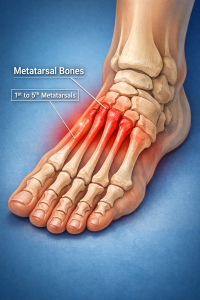
Metatarsal bones are five long midfoot bones connecting the ankle (tarsals) to the toes (phalanges), numbered from big toe to little toe.
Metatarsal pain, commonly referred to as metatarsalgia, is an umbrella term describing discomfort in the forefoot region, particularly affecting the metatarsal bones. These bones are located between the ankle and toes and are crucial for balance and movement. Experiencing pain here can disrupt daily activities and diminish quality of life. In this article, we’ll explore the causes, symptoms, prevention, and treatment options for metatarsal pain.
Common Causes of Metatarsal Pain
Multiple factors can contribute to metatarsal pain, making it important to understand the underlying causes for effective treatment.
Excessive Physical Activity: Engaging in high-impact sports or activities can cause stress on the metatarsals, leading to inflammation and pain. According to the American Orthopaedic Foot & Ankle Society, activities like running or jumping can exacerbate this condition.
Footwear Choices: Wearing shoes that lack proper arch support or are too tight can result in increased pressure on the metatarsals. A study published by the National Institutes of Health emphasizes the importance of proper footwear to mitigate foot pain.
Foot Structure: Flat feet or high arches can affect how weight is distributed across the foot, increasing the likelihood of metatarsal pain. Issues with foot structure are often inherited and can pose long-term challenges.
Medical Conditions: Conditions such as rheumatoid arthritis or diabetes can lead to inflammation in the foot, resulting in pain in the metatarsal area. According to the Cleveland Clinic, regular foot care is particularly vital for those with diabetes.
Symptoms of Metatarsal Pain
Identifying the symptoms of metatarsal pain can assist in early intervention and treatment. Common indicators include:
Aching or Sharp Pain: Pain can range from a dull ache to sharp, stabbing sensations, particularly during activity.
Swelling and Inflammation: The affected area may appear swollen or inflamed, indicating that something is wrong.
Difficulty Walking: Discomfort may hinder mobility, making walking or standing challenging.
Changes in Foot Shape: If there are visible alterations in the alignment of your foot, this may signal an underlying issue needing attention.
Preventing Metatarsal Pain
Proactive measures can significantly reduce the risk of developing metatarsal pain. Here are several strategies to consider:
Choose the Right Footwear: Opt for shoes that offer adequate cushioning and arch support. Avoid high heels and narrow shoes that can compress the foot. The American Podiatric Medical Association suggests looking for shoes that fit well and support your arch.
Strengthening Exercises: Engage in foot-strengthening exercises. Activities that improve foot and ankle strength can enhance stability and reduce injury risk. Techniques such as toe raises or using resistance bands can be beneficial.
Maintain a Healthy Weight: Carrying excess weight puts additional pressure on the feet. Maintaining a healthy weight can alleviate stress on the metatarsals. The National Institutes of Health offers valuable information on nutrition and maintaining a healthy weight.
Warm-Up and Cool Down: If you’re active in sports, ensure you warm up appropriately before engaging in activity and cool down afterward to minimize stress on your feet.
Treatment Options for Metatarsal Pain
If you are experiencing metatarsal pain, a variety of treatment options can help alleviate discomfort.
Rest and Ice Therapy: Reducing activity levels and applying ice packs to the affected area can decrease inflammation and provide pain relief.
Over-the-Counter Medications: Non-steroidal anti-inflammatory drugs (NSAIDs) like ibuprofen may help with pain management and reduce swelling.
Physical Therapy: A physical therapist can provide personalized treatment plans, including exercises that accommodate specific needs and enhance foot function.
Medical Intervention: In severe cases, consultation with a healthcare provider may lead to more advanced treatments, including corticosteroid injections or, in rare cases, surgery.
Conclusion
Metatarsal pain can be a debilitating condition that affects your everyday life. Understanding its causes, symptoms, and prevention strategies is essential for effective management. If you or a loved one is suffering from metatarsal pain, don’t hesitate to reach out for professional help. Our clinic in Houston/Cypress is here to assist with tailored treatment plans to get you back on your feet. Call us today or schedule a visit!
Whether you’re dealing with ongoing discomfort or a new foot concern, our Houston and Cypress podiatrist offer personalized treatment plans tailored to your needs. Call (832) 415-1790 or visit our website.