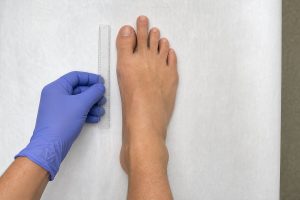
Short answer: Toe shortening surgery is a procedure that removes a small section of bone to shorten an overly long toe, then repositions it for better alignment. People consider it for reasons like pain, rubbing, difficulty with shoes, or appearance. Recovery takes several weeks and results vary. Not every long toe needs surgery.
At a glance:
Toe shortening surgery removes part of the toe bone and aligns the toe to reduce pain or improve appearance.
Common reasons include irritation, crowding in shoes, corns or calluses, and self-consciousness about toe length.
Recovery usually involves rest, limited activity, and special footwear while the toe heals over weeks.
Not all long toes require surgery; some symptoms are managed with conservative treatments like pads or custom orthotics.
Surgical results differ for each person, and there is no guarantee of perfect appearance or symptom relief.
What is toe shortening surgery?
Toe shortening surgery is a targeted procedure to reduce the length of a toe that is longer than normal. The podiatrist removes a small piece of bone, usually from the middle joint, then realigns and sometimes pins the toe to keep it in the correct position as it heals. The surgery is most often performed on the second toe but can be done on other toes based on the patient’s anatomy and symptoms.
During the procedure, your podiatrist typically makes a small incision, removes the extra length of bone, then secures the joint using a tiny pin or wire while the bone heals. Dissolvable stitches may be used in some cases. The overall goal is to restore a more natural, comfortable alignment and prevent future problems such as rubbing, deformity, or pain. X-rays are often used to guide the correction for each individual foot.
Why might someone consider toe shortening?
There are several reasons people choose toe shortening surgery. Many experience discomfort or pain due to a long toe rubbing against shoes, causing corns, calluses, blisters, or even wounds. Crowding or overlapping of the toes—often making shoes fit poorly—can limit activity or lead to embarrassment about the look of the foot.
Persistent toe pain despite wearing comfortable or wider shoes
Corns, calluses, or sores developing on the tip or top of the toe
Difficulty in finding shoes that fit comfortably or without putting pressure on the long toe
Cosmetic concerns if the shape or length of the toe causes self-consciousness
Those bothered mainly by appearance may want to discuss cosmetic foot surgery options, but if the long toe is painless, surgery might not be recommended. Other non-surgical options, such as custom shoes, toe pads, or simple shoe modifications, may be tried first. If the long toe is part of a more complex deformity such as hammertoe, the podiatrist may recommend a different procedure like hammertoe correction for best results.
What is recovery like and are there any limitations?
After toe shortening surgery, most patients can expect to wear a surgical shoe to protect the foot and keep pressure off the operated toe. Stitches or pins may stay in place for a few weeks; your podiatrist will provide clear instructions for keeping the area clean, changing bandages, and limiting physical activity during this time. Walking is usually possible with special footwear, though you’ll need to avoid high-impact activities until fully healed.
Some swelling, stiffness, and mild to moderate discomfort are expected for several weeks
Physical therapy or gentle stretching may be recommended to regain movement and strength
Results vary—most find improved function or toe appearance, but there is no guarantee of symmetry, perfect cosmetic result, or complete pain relief
Risks include infection, recurrence of the deformity, or stiffness; discuss these honestly with your podiatrist
Surgery is not needed for every long toe, especially if it is not painful or does not interfere with daily life. For some, conservative treatments such as orthotics, protective padding, or professional shoe fitting can effectively reduce pain or prevent further problems. It is important to set realistic expectations—surgery may resolve the main complaint, but every surgical result is unique and some limitations may remain. If you have conditions like diabetes or poor circulation, special precautions may be needed to promote healing and prevent complications.
When to see a podiatrist
Painful toe deformity that limits walking or daily activities
Recurrent sores, calluses, or wounds that don’t heal
Signs of infection (redness, swelling, warmth, or pus, especially with fever)
Difficulty fitting shoes due to toe length or position
Sudden inability to move or feel the toe after injury
If you have diabetes, poor circulation, or neuropathy and notice new changes in toe shape or skin
If your toe shape is causing discomfort or you are considering toe shortening surgery, our Houston and Cypress team can help you understand your options and set realistic expectations for outcomes. For first-time visitors, see our new patient information to learn more about visiting our foot and ankle clinic.