Foot pain? – Purchase Gabapentin Online
(832) 415-1790
15003 FM-529 Road Suite A, Houston, TX 77095
info@denielfootandanklecenter.com
Pay Now
DeNiel Foot & Ankle Center Logo
  • OUR DOCTOR
  • OUR CLINIC
  • Appointments
  • SERVICES
    • Achilles Tendon
    • Ankle Pain
    • Ankle Sprains
    • Arthritic Foot & Ankle Care
    • Athletes Foot
    • Bunion Surgery
    • Corns
    • Diabetic Foot Care
    • Flat Feet
    • Foot Pain
    • Foot Surgery
    • Toenail Fungus Treatment
    • Geriatric Foot Care
    • Hammertoes
    • Heel Pain
    • Ingrown Toenails
    • Heel Spurs
    • KeryFlex Nail Restoration System
    • Laser Treatment For Fungal Toenails
    • Morton’s Neuroma Treatment
    • Pediatric Foot Care
    • Plantar Fasciitis
    • Sports Medicine
    • Plantar Warts
    • Shockwave Treatment
    • Toe Shortening Surgery
    • Wound Care Specialist
  • FAQS
  • Patient Portal
  • Videos
  • BLOG
  • Pay Now
Location
Hours of Operation
Hours Of Operation
Mon-Fri 8:30 AM – 5:00 PM
Saturday By Appointment Only
Sunday Closed
Book An Appointment
Book An Appointment

DeNiel Foot & Ankle Center is offering online video visits for patients.

Book Online
+
HomeBlog Posts
  • 1
  • …
  • 78
  • 79
  • 80
  • 81
  • 82
  • …
  • 99
29Jul

Have I Broken My Toe?

by admin

A broken toe may result from dropping a heavy object on it, or if it is severely stubbed. There are noticeable symptoms that accompany a broken toe, including immediate pain and swelling around the affected area, and patients may notice their toe is bruised. Putting on shoes and performing daily activities may be difficult to accomplish, in addition to walking without pain and discomfort. Treatment options can include taping the injured toe to the one next to it, which is referred to as buddy taping. This is helpful in providing stability to the broken toe as the healing process occurs. Gentle toe stretching can be performed as a part of therapy after the splint is removed. This is beneficial in regaining a full range of motion. If you feel you have broken your toe, it is suggested to speak to a podiatrist who can offer you the correct treatment techniques.

A broken toe can be very painful and lead to complications if not properly fixed. If you have any concerns about your feet, contact Dr.Eji Shobowale from DeNiel Foot & Ankle Center. Our doctor will treat your foot and ankle needs.

What to Know About a Broken Toe

Although most people try to avoid foot trauma such as banging, stubbing, or dropping heavy objects on their feet, the unfortunate fact is that it is a common occurrence. Given the fact that toes are positioned in front of the feet, they typically sustain the brunt of such trauma. When trauma occurs to a toe, the result can be a painful break (fracture).

Symptoms of a Broken Toe

  • Throbbing pain
  • Swelling
  • Bruising on the skin and toenail
  • The inability to move the toe
  • Toe appears crooked or disfigured
  • Tingling or numbness in the toe

Generally, it is best to stay off of the injured toe with the affected foot elevated.

Severe toe fractures may be treated with a splint, cast, and in some cases, minor surgery. Due to its position and the pressure it endures with daily activity, future complications can occur if the big toe is not properly treated.

If you have any questions please feel free to contact our office located in Cypress, TX. We offer the newest diagnostic and treatment technologies for all your foot and ankle needs.

Read more about What to Know About a Broken Toe

29Jul

What to Know About a Broken Toe

by admin

Trauma to the foot, especially the toes, can occur in many ways. Banging them, stubbing them, or dropping something on them are a few different ways this trauma can occur. Given the fact that toes are positioned in front of the feet, they typically sustain the brunt of such trauma. When trauma occurs to a toe, the result can be a painful break or fracture. Another type of trauma that can break a toe is repeated activity that places stress on the toe for prolonged periods of time.

Broken toes can be categorized as either minor or severe fractures. Symptoms of minor toe fractures include throbbing pain, swelling, bruising on the skin and toenail, and the inability to move the toe with ease. Severe toe fractures require medical attention and are indicated when the broken toe appears crooked or disfigured, when there is tingling or numbness in the toe, or when there is an open, bleeding wound present on the toe.

Generally, a minor toe break will heal without long-term complications. However, it is important to discontinue activities that put pressure on the toe. It is best to stay off of the injured toe and immediately get a splint or cast to prevent any more additional movement of the toe bones. You can also immobilize your toe by placing a small cotton ball between the injured toe and the toe beside it. Then, tape the two toes together with medical tape. Swelling can be alleviated by placing an ice pack on the broken toe directly as well as elevating your feet above your head.

Severe toe fractures may be treated with a splint, cast, and in some cases, minor surgery, especially when the big toe has been broken. Due to its position and the pressure the big toe endures with daily activity, future complications can occur if it is not properly treated. Pain associated with minor toe fractures can be managed with over-the-counter pain medications. Prescription pain killers may be necessary for severe toe fractures.

The healing time for a broken toe is approximately four to six weeks. In severe cases where the toe becomes infected or requires surgery, healing time can take up to eight weeks or more. While complications associated with a broken toe are immediately apparent, it is important to note that there are rare cases when additional complications, such as osteoarthritis, can develop over time. You should immediately speak with your podiatrist if you think you have broken your toe due to trauma. They will be able to diagnose the injury and recommend the appropriate treatment options. 

22Jul

Why Do My Heels Hurt and What Can I Do About It?

by admin

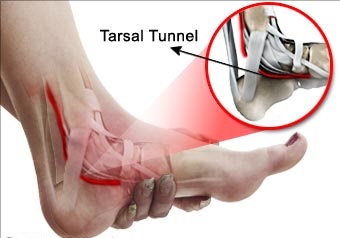
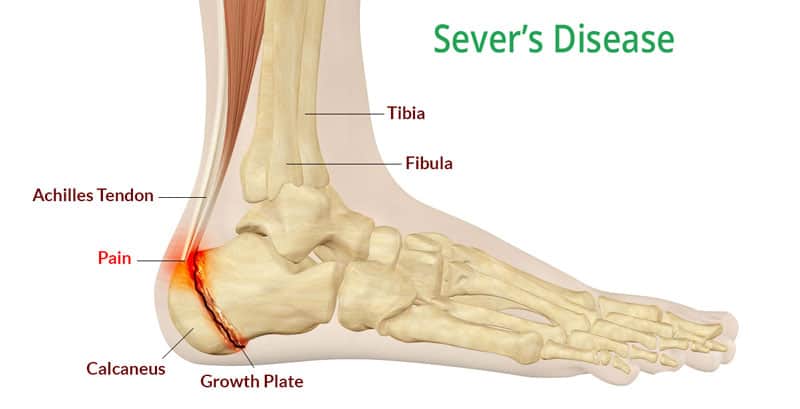
Heel pain is a rather common foot problem. The pain will usually occur under the heel, towards the front of the heel, or just behind it, where the Achilles tendon connects to the heel bone. The most common cause of heel pain is plantar fasciitis, which is pain under the heel. Other causes include arthritis, heel bursitis and bumps, tarsal tunnel syndrome, stress fractures, Sever’s disease and Achilles tendinitis. The most common remedies for heel pain are rest, proper fitting footwear and applying ice to the afflicted area. If you are experiencing some kind of heel pain, it is suggested to go see a podiatrist.


Many people suffer from bouts of heel pain. For more information, contact Dr.Eji Shobowale of DeNiel Foot & Ankle Center. Our doctor can provide the care you need to keep you pain-free and on your feet.

Causes of Heel Pain

Heel pain is often associated with plantar fasciitis. The plantar fascia is a band of tissues that extends along the bottom of the foot. A rip or tear in this ligament can cause inflammation of the tissue.

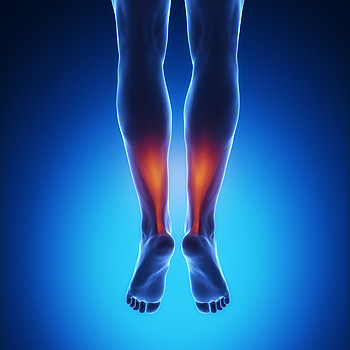
Achilles tendonitis is another cause of heel pain. Inflammation of the Achilles tendon will cause pain from fractures and muscle tearing. Lack of flexibility is also another symptom.

Heel spurs are another cause of pain. When the tissues of the plantar fascia undergo a great deal of stress, it can lead to ligament separation from the heel bone, causing heel spurs.

Why Might Heel Pain Occur?

  • Wearing ill-fitting shoes
  • Wearing non-supportive shoes
  • Weight change
  • Excessive running

Treatments

Heel pain should be treated as soon as possible for immediate results. Keeping your feet in a stress-free environment will help. If you suffer from Achilles tendonitis or plantar fasciitis, applying ice will reduce the swelling. Stretching before an exercise like running will help the muscles. Using all these tips will help make heel pain a condition of the past.

If you have any questions please contact our office located in Cypress, TX. We offer the newest diagnostic and treatment technologies for all your foot and ankle needs.

Read more about Heel Pain

22Jul

Heel Pain

by admin

Have you ever gotten up from a chair or out of bed in the morning, and upon taking that first step, feel like your heel has stepped on a tack? Many people experience a feeling of sharp pain which radiates into their arch from their heel and which does not allow them to put their heel on the floor. Sometimes they need to sit back down, stand only on their toes and use the wall for balance. If you can take a few steps, it seems to go away and lessen, allowing you to then resume your activity. Later, throughout your day and after a period of rest, it can happen again. If this sounds familiar you may be suffering from your first attack of heel pain.

Heel pain is a debilitating condition that affects day to day activities. Running and walking both causes stress on the heel because the heel is the part of the foot that hits the ground first. This means that the heel is taking on your entire weight. Diagnosis and treatments for heel pain can be easily found through your podiatrist.

Plantar Fasciitis

One of the main causes of heel pain is a condition known as plantar fasciitis. The plantar fascia is a band of tissue that extends along the bottom of the foot, from the toe to the bottom of the heel. A rip or tear in this ligament can cause inflammation of these tissues, resulting in heel pain. People who do not wear proper fitting shoes are often at risk of developing problems such as plantar fasciitis. Unnecessary stress from ill-fitting shoes, weight change, excessive running, and wearing non-supportive shoes on hard surfaces are all causes of plantar fasciitis.

Achilles Tendonitis

Achilles tendonitis is another cause of heel pain. Similar to plantar fasciitis, inflammation of the Achilles tendon will cause heel pain due to stress fractures and muscle tearing. A lack of flexibility of the ankle and heel is an indicator of Achilles tendonitis. If left untreated, this condition can lead to plantar fasciitis and cause even more pain on your heel.

Heel Spur

A third cause of heel pain is a heel spur. A heel spur occurs when the tissues of the plantar fascia undergo a great deal of stress, leading to a separation of the ligament from the heel bone entirely. This results in a pointed fragment of bone on the ball of the foot, known as a heel spur.

19Jul

Gout Pain Can Be Managed

by admin

Gout is a form of arthritis that can affect anyone. Schedule a visit to learn about how gout can be managed and treated.

15Jul

What Is Cuboid Syndrome?

by admin

If you have pain on the outside of your foot, you may have cuboid syndrome. The cuboid is a bone on the outer part of your foot. The ailment occurs when this bone moves out of its place. There is no concrete test for cuboid syndrome, so many times, the pain is misdiagnosed. If you have sprained your ankle before, engage in activities such as ballet or running, or have flat feet, you may be more likely to incur this condition. Luckily, this infliction is typically simple to treat. For example, you can perform exercises in order to strengthen the foot. Additionally, a doctor may be able to manipulate the foot to put the cuboid bone back in its proper location. Medical tape, orthotics, and a “cuboid wedge” could also be used to fix the placement of the bone. For relief from the discomfort, you can apply ice to your foot and rest as much as possible. If you believe you may have this condition, it is suggested that you consult with a podiatrist.

Cuboid syndrome, also known as cuboid subluxation, occurs when the joints and ligaments near the cuboid bone in the foot become torn. If you have cuboid syndrome, consult with Dr.Eji Shobowale from DeNiel Foot & Ankle Center. Our doctor will assess your condition and provide you with quality foot and ankle treatment.

Cuboid syndrome is a common cause of lateral foot pain, which is pain on the outside of the foot. The condition may happen suddenly due to an ankle sprain, or it may develop slowly overtime from repetitive tension through the bone and surrounding structures.

Causes

The most common causes of cuboid syndrome include:

  • Injury – The most common cause of this ailment is an ankle sprain.
  • Repetitive Strain – Tension placed through the peroneus longus muscle from repetitive activities such as jumping and running may cause excessive traction on the bone causing it to sublux.
  • Altered Foot Biomechanics – Most people suffering from cuboid subluxation have flat feet.

Symptoms

A common symptom of cuboid syndrome is pain along the outside of the foot which can be felt in the ankle and toes. This pain may create walking difficulties and may cause those with the condition to walk with a limp.

Diagnosis

Diagnosis of cuboid syndrome is often difficult, and it is often misdiagnosed. X-rays, MRIs and CT scans often fail to properly show the cuboid subluxation. Although there isn’t a specific test used to diagnose cuboid syndrome, your podiatrist will usually check if pain is felt while pressing firmly on the cuboid bone of your foot.

Treatment

Just as the range of causes varies widely, so do treatments. Some more common treatments are ice therapy, rest, exercise, taping, and orthotics.

If you have any questions, please feel free to contact our office located in Cypress, TX. We offer the newest diagnostic and treatment technologies for all your foot care needs.


Read more about Cuboid Syndrome

  • 1
  • …
  • 78
  • 79
  • 80
  • 81
  • 82
  • …
  • 99

Search Our Blog Articles

Date Posts

May 2026
M T W T F S S
 123
45678910
11121314151617
18192021222324
25262728293031
« Apr    

Tags

ankle sprain (18) bunion (22) bunion doctor (15) bunion surgery (11) cause of neuropathy (13) corn on the bottom of foot (10) corns on feet (15) cracked heel (10) custom orthotics (13) Deniel Foot & Ankle Center (17) diabetes and feet (18) diabetic foot (19) diabetic foot care (25) diabetic foot ulcer (13) diabetic foot ulcers (12) flat feet (13) Foot and Ankle Sprain Specialist in Houston TX (11) foot care (10) foot exercises for foot pain (13) foot fungus (21) foot fungus and athlete's foot (13) foot health (11) foot heel pain causes (12) foot pain (77) foot pain houston (24) foot pain relief (21) fungal toenails (15) healing a sprained ankle (10) heel pain (44) heel pain relief (31) houston foot doctor (18) houston podiatrist (31) ingrown toenail (13) nail fungus (10) peripheral neuropathy (21) Plantar fasciitis (53) plantar fasciitis treatment (13) running injuries (12) sports injury treatment houston (13) sprained ankle treatment (10) sprain treatment (13) swollen feet during pregnancy (11) tingling foot pain (16) toenail fungus (35) toenail fungus treatment (25)
DeNiel Foot & Ankle Center Logo

abmp acfas temple Winona

Connect With Us

Our Contacts

  • 15003 FM-529 Road Suite A
    Houston, TX 77095 Get directions on the map
  • Phone: (832) 415-1790, Fax: (281) 619-7998
  • info@denielfootandanklecenter.com
Copyright © DeNiel Foot & Ankle Center    |   
Privacy Policy    |   
Sitemap
For emergency cases      (832) 415-1790