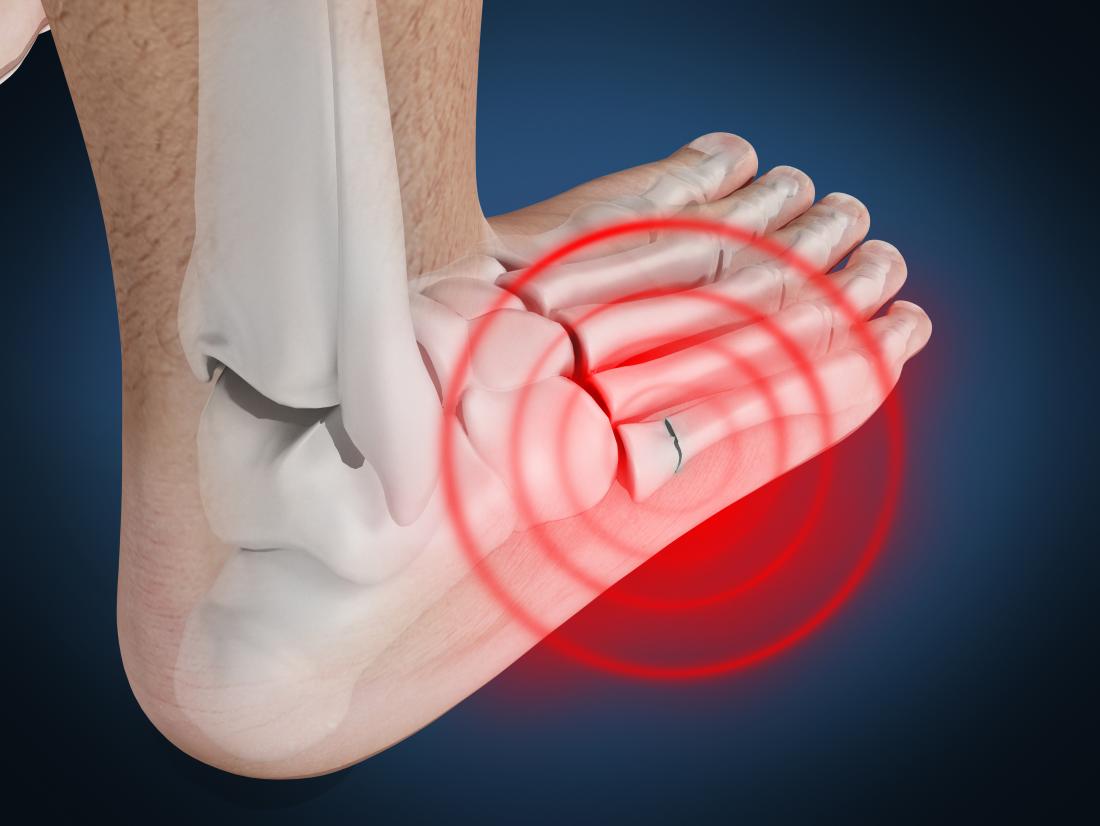
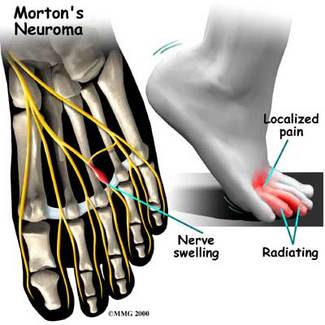
Morton neuroma is the thickening of the tissue around leading to the toes. This is a painful foot condition that affects the ball of your foot, especially in the middle of the third and fourth toes. The pain is sharp and burning and sometimes your toes feel numb. With Mortons feet, you always feel like you are standing on a fold in your sock or as if you are standing on a pebble.
Diagnosis
The neuroma specialist conducts a physical examination by pressing on the foot to determine the tender spot. Further examination is recommended to rule out other issues that could be causing the foot pain. An ultrasound would be the best exam because it uses sound waves to create a real-time image of the internal structures of the body. It will reveal the abnormalities of the neuromas. An x-ray can be done to rule out foot pain causes like a stress fracture. The MRI (Magnetic resonance imaging) uses a strong magnetic field and radio waves to visualize the soft tissues such as the neuromas. This is used when the patient is showing no symptoms of Morton neuromas, but the doctor suspects it could be the issue causing the patient discomfort.
Morton’s neuroma can be uncomfortable and painful to live with. If you think you have Morton’s neuroma and need neuroma treatment, please reach out to the podiatrist at DeNiel Foot and Ankle Center. Their doctor, Dr. Ejodamen Shobowale will take care of all your foot and ankle needs plus answer any questions related to foot issues.
Risk factors contributing to Morton’s neuroma
Foot deformities such as hammertoes, bunions, flat feet, high arches leave the patients susceptible to the development of this condition.
High heels or ill-fitting shoes and too-tight shoes, put extra pressure on the ball of the foot and your toes.
High impact athletic activities such as running or jogging, are subject to repetitive trauma to the feet. Also, sports that feature tight shoes such as rock climbing or skiing put pressure on your shoes.
Overweight people risk getting Morton neuroma because once they wear a high-heeled shoe the extra weight puts extra pressure on the feet.
Managing neuroma foot
There are various ways of managing the foot condition to improve the symptoms
Relieve pressure off the foot by using over the counter shoe pads.
Wear more supportive shoes with a wide toe box. If they have laces avoid tying them too tight. It is recommended that you wear shoes with proper insoles and shock-absorbent soles.
Avoid pointed toed shoes or too tight shoes. Wear shoes whose heels are not more than 2 inches.
Apply ice to the inflamed area to reduce swelling and pain.
Rest your feet as much as possible.
Massage the painful area of the foot.
Wear proper athletic footwear with enough padding to cushion the balls whenever you’re taking part in sports or exercising.
Reduce or manage your body weight so that you improve on the amount of pressure put on your feet.
Neuromatreatment
Medications
Drugs temporally relieve symptoms of Morton’s Neuroma including pain, though, using medications for long is highly discouraged. Some of the medications used include corticosteroid injections and alcohol sclerosing injections. There are anti-inflammatory drugs that are taken orally to reduce inflammation such as aspirin and ibuprofen. You can have an anesthetic injection to temporarily relieve the pain through numbing the affected nerve.
Orthotics
Custom designed shoe inserts that reduce the pain by offloading the pressure off the nerve. The metatarsal pad is placed in the shoe insole for effective working. Custom made shoe inserts are individually designed to fit the different contours of your foot.
Surgery
When medication and management methods do not effectively relieve pain surgery is the next option. The surgical procedure known as neurectomy is used to remove part of the nerve tissue. Before the neurectomy is performed there is a procedure called cryogenic Neuro ablation therapy. In this procedure, cold temperatures are applied to the nerves to destroy the sheath that covers the nerve and the nerve cells. Patients who have undergone this therapy are less likely to experience the symptoms of Morton neuroma again.
Decompression surgery can be done by cutting the structures nearby the nerve to relieve the pressure. Some of the structures removed include ligaments that bind the bones.
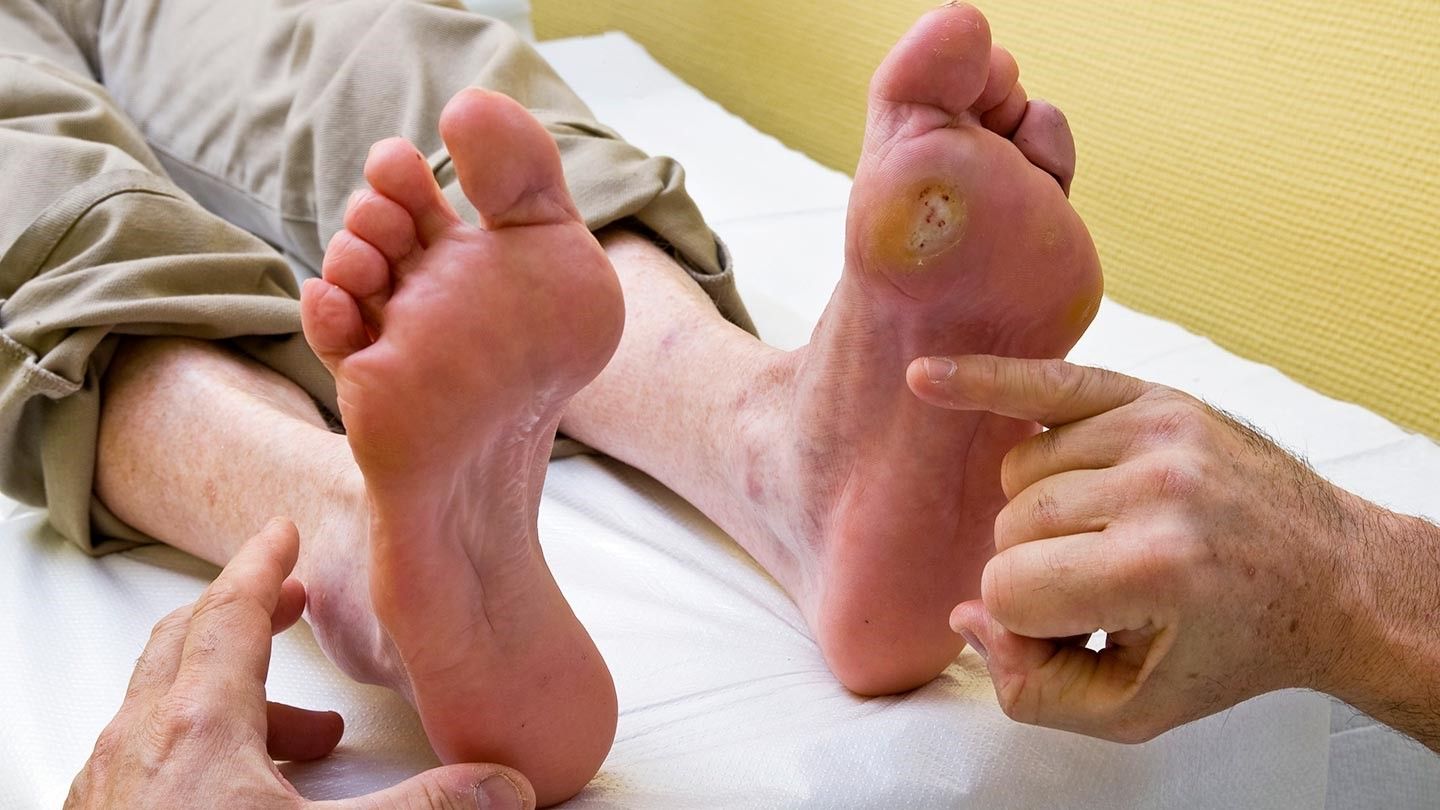
A wound occurs when the internal tissue is exposed to the skin, due to an external or internal injury. Most people conduct wound care at home but consult a podiatrist for proper diabetic wound care. Seek diabetic foot ulcer treatment from a podiatrist to avoid the development of complications that may lead to hospitalization of patients. Foot ulcers for diabetic patients can lead to amputation if wound care treatment is not well done.
Wound care treatment
There are basic principles for wound care; ensure you wear protective gear when attending to a wound.
Hemostasis – Applied to significant wounds with bleeding to stop the bleeding. The bleeding is stopped by reducing the bleeding or aiding the hemostasis process. Some of the techniques used include elevation, suturing, pressure, or tourniquet.
Cleaning the wound – This promotes healing and reduces the infection. Five main steps of wound cleaning are
Disinfect all around the wound without getting detergents and alcohol into the injured area.
Decontaminate by removing foreign bodies from the wound.
Debride any tissues around the wound.
Wet the wound with saline if no obvious contamination can be seen. Saline should be stored in a sterile container.
For heavily soiled wounds, open foot fractures, puncture wounds, and animal bites use antibiotics. It is advisable to introduce antibiotics at the first sign of wound infection.
Skin closure – This aids the wound healing using skin adhesive strips, tissue adhesive glue, sutures, and staples are some skin closure techniques for the edge of the wounds.
Dress the wound – This effectively reduces contamination and infection of the injury. When dressing, the first layer should be saline-soaked, followed by an absorbent material layer to attract wound exudates. Finally, use a soft gauze to secure the dressing in place. It is advisable to get tetanus immunization if not already done.
Diabetic foot ulcer treatment
Patients using insulin are at a higher risk of developing a foot ulcer. Also, for overweight people or people who use alcohol and tobacco the risk is high. A diabetic foot ulcer develops due to lack of feeling in the foot, trauma, foot deformities, and irritation. Pain may not be felt by diabetic patients. Seek podiatric medical care for diabetic foot ulcer treatment. This reduces the risk of wound infection leading to amputation. To appropriately treat a diabetic foot ulcer, ensure that you:
Prevent infections.
Offload or take the pressure off the wound.
Regularly remove dead tissue and skin from the wound.
Apply dressing and medication to the ulcer.
Manage blood glucose under tight control to avoid ulcer infection.
Clean the wound daily and dress it.
Ensure adequate circulation on the ulcerated area with the help of a podiatrist.
Surgical treatment – If other ulcer treatments are not effective, surgical management may be used to correct deformities and shave or excision the bone.
The time needed for healing depends on different factors including wound care management used and the diabetic foot ulcer treatment used.
Over at DeNiel Foot and Ankle Center located in Houston, Texas, and covering surrounding areas like Cypress, and Katy, TX. Ejodamen Shobowale, DPM and her highly skilled staff provide personalized comprehensive care for all your podiatry and sport medicine needs. Whether the issue is foot-related like hammertoes, or toenail fungus or involves pain in the heel , nerves, or joints, Dr. Sho, as she is fondly called, can get you back on your feet in no time.
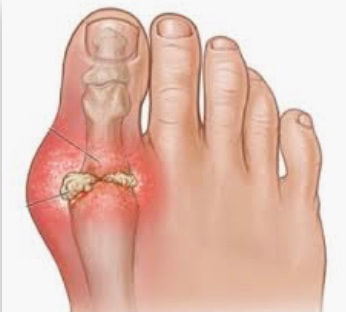
Gout is an inflammatory arthritis affecting one joint at a time. The condition is also known as hyperuricemia, characterized by too much uric acid present in the body. The body is responsible for uric acid production as waste when it is breaking down purines from foods we eat. Once there is extra uric acid in the body, the acidic crystals build up in joints, tissues, and fluids inside the body. Hyperuricemia does not always cause gout, however, if the condition is without gout symptoms, there is no need to treat it.
Foods that cause gout
Foods trigger an attack by raising uric acid levels. Foods that cause gout are high in purine, a natural substance in foods. People with gout cannot efficiently remove excess uric acid from their bodies, causing accumulation and an attack.
Foods that trigger gout attacks contain moderate to a high number of purines.
Organ meats include liver, brain, kidneys, and sweetbreads.
Game meats like veal, pheasant, and venison.
Seafood such as crab, shrimp, scallops, and roe.
Fish including tuna, herring, haddock, trout, sardines, and mackerel.
Sugar-sweetened beverages and fructose increase the risk of developing gout or cause gout attacks. These include sugary sodas and fruit juices.
Added sugars such as honey, high -fructose corn syrup, and agave nectar.
Yeasts including nutritional yeast, yeast supplements, and brewers’ yeast.
Refined carbs from cakes, white bread, and cookies.
Gout symptoms
Gout symptoms can be sudden but often happen at night. When the symptoms are worse, they are called flares and when they are less noticeable it is known as remission.
Joint pain, especially the large joint of your big toe, although it can happen on any joint on the ankles, elbows, fingers, and wrists. The pain is severe in the first 12 hours of happening.
The discomfort usually happens after the pain subsides. It can last up to a few weeks, but later flares cause prolonged discomfort to the affected joints.
Redness and inflammation of the affected joints.
Limited range of motion for the affected joints.
Gout treatment
Gout can be treated with medications and self-management strategies. Both methods have three roles to reduce inflammation, pain, and gout attacks. There are conventional treatments and traditional treatments.
Self-management strategies include adjusting your diet to reduce the number of acute gout attacks by lowering the level of uric acid in the blood. Some dietary adjustments include
Eliminate or reduce alcohol (beer).
Drink a lot of non-alcoholic drinks, mainly water.
Eat non-fat or low-fat dairy products.
Take soy products, low-fat dairy products, and vitamin C to prevent gout attacks.
The intake of high-fat dairy products or full-fat products does not affect uric acid levels.
Eating high purine vegetables does not trigger gout attacks.
Take plant-based proteins like legumes and beans.
Eat complex carbohydrates, vegetables, fruits, and whole-grain bread.
Xanthine oxidase inhibitors reduce uric acid produced by the body.
Non-steroidal anti-inflammatory drugs that reduce inflammation and pain associated with a gout attack.
Probenecid improves the function of the kidney and its ability to remove uric acid.
At DeNiel Foot and Ankle Center located in Houston, Texas, Ejodamen Shobowale, DPM and her caring staff strive to provide the best comprehensive care for all podiatry and sport medicine related issues. If the foot and ankle issue, is foot-related like toenail fungus or heel pain, or involves foot deformities such as bunions or hammertoes, the foot specialist at DeNiel Foot and Ankle Center can get you back on your feet as quickly as possible
A bunion can be painful, and affects the function and movement of the joint. A foot doctor might recommend surgical intervention to offer instant relief. Minimally invasive bunion surgery Houston
is becoming a popular option for treatment that started with the Kramer osteotomy and K-wire.
Why should you consider minimally invasive bunion surgery Houston? Minimally invasive surgery is preferred for mild and moderately painful bunions since
it facilitates easier recovery. For severe bunions, patients undergo open surgery to fix the symptoms of the condition.
The term minimally invasive encompasses a variety of incisional approaches and bunion correction methods. The techniques have been evolving over the past decades.
Best bunion surgeons successfully execute realignment using minimally invasive techniques. Depending on the severity of the bunion, several correction methods are used,
such as realignment osteotomy (bone cutting and bone shaving) or fusion that is bone mending.
Podiatrists use specialized equipment that allows bony correction through small incisional portals made on the skin of the foot.
Minimally invasive bunion surgery Versus bunionectomy
Use of high speed, small cone-shaped bone burs to shave and cut the bony segments, while bunionectomy uses large flat bone saws.
Tiny incisions made during the surgery allow quick recovery while bunionectomy is open surgery that takes significant time to recover.
Experience less after surgery pain that goes away after a short period, allowing you to back to your activities,but after a bunionectomy, you need physical therapy to build strength in your joints.
A short operative and recovery time while for bunionectomy you might not be able to walk for a few weeks.
Minimally invasive procedures offer bunion correction with minimal trauma and disruption of the overlying soft tissue and skin.
Are you the best candidate for minimally invasive bunion surgery?
When conducted by the best bunion surgeon, most bunions can be corrected using minimally invasive techniques. Moderate bunions are easy to correct,
as compared to large and small bunions. Large bunions might require stable fixation and translations, while small bunions pose a challenge orienting the surgical hardware.
A minimally invasive procedure is ideal for active and healthy patients although these surgical procedures are not the best for every bunion patient.
Arthritic patients may require different surgical procedures. Smoking is not a contradiction in best bunion surgery; however, it might delay the bone healing process after surgery.
For patients with osteoporosis, the bone quality might require a restrictive postoperative course.
Are there potential complications?
Minimally invasive procedures are not immune to post-surgical complications. Some complications are more amplified, while other complications have fewer effects.
Other bunion surgery complications include infections, recurrence, regional pain syndrome, and joint stiffness.
A minimally invasive realignment with screw fixation has fewer complications and superior outcomes, making it the best bunionectomy procedure.
The techniques and procedures, continue to evolve due to the emergence of new surgical screws and specialized instruments.
Houston bunion surgery today allows tiny incisions, walking recovery, and an easy recovery process.
Over at the DeNiel Foot and Ankle Center in Houston , Texas, covering surrounding areas such as Katy, and Cypress, TX. For all your podiatry
and sports medicine needs, Ejodamen Shobowale, DPM and her highly qualified staff provide personalized comprehensive care.
Dr. Sho, as she is affectionately called, will get you back on your feet in no time, regardless of the patient’s issue.
Morton’s neuroma causes thickening of the tissue around the nerves leading to your toes. It is a painful condition affecting the ball of your foot between the third and fourth toes and the tissue around the nerves. Neuroma foot feels like you are standing on a pebble or a fold in your sock. It causes a burning, sharp pain in the ball of the foot that radiates into the toes. The toes may feel numb, sting, tingling, and a burning sensation.
Who is vulnerable to developing Morton’s Neuroma?
Certain footwear
Shoes that are ill-fitting or high heeled shoes place extra pressure on the toes, and the ball of the foot causes the development of Morton’s Neuroma. It commonly affects women who wear high heels more because of compressing the toes together.
Certain sporting activities
High impact athletic activities that cause repetitive trauma to the feet, such as running and jogging, put extra pressure on the nerve of the foot. Also, sports that require wearing tight shoes such as rock climbing and snow skiing that puts pressure on your toes.
Foot deformities
Experts believe foot deformities are be associated with Morton’s Neuroma development. It is because the conditions cause the metatarsal bones to rub against the nerves. If you have the following, you might be vulnerable to the development of neuroma foot:
Hammertoes, where the middle joint of the toe is bent, and pressure is applied when one has footwear on.
A bony swelling, known as a bunion, puts pressure on the nerves of the foot.
Irregularly positioned toes.
Flat feet if you have a low arch or have no arch at all.
High arches that cause the instep of the foot to be raised.
Overweight
If you are overweight, you are at risk because the extra weight puts pressure on your feet. If you add footwear, it causes pressure to build on the nerves in the foot.
Home remedies
If you are experiencing pain from Morton’s neuroma, consider self-care to allow the nerve to heal.
Take over the counter anti-inflammatory medications to relieve pain and reduce swelling.
Use ice packs regularly massage to reduce pain. Roll the pack over the affected area and painful site.
If you are suffering due to foot deformities, you can buy footpads and arch supports. Fit inside your shoe to reduce the pressure placed on the nerve. They are available over the counter or consult a foot doctor who can mold an exact fit for your foot.
Change your footwear to lower heeled shoes or shoes with extra depth and a broad toe box.
Take a break from active sports. You can reduce aerobic exercises, jogging, or dancing that put extra pressure on your feet.
If these home remedies do not work, the doctor might recommend other Morton’s neuroma treatment such as steroid injection, decompression surgery, and in severe cases, removal of the nerve is done.
Here at DeNiel Foot and Ankle Center located in Houston, Texas, and covering surrounding areas like Cypress, and Katy, TX. Ejodamen Shobowale, DPM and her highly skilled staff provide personalized comprehensive care for all your podiatry and sport medicine needs. Whether the issue is foot-related like hammertoes, or toenail fungus or involves pain in the heel , nerves, or joints, Dr. Sho, as she is fondly called, can get you back on your feet in no time.
As we get older, falling could lead to a broken foot or foot fractures that may be the beginning of several hospital trips and health problems. A simple fall could turn into a broken foot, broken ankle, fractured ankle, foot fracture, and a lifetime problem. The risk of falling and developing fall-related complications increases as you get older. The fear of falling is real across those who have experienced a fall and those who have not. Lifestyle and personal factors that can be changed cause falls. It is critical to prevent falling, broken foot, and foot fractures by maintaining your health by
Maintaining your bone health
If you maintain the strength of your bones, you will prevent fractures. Healthy bones will not prevent a fall, but the bones will not be prone to fractures that will lead to many hospital trips, sometimes disability, and in severe cases, death. You can improve your bone health at any age by increasing the intake of vitamin D and calcium. Some people prefer taking supplements, but you can include good sources of calcium such as dark green leafy vegetables, dairy products, foods fortified with calcium, sardines, soybeans, nuts such as almonds, and salmon with bones. Vitamin D helps the body absorb calcium and is absorbed by the body when one is out in the sun. For older people, the body does not absorb enough vitamin D from the sun, so they need to increase the intake of foods rich in vitamin D or supplements.
Be physically active
Being physically active is a guard to future falls and cracks, it fortifies the muscles, and builds adaptability. Physical activity improves your sleep, decreases pain from arthritis, and avoids muscle shrinkage. Also, the lungs and heart work well and improve blood flow preventing blood clots.
Have your hearing and eyesight tested
Changes in sight and hearing may cause a fall causing an ankle break and fractures. Once your eyesight is tested, and if you get new contact lenses, get used to them before moving around with them but always wear them whenever needed. If you have a hearing aid, ensure it fits and you have it all the time.
Have your medicine reviewed
It is crucial to understand the side effects of the medications you are on. Some might cause imbalance, dizziness, confusion, and make you sleepy. Some medications escalate the side effects when used together. Carry them all and any additional supplements you are taking to the doctor for you to get correct guidance if they are causing the risk of falling. If it is necessary to continue with the medications, the doctor will give you the way forward on the prevention of falling when on medication.
Always wear safe footwear
Our feet have lots of nerves that judge the position of our bodies and they need to stay firmly on the ground when standing or taking steps. You can contact a foot doctor who will explain what kind of footwear is suitable for your feet. The soles of the shoes should not be too thick or too thin. Wear rubber-soled shoes, lace shoes, and non-skid shoes that will fully support your feet. Always keep track of how many times you fall although you did not get hurt and share these concerns with a health care professional. It could be a sign of medical problems and sometimes they might recommend physical therapy or the use of walking aids to prevents future falls.
At DeNiel Foot and Ankle Center located in Houston, Texas, Ejodamen Shobowale, DPM and her caring staff strive to provide the best comprehensive care for all podiatry and sport medicine related issues. If the foot and ankle issue, is foot-related like toenail fungus or heel pain, or involves foot deformities such as bunions or hammertoes, the foot specialist at DeNiel Foot and Ankle Center can get you back on your feet as quickly as possible.



 Gout is an inflammatory arthritis affecting one joint at a time. The condition is also known as hyperuricemia, characterized by too much uric acid present in the body. The body is responsible for uric acid production as waste when it is breaking down purines from foods we eat. Once there is extra uric acid in the body, the acidic crystals build up in joints, tissues, and fluids inside the body. Hyperuricemia does not always cause gout, however, if the condition is without