Foot pain? – Purchase Gabapentin Online
(832) 415-1790
15003 FM-529 Road Suite A, Houston, TX 77095
info@denielfootandanklecenter.com
Patient Portal
DeNiel Foot & Ankle Center Logo
  • OUR DOCTOR
  • OUR CLINIC
  • Appointments
  • SERVICES
    • Achilles Tendon
    • Ankle Pain
    • Ankle Sprains
    • Arthritic Foot & Ankle Care
    • Athletes Foot
    • Bunion Surgery
    • Corns
    • Diabetic Foot Care
    • Flat Feet
    • Foot Pain
    • Foot Surgery
    • Toenail Fungus Treatment
    • Geriatric Foot Care
    • Hammertoes
    • Heel Pain
    • Ingrown Toenails
    • Heel Spurs
    • KeryFlex Nail Restoration System
    • Laser Treatment For Fungal Toenails
    • Morton’s Neuroma Treatment
    • Pediatric Foot Care
    • Plantar Fasciitis
    • Sports Medicine
    • Plantar Warts
    • Shockwave Treatment
    • Toe Shortening Surgery
    • Wound Care Specialist
  • FAQS
  • Financing
  • Videos
  • BLOG
  • Patient Portal
Location
Hours of Operation
Hours Of Operation
Mon-Fri 8:30 AM – 5:00 PM
Saturday By Appointment Only
Sunday Closed
Book An Appointment
Book An Appointment

DeNiel Foot & Ankle Center is offering online video visits for patients.

Book Online
+
HomeBlog Posts
  • 1
  • …
  • 83
  • 84
  • 85
  • 86
  • 87
  • …
  • 101
20May

Are You Suffering from Ingrown Toenails?

by admin

If left untreated, an ingrown toenail can lead to greater issues. Give us a call, and get treated!

13May

Possible Reasons Why Bunions May Develop

by admin

A bunion is considered to be a deformity of the bone. It appears as a protrusion on the side of the big toe, and is often swollen and painful. It is possible for the foot to change shape, and the style of the shoes may have to be altered. The reasons bunions develop can include genetic factors, wearing shoes that fit incorrectly, or medical conditions such as gout or rheumatoid arthritis. This condition can be treated by using bunion pads or wearing custom made orthotics. These may be helpful in alleviating pressure on the foot that comes from the bunion. If this ailment is causing severe pain and daily activities are difficult to complete, surgery may be a consideration for permanent removal of the bunion. Please consult with a podiatrist if you are afflicted with a bunion, and would like additional treatment options.

If you are suffering from bunion pain, contact Dr.Eji Shobowale of DeNiel Foot & Ankle Center. Our doctor can provide the care you need to keep you pain-free and on your feet.

What Is a Bunion?

Bunions are painful bony bumps that usually develop on the inside of the foot at the joint of the big toe. As the deformity increases over time, it may become painful to walk and wear shoes. Women are more likely to exacerbate existing bunions since they often wear tight, narrow shoes that shift their toes together. Bunion pain can be relieved by wearing wider shoes with enough room for the toes.

Causes

  • Genetics – some people inherit feet that are more prone to bunion development
  • Inflammatory Conditions – rheumatoid arthritis and polio may cause bunion development

Symptoms

  • Redness and inflammation
  • Pain and tenderness
  • Callus or corns on the bump
  • Restricted motion in the big toe

In order to diagnose your bunion, your podiatrist may ask about your medical history, symptoms, and general health. Your doctor might also order an x-ray to take a closer look at your feet. Nonsurgical treatment options include orthotics, padding, icing, changes in footwear, and medication. If nonsurgical treatments don’t alleviate your bunion pain, surgery may be necessary.

If you have any questions, please feel free to contact our office located in Cypress, TX. We offer the newest diagnostic and treatment technologies for all your foot care needs.

Read more about Bunions

13May

Bunions

by admin

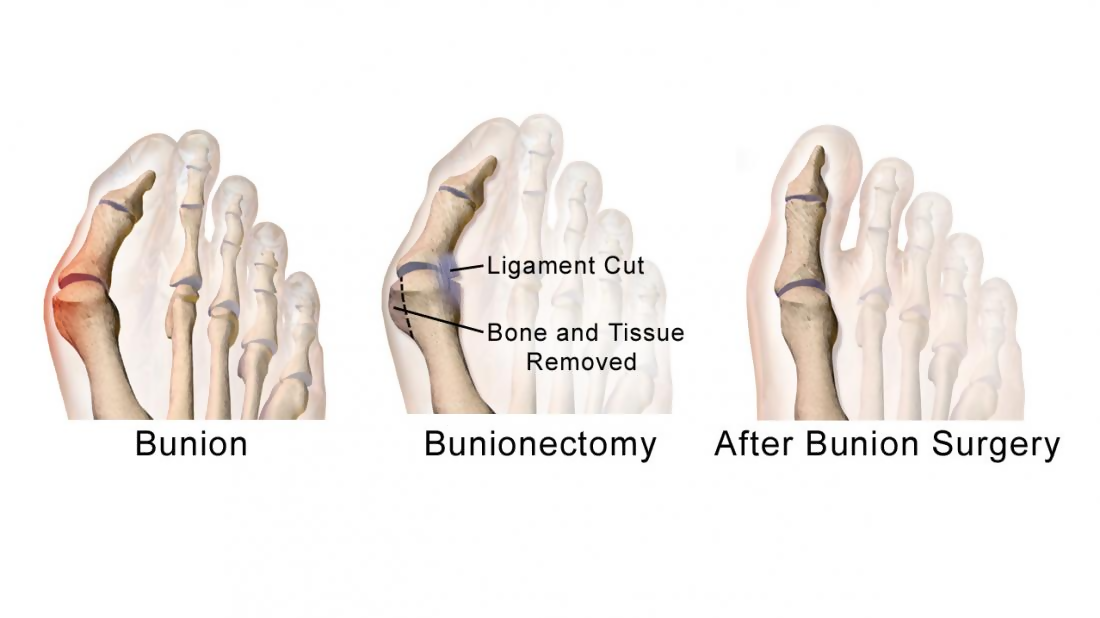
A bunion is a bump that forms at the base of the big toe. Bunions form when the big toe pushes against the next toe, which forces the big toe joint to get bigger and stick out.  As a result, the skin over the bunion may start to appear red and it may feel sore.

There are risk factors that can increase your chances of developing bunions. People who wear high heels or ill-fitting shoes are more likely to develop them, in addition to those who have a genetic history of bunions or have rheumatoid arthritis.

The most obvious way to tell if you have a bunion is to look for the big toe pushing up against the toe next to it. Bunions produce a large protrusion at the base of the big toe and may or may not cause pain. Other symptoms are redness, swelling, and restricted movement of the big toe if you have arthritis.

Nonsurgical methods are frequently used to treat bunions that aren’t severe. Some methods of nonsurgical treatment are orthotics, icing and resting the foot, taping the foot, and pain medication. Surgery is usually only required in extreme cases. However, if surgery is needed, some procedures may involve removing the swollen tissue from around the big toe joint, straightening the big toe by removing part of the bone, or joining the bones of your affected joint permanently.

Your podiatrist will diagnose your bunion by doing a thorough examination of your foot. He or she may also conduct an x-ray to determine the cause of the bunion and its severity.

6May

Are There Benefits from Working on Your Feet?

by admin

Research has indicated there are benefits from working while standing or moving about for the majority of the day. As each step is taken, circulation may improve, and blood glucose levels are positively affected. Additionally, standing and walking can contribute to cardiovascular health. It is helpful to rest the feet periodically during the day, and this may help to prevent possible foot pain. The feet can be properly stretched as the toes are pointed and flexed, and this is easily accomplished as the feet are resting. People in the nursing profession often have long hours, and their jobs have the potential to be physically demanding. It is recommended that shoes are alternated twice per year, and adding insoles may aid in providing maximum comfort. Please consult with a podiatrist if you would like additional information about proper foot care during the work day.

While working on the feet, it is important to take the proper care of them. For more information about working on your feet, contact Dr.Eji Shobowale from DeNiel Foot & Ankle Center. Our doctor will treat your foot and ankle needs.

Working on Your Feet

Standing on your feet for long periods of time can cause stress and pain in your feet. Your whole body may experience change in terms of posture, back pain, bunions, callouses and or plantar warts. There are ways to avoid these conditions with proper foot care, smart choices and correct posture.

Positive Changes

Negative heeled shoe – Choosing this shoe type places the heel slightly lower than the ball of the foot. These are great for overall foot health. Find shoes that fit you correctly.

Go barefoot – Our feet were not designed to be enclosed for all hours of the day. Try to periodically expose your feet to air.

Eliminate Pain

Foot Exercises – Performing simple exercises, incorporating yoga and doing stretches are beneficial. This will allow increased blood flow to the area and muscles of the foot.

Achilles tendon – Stretching the foot out flat on the floor will relax the calf muscles and tendon. These exercises can be performed almost anywhere. Make sure you add these exercises to your daily regimen.

With a little bit of this information and knowing more about foot health, you will notice changes. Foot stretches and proper footwear will help with pain and prevent further issues.

If you have any questions please feel free to contact our office located in Cypress, TX. We offer the newest diagnostic and treatment technologies for all your foot and ankle needs.

Read more about How to Handle a Long Work Day on Your Feet

6May

How to Handle a Long Work Day on Your Feet

by admin

In 2014, the American Podiatric Medical Association surveyed 1,000 American adults and found that half of all respondents lived with foot pain. Fortunately, there are ways to avoid foot problems such as following a daily footcare routine and wearing proper footwear at work.

If you have a job that requires you to be on your feet, it is best that you do not wear flat sole shoes. Your heel should be slightly elevated (less than 2 inches, but at least ¼-inch) if you are going to be standing for a prolonged period. You should also make sure that the shoes you wear are not too small. Tight shoes may cut off circulation to your feet, which will result in pain and blisters. It is always best to purchase fitted shoes later in the day, because the feet tend to swell as the day progresses. It may also be helpful to buy shoes a half size larger if you plan on wearing custom orthotics or arch supports.

Your muscles may become stiff when you are constantly standing up. It is important to take breaks every hour to stretch and relax. One tip is to perform calf raises, because this exercise will help improve your circulation. To perform this stretch, you first need to stand on the edge of a step with your abdominal muscles pulled inward. You then need to grip the step with the balls of your feet with your heels hanging over the edge. Next, try to raise your heels above the step by a few inches while standing on your tiptoes; hold this pose for a second. You should then lower your heels back even to the platform. These calf raises should be done ten times for full effectiveness.

You should also take care of your feet while you are at home. One of the best ways to prepare your feet for a long day of work is to soak them in ice water. Doing so for 20 minutes will help fight the swelling and inflammation that results from being on your feet at work.

Nevertheless, if you are experiencing pain in your feet, you should seek help from your podiatrist. Your doctor will help treat any ailments you may have in addition to helping you prevent any other ailments from developing in the future.

29Apr

Can Falling Be Prevented?

by admin

Falling is common among older individuals, and can cause serious injuries. It is important to learn why falls occur, and it may be wise to implement methods that help to prevent falling. These include practicing a regular exercise routine which aids in maintaining strength and balance, and wearing shoes that fit correctly. Additionally, it is beneficial to keep your living environment free of clutter and installing handrails in the shower area to prevent unwanted slips from occurring. Many patients find it advantageous to have frequent eye examinations performed, and this may enable them to see items on the floor that can cause tripping. If you would like information about how falling can affect the feet, it is advised that you speak to a podiatrist.

Preventing falls among the elderly is very important. If you are older and have fallen or fear that you are prone to falling, consult with Dr.Eji Shobowale from DeNiel Foot & Ankle Center. Our doctor will assess your condition and provide you with quality advice and care.

Every 11 seconds, an elderly American is being treated in an emergency room for a fall related injury. Falls are the leading cause of head and hip injuries for those 65 and older. Due to decreases in strength, balance, senses, and lack of awareness, elderly persons are very susceptible to falling. Thankfully, there are a number of things older persons can do to prevent falls.

How to Prevent Falls

Some effective methods that older persons can do to prevent falls include:

  • Enrolling in strength and balance exercise program to increase balance and strength
  • Periodically having your sight and hearing checked
  • Discuss any medications you have with a doctor to see if it increases the risk of falling
  • Clearing the house of falling hazards and installing devices like grab bars and railings
  • Utilizing a walker or cane
  • Wearing shoes that provide good support and cushioning
  • Talking to family members about falling and increasing awareness

Falling can be a traumatic and embarrassing experience for elderly persons; this can make them less willing to leave the house, and less willing to talk to someone about their fears of falling. Doing such things, however, will increase the likelihood of tripping or losing one’s balance. Knowing the causes of falling and how to prevent them is the best way to mitigate the risk of serious injury.

If you have any questions, please feel free to contact our office located in Cypress, TX. We offer the newest diagnostic and treatment technologies for all your foot care needs.

Read more about Falls Prevention

  • 1
  • …
  • 83
  • 84
  • 85
  • 86
  • 87
  • …
  • 101

Search Our Blog Articles

Date Posts

May 2026
M T W T F S S
 123
45678910
11121314151617
18192021222324
25262728293031
« Apr    

Tags

ankle sprain (18) bunion (22) bunion doctor (15) bunion surgery (11) cause of neuropathy (13) corn on the bottom of foot (10) corns on feet (15) cracked heel (10) custom orthotics (14) Deniel Foot & Ankle Center (17) diabetes and feet (18) diabetic foot (19) diabetic foot care (26) diabetic foot ulcer (13) diabetic foot ulcers (12) flat feet (13) Foot and Ankle Sprain Specialist in Houston TX (11) foot care (10) foot exercises for foot pain (13) foot fungus (21) foot fungus and athlete's foot (13) foot health (13) foot heel pain causes (12) foot pain (77) foot pain houston (24) foot pain relief (21) fungal toenails (15) healing a sprained ankle (10) heel pain (44) heel pain relief (32) houston foot doctor (18) houston podiatrist (32) ingrown toenail (13) nail fungus (10) peripheral neuropathy (21) Plantar fasciitis (53) plantar fasciitis treatment (14) running injuries (12) sports injury treatment houston (13) sprained ankle treatment (10) sprain treatment (13) swollen feet during pregnancy (11) tingling foot pain (16) toenail fungus (36) toenail fungus treatment (25)
DeNiel Foot & Ankle Center Logo

abmp acfas temple Winona

Connect With Us

Our Contacts

  • 15003 FM-529 Road Suite A
    Houston, TX 77095 Get directions on the map
  • Phone: (832) 415-1790, Fax: (281) 619-7998
  • info@denielfootandanklecenter.com
Copyright © DeNiel Foot & Ankle Center    |   
Privacy Policy    |   
Sitemap
For emergency cases      (832) 415-1790